
Summary
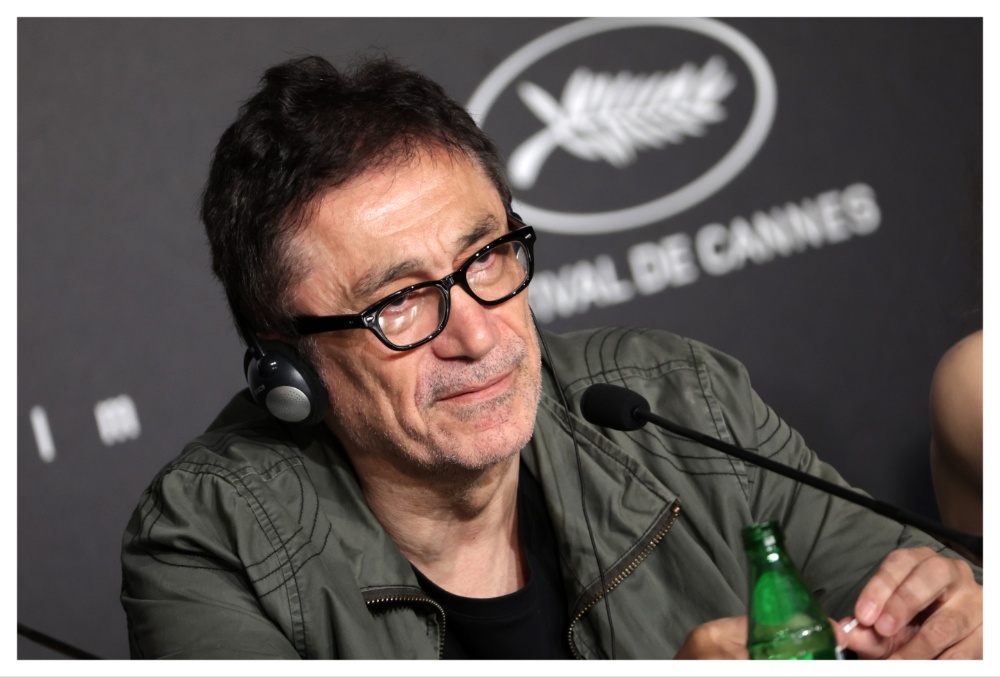
Recent reports have ignited a significant backlash regarding acclaimed Turkish director Nuri Bilge Ceylan’s plans to attend the Iranian Film Festival, an event organized by the Iranian government. Ceylan, known for his introspective and often poignant films, has sparked debates about the intersection of art and politics, igniting a fervent discussion within both Turkish and international film communities, including his noteworthy achievements at the Cannes Film Festival.
The Background and Context of Ceylan’s Decision
To understand the gravity of the situation, it is essential to delve into the background of both Ceylan and the festival. Nuri Bilge Ceylan is a name synonymous with cinematic artistry, having received numerous accolades, including the prestigious Palme d’Or at the Cannes Film Festival. His films frequently explore themes of identity, isolation, and the human condition, often set against the backdrop of contemporary Turkish society, much like the works of other celebrated filmmakers who navigate complex cultural narratives.
The Iranian Film Festival has garnered attention for its governmental ties, and many view it as a platform for promoting the Iranian regime’s interests. Critics argue that Ceylan’s participation may inadvertently lend credibility to a government often criticized for its human rights record and censorship policies. According to the World Report 2023 by Human Rights Watch, Iran has been scrutinized for its treatment of political prisoners and restrictions on free speech, which adds a layer of complexity to Ceylan’s decision.
Comparative Analysis of Artistic Integrity and Political Participation
This incident raises important questions regarding the relationship between art and politics. Historically, artists have grappled with the decision to engage with political regimes, balancing their personal beliefs against potential opportunities for exposure and influence. Ceylan’s participation can be compared to other filmmakers who have faced similar dilemmas.
For instance, Chinese director Zhang Yimou has often been criticized for cooperating with the Chinese government despite its controversial policies. Meanwhile, others, such as Iranian filmmaker Jafar Panahi, have become symbols of resistance against authoritarian regimes. Panahi, who has faced several arrests and a filmmaking ban in Iran, utilizes his creative work to criticize and expose the oppressive nature of the regime from within.

Similarly, some filmmakers refuse to attend events under oppressive regimes, highlighting their commitment to principled stands against censorship and human rights abuses. For example, the Cannes Film Festival in 2020 saw withdrawals from filmmakers who opposed certain political associations, demonstrating how individual decisions can reflect broader industry ethics.
This duality reflects broader tensions in the film industry about responsibilities towards the audience and society. Should artists refuse participation as a form of protest, or can their presence serve as a subtle form of diplomacy? It is a complex issue that draws varied opinions depending on one’s perspective of moral obligations versus artistic freedoms.
Additional Perspectives on Ceylan’s Choice
Additionally, Ceylan’s fans and critics alike have voiced varying opinions. Supporters argue that his participation might open doors for cultural exchange and provide a platform to amplify critical voices within Iran. They suggest that his presence can facilitate indirect challenges to censorship by displaying films that push boundaries.
On the other hand, detractors worry about the potential legitimization of oppressive regimes. They argue that any form of acceptance or engagement might be misinterpreted as endorsement, thus dampening efforts made by political dissidents and human rights activists. As the case of Nuri Bilge Ceylan unfolds, the discourse surrounding cultural diplomacy and political ethics continues to intensify.
Ultimately, Ceylan’s looming participation in the Iranian Film Festival underscores the ongoing debate about whether artists should engage with politically charged venues. Films, as cultural artifacts, often transcend borders, raising universal questions and initiating important conversations about censorship and freedom of expression, as observed in discussions around the recent passing of actors who faced such dilemmas.