
Emergency services were alerted shortly after the collapse, but it took responders nearly three hours to reach the woman due to the remote location. The isolation of the area posed significant challenges for rescue teams, who had to navigate difficult terrain to access the site. During this time, the woman remained trapped, raising concerns about her safety and well-being. This incident serves as a critical reminder of the importance of emergency services in remote areas.
This incident highlights ongoing issues related to infrastructure safety in remote areas of Australia, where access to reliable facilities is often limited. The portable toilet’s failure has sparked discussions about the need for improved safety regulations and inspection protocols for such temporary structures. Local authorities are now reviewing the circumstances surrounding the collapse to prevent similar occurrences in the future.
Fortunately, the woman was eventually rescued and is reported to be in stable condition, though understandably shaken by the ordeal. This event serves as a reminder of the potential dangers associated with inadequate facilities in isolated regions, emphasizing the importance of ensuring safety standards are met in all public amenities.
Understanding the conditions of remote outback toilets
The Australian outback is characterized by its vast, rugged landscapes and sparse population, which presents unique challenges for infrastructure and sanitation. In many remote areas, access to modern amenities is limited, and traditional plumbing systems are often impractical. As a result, basic facilities such as toilets must be designed to withstand harsh environmental conditions while providing essential services to the few residents and visitors in these regions. This issue is becoming increasingly important as discussions around infrastructure safety continue.
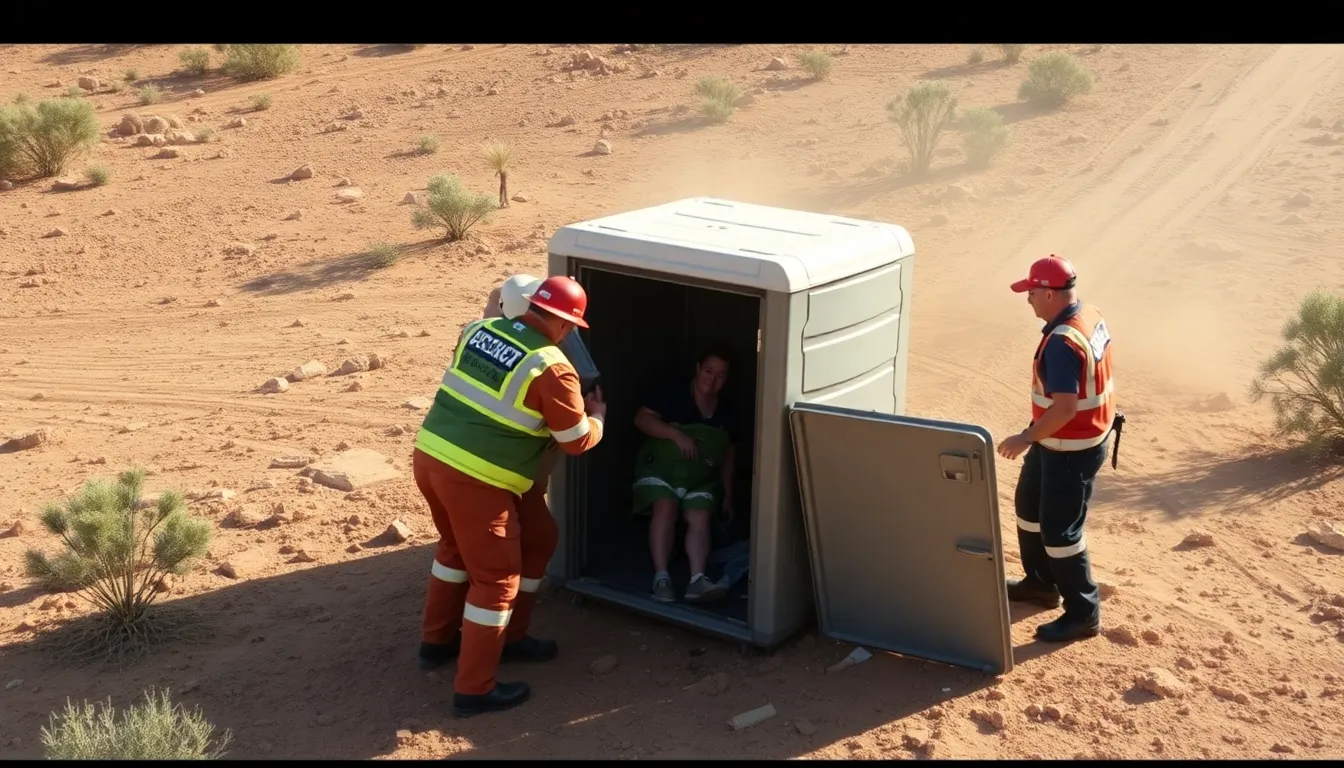
Historically, the development of sanitation facilities in the outback has lagged behind urban areas due to economic constraints and the low population density. Many outback communities rely on pit toilets or composting toilets, which can be less stable than their urban counterparts. The maintenance of these facilities is often neglected due to the remoteness of the locations and the lack of available resources, leading to safety hazards that can endanger users.
In addition to infrastructural challenges, social factors also play a significant role. The outback is home to Indigenous communities, whose traditional practices and lifestyles often clash with modern sanitation solutions. This cultural context can complicate the implementation of effective waste management systems, as there is a need to respect local customs while ensuring public health and safety.
Key incidents and regulations
Several incidents in the past have highlighted the dangers associated with inadequate sanitation facilities in remote areas. For example, reports of collapses and accidents in outback toilets have prompted discussions about regulatory oversight and the need for improved safety standards. While some regions have begun to implement stricter regulations, the enforcement remains inconsistent, and many facilities still operate without adequate safety measures. This ongoing debate underscores the necessity for better infrastructure management in these communities.
Examining safety regulations for public toilets in rural areas
The incident involving a woman trapped in a collapsed outback toilet highlights significant concerns regarding the safety and maintenance of public facilities in rural regions. Various stakeholders are involved, including local government authorities, health and safety organizations, and the affected individuals. Each party has distinct interests that influence their responses to such incidents.
Local government authorities are primarily responsible for maintaining public infrastructure, including toilets. Their interest lies in ensuring public safety while managing limited budgets. The collapse of a toilet not only poses a risk to individuals but also raises questions about the adequacy of inspections and maintenance protocols. This incident may prompt local governments to reevaluate their safety regulations and funding allocations for rural infrastructure.
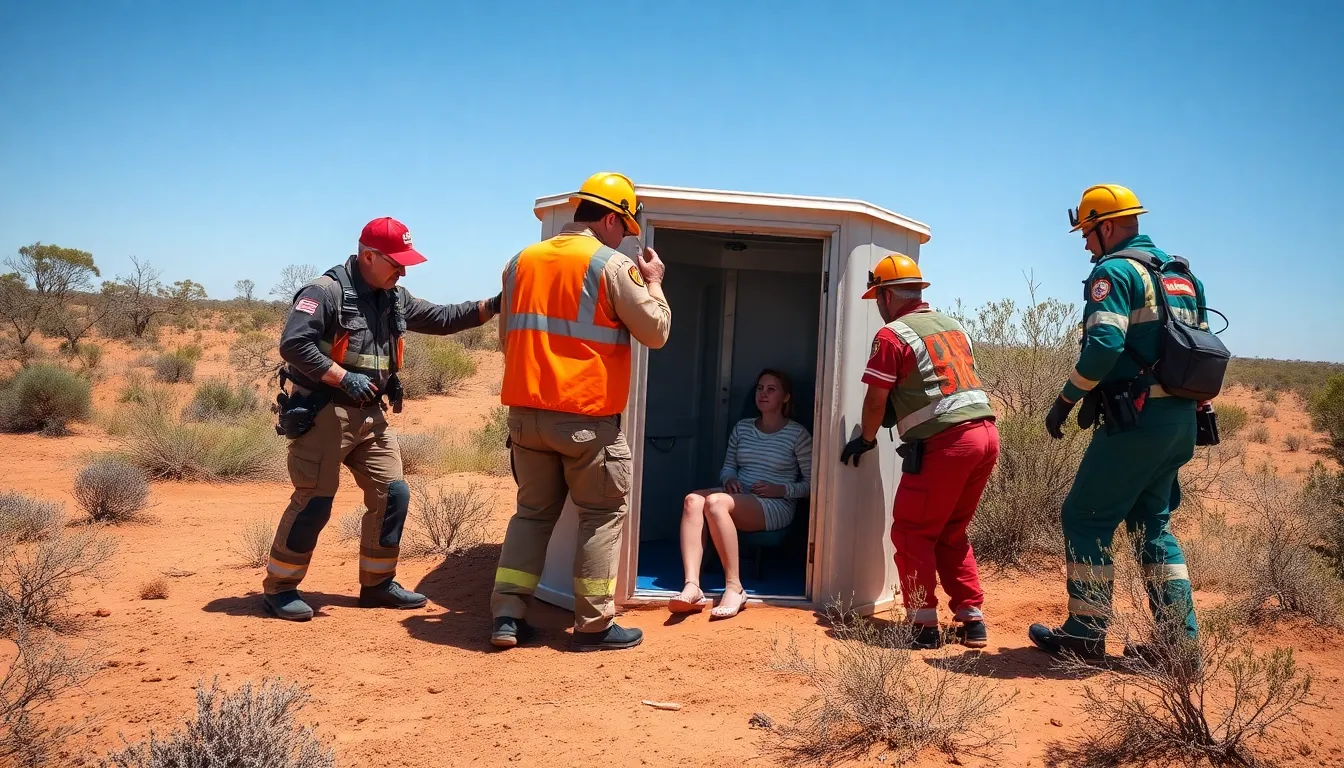
Health and safety organizations advocate for stringent regulations to protect public health. They may argue that the current standards for public toilets in rural areas are insufficient and call for more rigorous enforcement of safety measures. This could lead to conflicts with local governments, which may face financial constraints that limit their ability to implement recommended changes.
Moreover, the incident brings to light the economic implications of inadequate infrastructure. Rural areas often struggle to attract investment and tourism due to perceptions of poor safety standards. As such, local businesses and community leaders may support initiatives aimed at improving public facilities to enhance their region’s appeal.
- Increased scrutiny of safety regulations: The incident may lead to calls for more comprehensive safety inspections of public toilets.
- Budget constraints: Local governments may face challenges in allocating funds for necessary repairs and upgrades.
- Public health concerns: Advocacy groups may push for improved sanitation standards to prevent similar incidents.
- Economic impact: The perception of safety in rural areas can affect tourism and local business viability.
- Community response: Residents may mobilize to demand better infrastructure and safety measures from their local authorities.
The incident’s impact on local communities and tourism
The recent incident of a woman trapped in a collapsed outback toilet has raised significant concerns for local communities and the tourism industry. This event not only highlights the vulnerabilities of remote facilities but also brings to light the challenges faced by residents and travelers in these regions. The immediate impact is felt by those who rely on such amenities, as well as by local businesses that cater to tourists.
In terms of affected groups, local residents, tourists, and businesses in the hospitality sector are at the forefront. The incident may deter potential visitors from exploring the outback, impacting local economies that depend heavily on tourism. Additionally, the local government may face pressure to improve infrastructure and safety measures in public facilities, which could lead to increased spending and resource allocation.
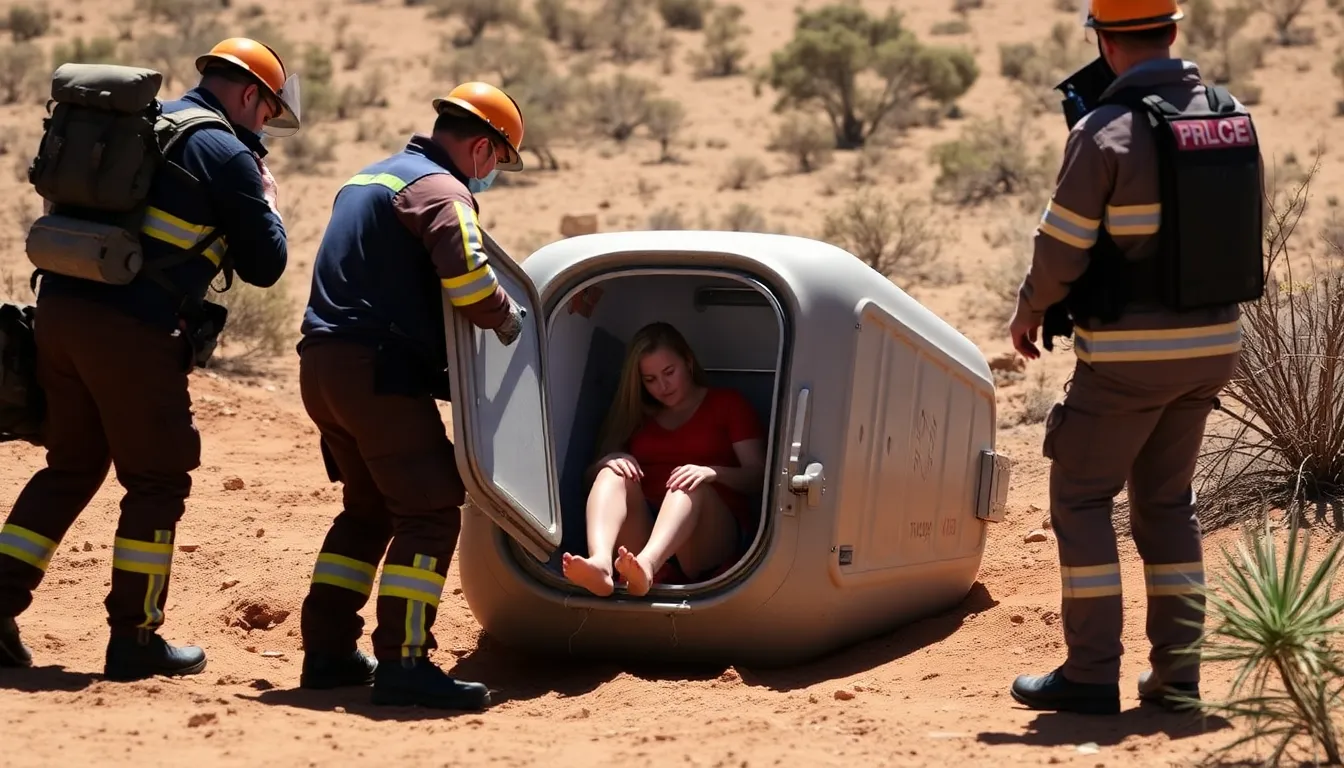
Short-term impacts include heightened anxiety among travelers regarding the safety of public restrooms, potentially leading to a decline in tourist numbers. Local businesses may experience a drop in patronage as visitors reconsider their travel plans. Moreover, this incident could result in a temporary increase in emergency service calls as people seek alternative solutions for sanitation.
- Infrastructure concerns: Increased scrutiny on the condition of public amenities.
- Tourism decline: Potential decrease in visitor numbers due to safety fears.
- Local economy: Immediate financial impact on businesses reliant on tourism.
In the mid-term, there may be opportunities for local governments and businesses to invest in improved infrastructure, creating safer and more reliable facilities. This could enhance the overall travel experience and restore confidence among potential tourists. Additionally, the incident may spark discussions around better regulations and standards for public amenities, leading to long-term policy changes that benefit the community and its visitors.
A: The woman was using a public toilet in the outback when it unexpectedly collapsed, trapping her inside for three hours. A: There are minimal regulations governing the construction and maintenance of public toilets in remote areas, which raises safety concerns. A: Yes, emergency services were alerted and successfully rescued her after three hours of being trapped. A: Prolonged exposure to unsanitary conditions can lead to serious health risks, including infections and psychological trauma. A: Improved safety regulations and regular maintenance checks are essential to prevent similar incidents from occurring.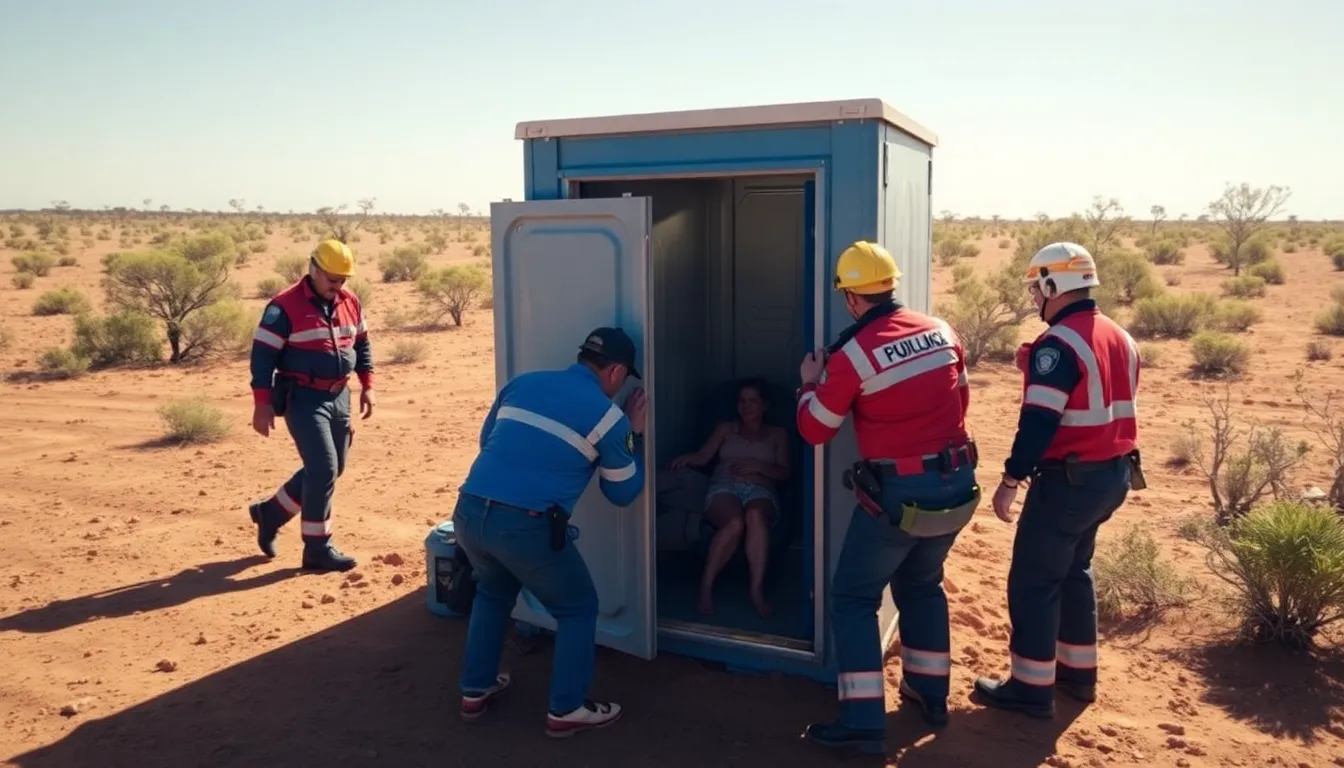
Frequently asked questions about the incident
Key takeaways and future implications
The incident involving a woman trapped in a collapsed outback toilet highlights critical issues surrounding infrastructure safety in remote areas. It underscores the need for regular maintenance and inspection of public facilities to prevent similar occurrences. This situation not only raises awareness about the importance of safety in isolated regions but also calls for improved communication and emergency response strategies in such environments.
As communities and local governments assess their infrastructure, they must consider the implications of this incident for future planning and resource allocation. Ensuring that public restrooms are safe and accessible can significantly enhance the well-being of residents and travelers alike.
- Increased emphasis on regular inspections and maintenance of public facilities in remote areas.
- Development of more robust emergency response protocols for isolated locations.
- Heightened awareness of the potential risks associated with aging infrastructure.
- Encouragement of community engagement in infrastructure safety discussions.
- Consideration of innovative designs and materials to improve the durability of public restrooms.