
Key figures in the IRGC, such as Major General Hossein Salami and Brigadier General Esmail Qaani, have taken on prominent roles, shaping Iran’s strategic direction. In August 2023, Salami emphasized the importance of military readiness in response to perceived threats from the United States and Israel, signaling a more aggressive posture. This rhetoric aligns with the IRGC’s longstanding commitment to Iran’s regional ambitions, particularly in Syria and Iraq, as detailed in the article on related issues.
The domestic implications of this military dominance are profound. The IRGC has been instrumental in suppressing dissent, particularly following the protests that erupted in 2022 over women’s rights and economic grievances. Reports indicate that the military has been involved in crackdowns on civil unrest, further entrenching its authority and complicating the prospects for reform within the country.
Internationally, the IRGC’s expanded role poses challenges for diplomatic efforts, especially regarding Iran’s nuclear program. The ongoing negotiations with world powers have been complicated by the military’s influence, as hardline factions within the IRGC oppose any concessions. This dynamic raises concerns about the stability of the region and the potential for increased conflict as military leaders prioritize strategic interests over diplomatic solutions.
Historical background of military influence in Iranian politics
The intertwining of military and political power in Iran can be traced back to the early 20th century, notably during the Constitutional Revolution of 1905-1911. This period marked a significant shift as various factions, including military leaders, sought to challenge the absolute power of the monarchy. The establishment of a constitutional framework laid the groundwork for future military involvement in governance, highlighting the military’s role as a significant political player.
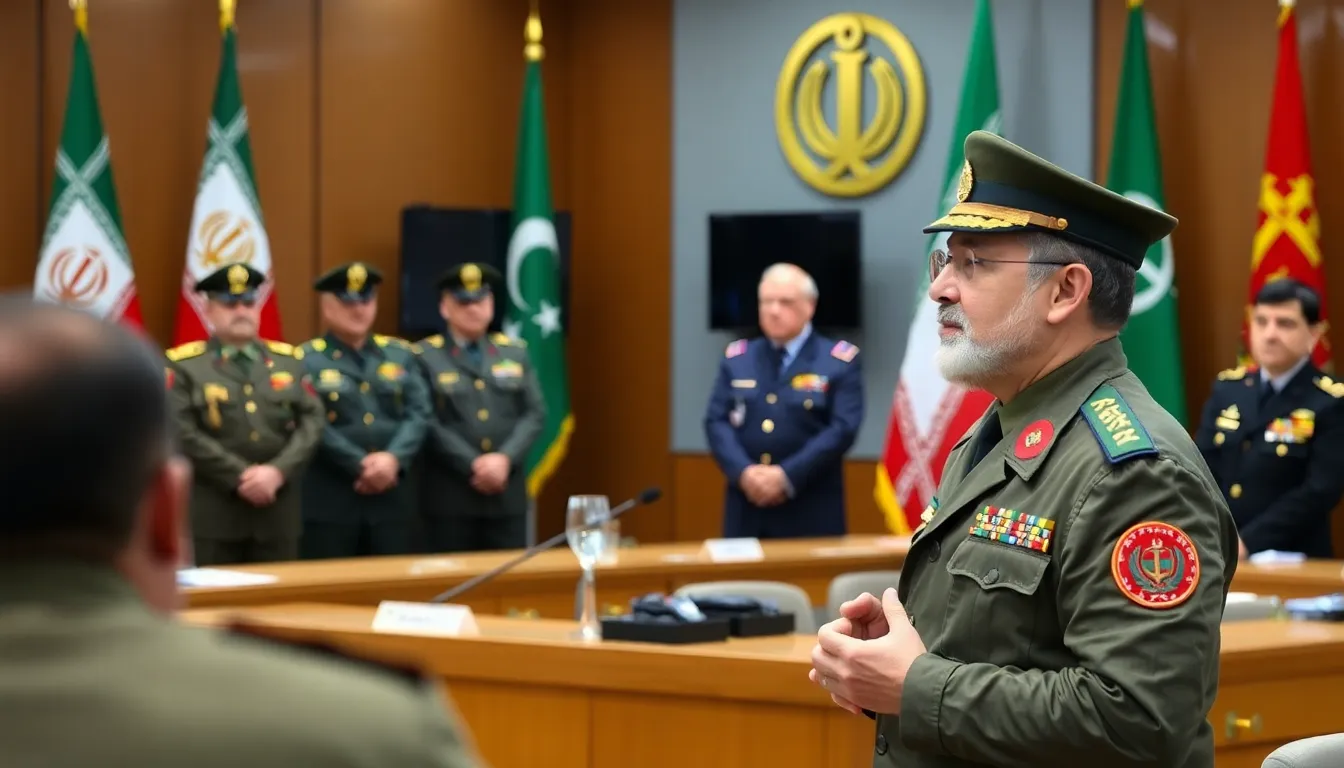
Following the 1979 Islamic Revolution, the role of the military in Iranian politics evolved dramatically. The revolution led to the overthrow of the Pahlavi monarchy and the establishment of the Islamic Republic under Ayatollah Khomeini. The new regime sought to consolidate power and eliminate opposition, which included the formation of the Islamic Revolutionary Guard Corps (IRGC). The IRGC was tasked with protecting the revolution and has since become a powerful institution, influencing both domestic policy and foreign affairs, echoing themes discussed in the historical context.
Throughout the 1980s and 1990s, the IRGC’s influence continued to grow, particularly during the Iran-Iraq War (1980-1988). The war not only solidified the military’s role in national defense but also allowed it to gain significant economic power through the control of various industries. This economic influence further entrenched the military’s position within the political landscape, as it became a key player in both governance and economic management.
Key Milestones in Military Political Power
Several key milestones have marked the military’s increasing political power in Iran. In 2005, the election of Mahmoud Ahmadinejad, who had close ties to the IRGC, signaled a shift toward more militarized governance. This was followed by the 2009 presidential election, which saw widespread protests against alleged electoral fraud, further showcasing the military’s role in maintaining order and suppressing dissent. More recently, the assassination of Qassem Soleimani, a high-ranking IRGC commander, in 2020 highlighted the military’s significant influence not only in Iran but also in regional geopolitics.
Key stakeholders and their motivations in Iran’s military hierarchy
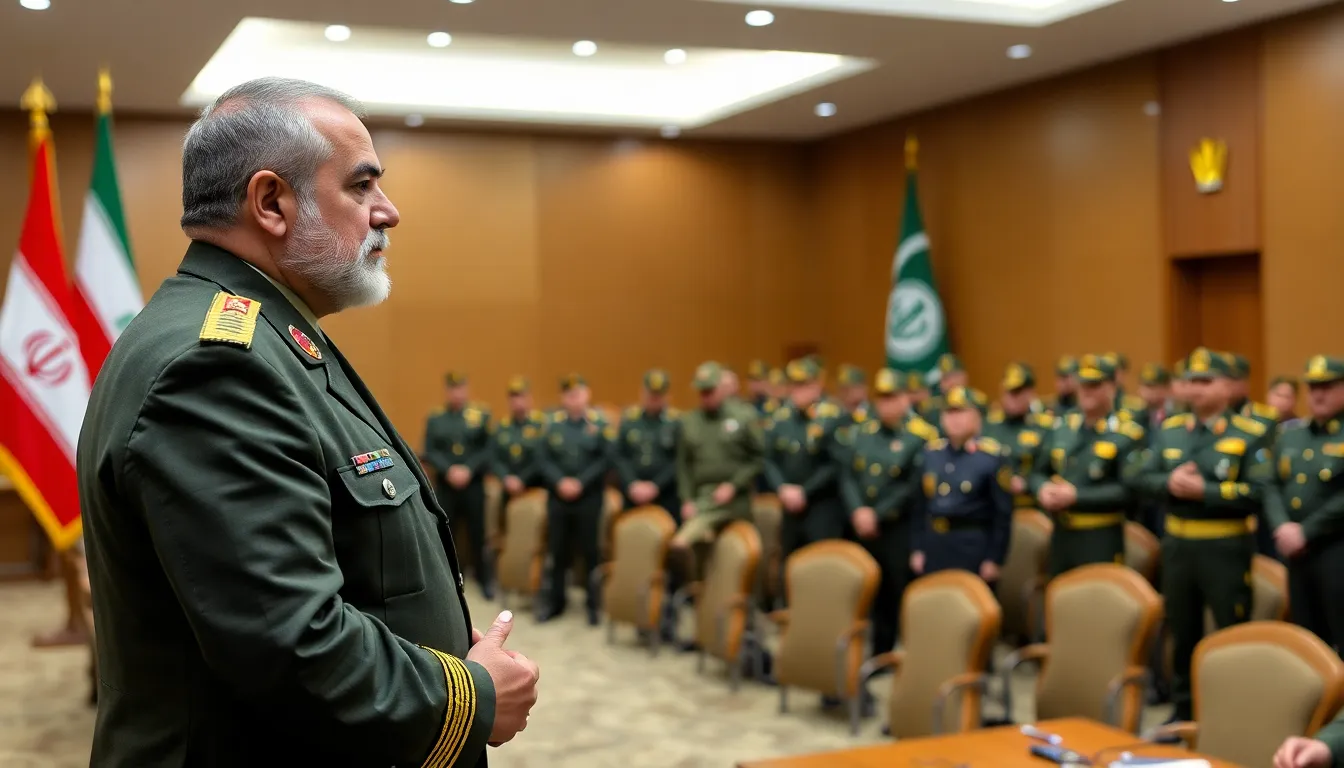
Iran’s military hierarchy is characterized by a complex interplay of various stakeholders, each with distinct motivations and interests. At the forefront are the senior military leaders, particularly the Islamic Revolutionary Guard Corps (IRGC), which holds significant influence over both military and political affairs in the country. The IRGC’s primary motivation is to maintain the regime’s stability and protect Iran’s ideological framework, often positioning itself against perceived external threats, similar to dynamics observed in corporate governance scenarios.
Another key actor is the regular military, known as the Artesh, which has its own strategic interests that sometimes conflict with those of the IRGC. The Artesh is focused on conventional military capabilities and national defense, often advocating for a more traditional military role within the state’s security architecture. This can lead to tensions between the two branches, particularly regarding resource allocation and strategic priorities.
Internationally, the Iranian government faces pressure from various stakeholders, including the United States and its allies, who are concerned about Iran’s nuclear ambitions and regional military activities. These external actors often impose sanctions and diplomatic measures aimed at curbing Iran’s influence, which in turn affects internal dynamics and the decision-making processes within Iran’s military leadership.
- IRGC’s Influence: The IRGC controls significant economic resources and has a vested interest in maintaining its power and influence over domestic and foreign policy.
- Artesh vs. IRGC: Tensions between the Artesh and IRGC can lead to competition for funding and military resources, impacting overall military effectiveness.
- International Sanctions: Ongoing sanctions from the U.S. and allies create economic pressures that challenge the military’s operational capabilities.
- Regional Alliances: Iran seeks to strengthen alliances with non-state actors in the region, which complicates its relationships with neighboring countries and influences military strategy.
- Domestic Stability: The military’s role in maintaining internal security is crucial, particularly in times of civil unrest or political challenges.
The effects of military leadership on Iranian society and the economy
The rise of military leadership in Iran has far-reaching implications for various segments of society, including the general populace, businesses, and regional dynamics. As the military exerts greater influence over political and economic decisions, several groups find themselves directly impacted, from ordinary citizens to industrial sectors.
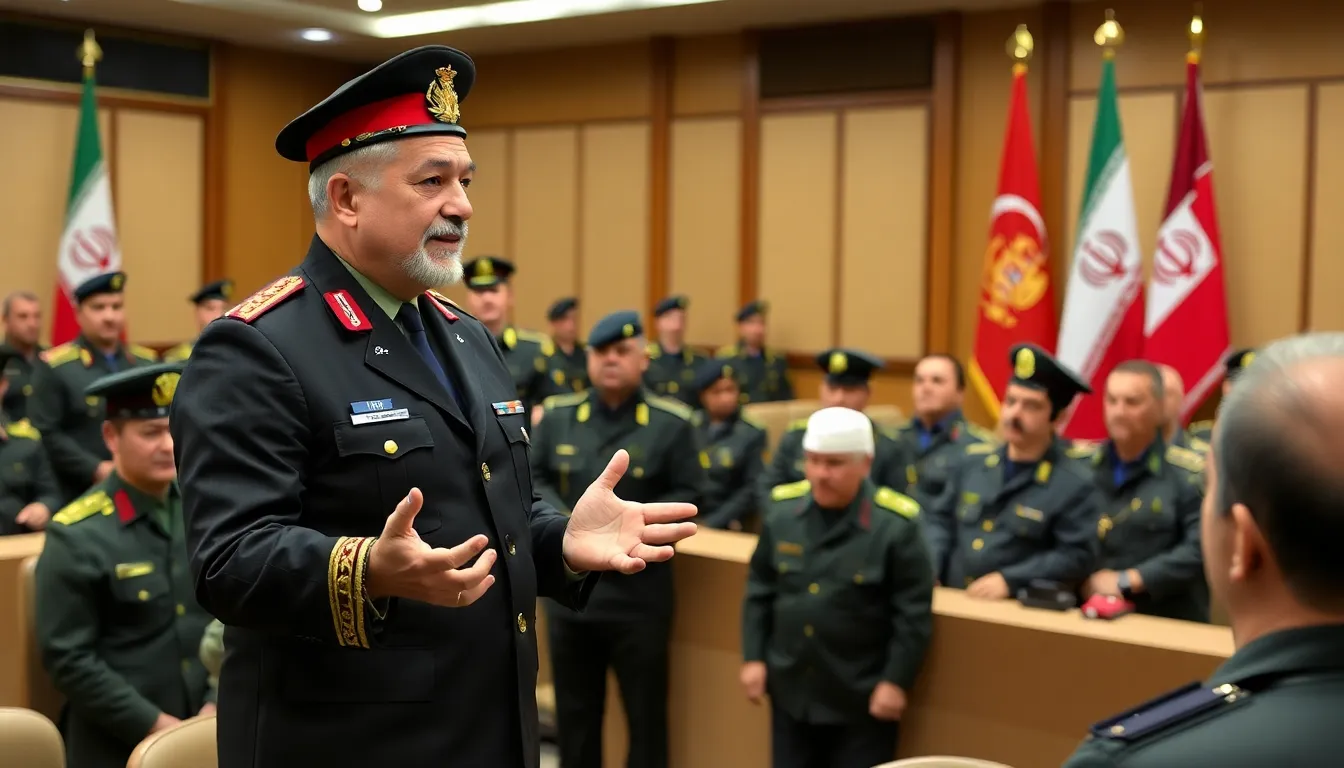
In the short term, the Iranian populace may experience increased repression and a tightening of civil liberties. The military’s focus on security and control can lead to heightened surveillance and crackdowns on dissent, affecting freedom of expression and assembly. This environment may stifle innovation and entrepreneurship, as individuals and businesses hesitate to engage in activities that could be deemed politically sensitive.
Industries such as oil and gas, which are vital to Iran’s economy, may also feel the effects of military leadership. The prioritization of military interests over economic reforms can hinder foreign investment and partnerships, leading to stagnation in these key sectors. Conversely, there may be opportunities for domestic industries that align closely with military objectives, such as defense manufacturing and technology.
- Short-term risks: Increased repression and limited civil liberties.
- Mid-term risks: Economic stagnation in key sectors, particularly oil and gas.
- Opportunities: Growth in defense-related industries and domestic production.
Regionally, neighboring countries may also be affected by Iran’s military leadership. The potential for increased military aggression could destabilize relations, prompting neighboring states to bolster their own defenses or seek new alliances. This could lead to an arms race in the region, impacting trade and diplomatic relations.
In summary, the military’s grip on Iran’s leadership presents a complex landscape of risks and opportunities. While the immediate effects may be felt in terms of personal freedoms and economic performance, the broader implications for regional stability and international relations remain to be seen.
A: Military leaders in Iran hold significant power and influence, often shaping key policies and decisions. They are integral to the political structure, particularly in security and foreign affairs. A: Military generals play a crucial role in Iran’s foreign relations, often advocating for a hardline stance. Their influence can lead to increased tensions with other nations, especially in the Middle East. A: Yes, several prominent military leaders, such as the Chief of Staff of the Armed Forces, hold key positions that impact both domestic and international policies. A: Key events, such as the 1979 Iranian Revolution and the Iran-Iraq War, have significantly shaped the military’s influence in politics, establishing a precedent for their involvement in governance. A: Public opinion on military leaders varies, with some viewing them as protectors of national security, while others criticize their involvement in politics.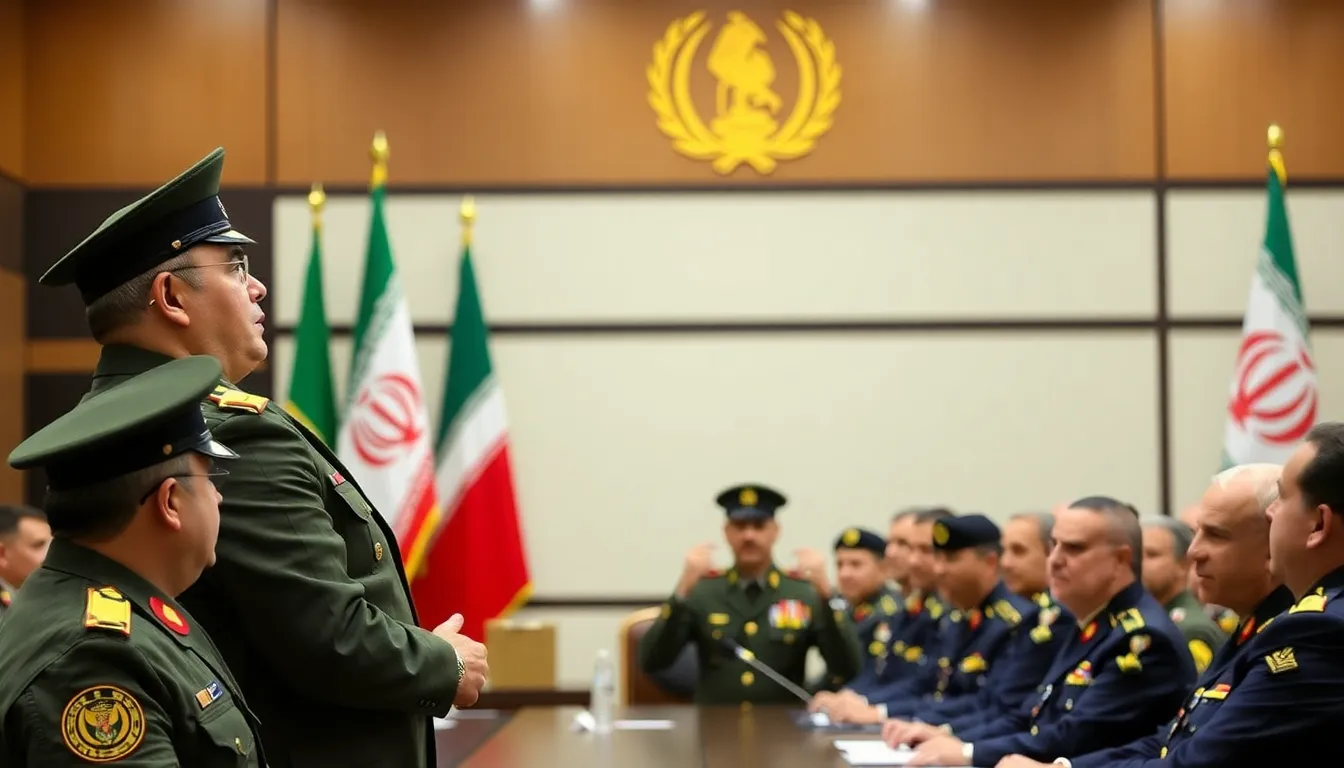
Frequently asked questions about military leaders in Iran
Future outlook on the role of military generals in Iran
The increasing influence of military generals in Iran’s political landscape signifies a shift towards a more militarized governance model. This trend raises critical questions about the future of civil-military relations, the potential for increased internal repression, and the implications for Iran’s foreign policy. As the generals consolidate their power, their decisions will likely shape not only domestic policies but also Iran’s interactions on the global stage.
Observing the dynamics between the military and political spheres will be crucial for understanding Iran’s trajectory. The balance of power within the ruling elite may affect the country’s approach to ongoing regional conflicts, nuclear negotiations, and relations with major powers. Stakeholders both within and outside Iran should remain vigilant to the evolving strategies employed by these military leaders.
- Monitor shifts in military leadership and their potential impact on Iran’s foreign policy, particularly regarding relations with the West and regional rivals.
- Watch for changes in domestic policy that may arise from military influence, especially concerning civil liberties and political dissent.
- Consider the implications of military power consolidation on Iran’s economic policies and resource allocation.
- Assess the potential for increased military involvement in non-military sectors as a means to stabilize governance.
- Evaluate how the international community responds to the growing role of military figures in Iran’s political sphere, especially in terms of sanctions and diplomatic engagement.