
The discussions surfaced in late 2020, following the UK’s exit from the European Union, which allowed for a reevaluation of trade agreements and food import regulations. The UK government has indicated that aligning with US agricultural practices could enhance trade relations, particularly in the context of post-Brexit negotiations. For more on this topic, see the article on Hollywood’s trade discussions.
Chlorinated chicken, which is treated with chlorine to eliminate pathogens, is banned in the EU due to concerns over food safety and animal welfare. As the UK seeks to establish new trade deals, the potential acceptance of such products raises questions about the country’s commitment to maintaining high food safety standards.
Proponents argue that importing US chicken could lower prices and increase variety for consumers, while opponents warn it could undermine local farmers and lead to a decline in food quality. As the UK government continues to assess these options, the outcome could have lasting implications for both domestic agriculture and public health.
Understanding the background of chlorinated chicken imports
The debate over chlorinated chicken imports into the UK has its roots in the broader context of trade relations between the United States and the United Kingdom. Following Brexit, the UK sought to establish new trade agreements independently of the European Union, which had strict regulations regarding food safety and animal welfare. This shift prompted discussions about aligning more closely with US agricultural practices, which include the use of chlorine washes on poultry to eliminate pathogens, as highlighted in the exploration of cheaper gas options on Native American lands.
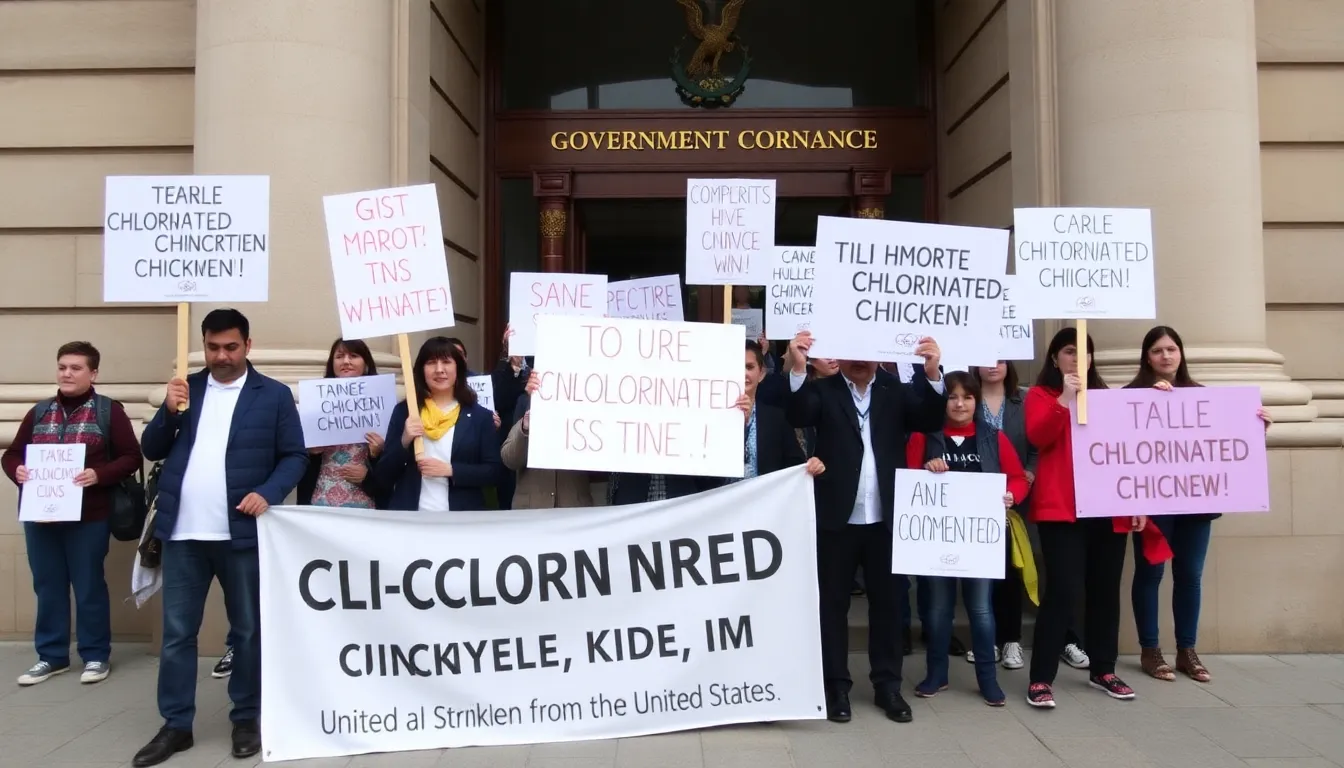
Historically, the use of chlorine in poultry processing has been a contentious issue. The US has long defended the practice as a necessary measure to ensure food safety, while the EU has banned it due to concerns over food quality and animal welfare. This divergence in standards reflects deeper differences in regulatory philosophies between the two regions, with the EU prioritizing precautionary principles and the US emphasizing market efficiency.
In recent years, the UK government has faced increasing pressure to negotiate favorable trade terms with the US, especially in light of the potential benefits of a post-Brexit trade deal. Internal documents obtained through Freedom of Information requests reveal that UK officials explored various strategies to “open doors” for US exports, including chlorinated chicken. This has raised concerns among public health advocates and consumer groups, who fear that such imports could undermine food safety standards in the UK.
Key milestones in the chlorinated chicken debate
Several key milestones have marked the ongoing debate over chlorinated chicken imports. In 2019, the UK government reiterated its commitment to maintaining high food safety standards, yet discussions with US officials indicated a willingness to consider changes. The publication of the Trade and Agriculture Commission’s report in 2020 further fueled the debate, as it highlighted the potential impacts of trade agreements on UK food standards. As negotiations continue, the tension between economic incentives and public health concerns remains a focal point in discussions about future trade policies.
Key stakeholders and issues surrounding chlorinated chicken
The ongoing debate over the importation of chlorinated chicken into the UK has revealed a complex interplay of stakeholders, each with distinct interests. The primary actors include the UK government, US poultry producers, British farmers, consumer advocacy groups, and regulatory bodies such as the Food Standards Agency (FSA).
The UK government is keen on exploring trade opportunities with the US, particularly in the wake of Brexit, which has prompted a reevaluation of existing trade agreements. Opening the market to US chlorinated chicken could potentially lower food prices and increase consumer choice. However, this move raises significant concerns regarding food safety standards and public health, similar to the consumer trust issues discussed in Philip Oakey’s reflections.
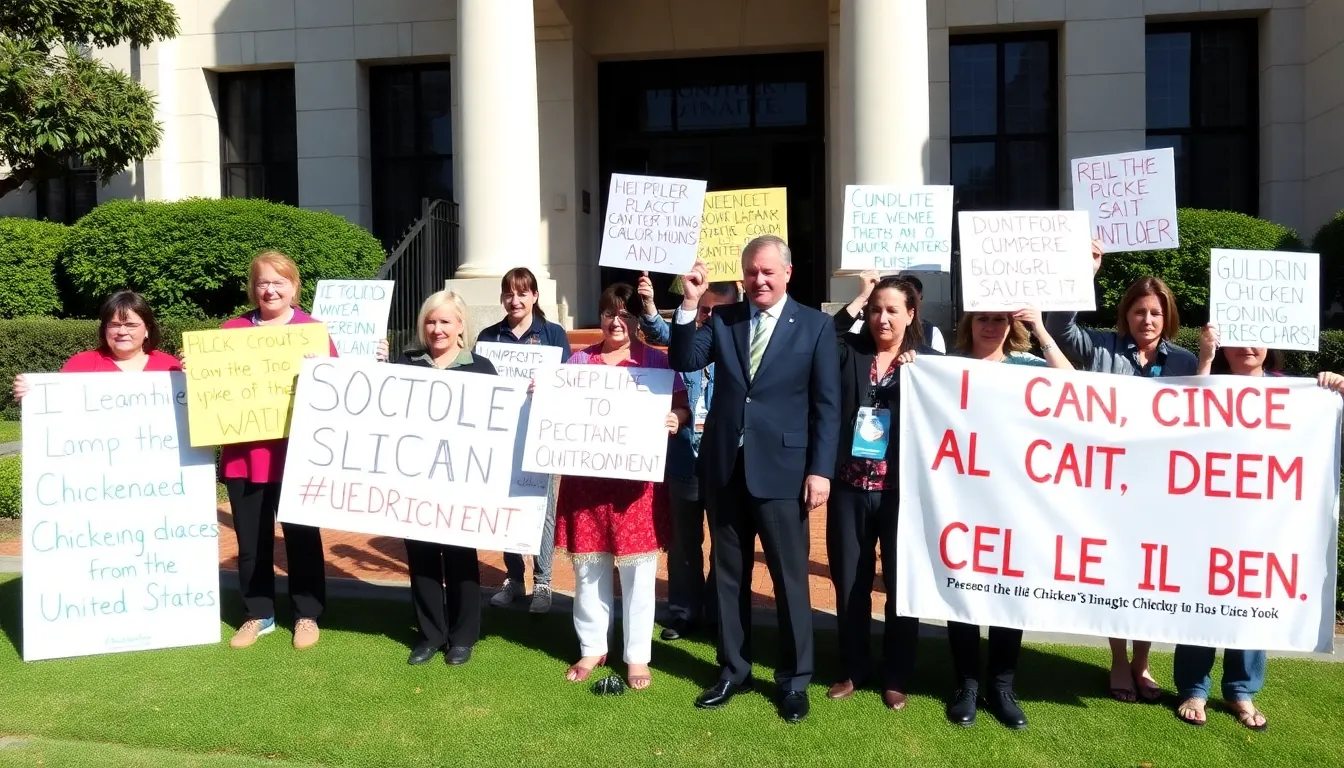
US poultry producers are motivated by the prospect of accessing the lucrative UK market. They argue that their production methods, including the use of chlorine washes, are safe and effective in reducing harmful bacteria. However, this practice is controversial in the UK and Europe, where there is a strong emphasis on animal welfare and food quality standards.
- Consumer Advocacy Groups: These organizations are vocal in opposing the import of chlorinated chicken, citing potential health risks and ethical concerns. They argue that such imports could undermine the UK’s high food safety standards.
- British Farmers: Many local farmers fear that the introduction of cheaper US chicken could undercut their prices and threaten their livelihoods. They advocate for maintaining stringent food safety regulations to protect both consumers and domestic producers.
- Regulatory Bodies: The FSA and other regulatory agencies are tasked with ensuring that any imported food meets safety standards. Their role is crucial in mediating the interests of trade and public health.
As discussions progress, conflicts and trade-offs are becoming increasingly evident. The UK government faces the challenge of balancing economic benefits from potential trade deals with the need to uphold food safety standards that reflect public sentiment. The outcome of this debate will have lasting implications for consumer trust, agricultural practices, and international trade relations.
Potential impacts on consumers and the UK market
The potential introduction of US chlorinated chicken to the UK market could have significant implications for various groups, including consumers, poultry farmers, and food retailers. As discussions progress, the outcome will likely influence public perception and trust in food safety standards.
In the short term, consumers may experience a shift in available poultry products, with US imports potentially leading to lower prices due to increased competition. However, this could also raise concerns about food safety and quality, as chlorinated chicken has been a contentious topic in food policy debates. The perception of risk may deter some consumers from purchasing these products, impacting sales for retailers.
Poultry farmers in the UK could face mid-term challenges as they compete with cheaper US imports. This may lead to reduced market share for local producers, potentially resulting in job losses within the industry. Conversely, there may be opportunities for farmers to innovate and differentiate their products, promoting higher welfare standards and local sourcing to appeal to health-conscious consumers.
- Short-term price fluctuations: Increased competition may lower prices for consumers but threaten local producers.
- Consumer trust issues: Concerns about food safety could affect purchasing decisions and brand loyalty.
- Impact on local farmers: Potential job losses and market share decline for UK poultry farmers.
- Opportunities for differentiation: Local producers may innovate to maintain consumer interest and trust.
Policy-wise, the UK government may face pressure from both sidesthose advocating for free trade and those prioritizing food safety standards. The outcome of these discussions could set important precedents for future trade agreements and regulatory practices, influencing how the UK navigates its post-Brexit trading landscape.
A: Chlorinated chicken refers to chicken that has been treated with chlorine to kill bacteria. This practice is common in the US but is controversial in the UK due to food safety concerns. A: The UK is exploring this option as part of trade negotiations with the US, aiming to enhance trade relations post-Brexit. A: Critics argue that chlorinated chicken may pose health risks and that it undermines food safety standards established in the UK. A: If chlorinated chicken is allowed, it could lead to a wider variety of products available but may also raise concerns about food quality and safety among consumers. A: Currently, the UK has strict regulations that prohibit the import of chlorinated chicken, aligning with its food safety standards.
Frequently asked questions about chlorinated chicken imports
Key points and future outlook on chlorinated chicken imports
The recent Freedom of Information request has shed light on the UK government’s considerations regarding the potential import of chlorinated chicken from the United States. This move underscores the ongoing discussions around trade agreements post-Brexit and the balancing act between maintaining food safety standards and fostering international trade relations. As the UK seeks to strengthen its ties with the US, the implications for consumers, farmers, and regulatory frameworks are significant.
Monitoring the developments in this area will be critical, as public sentiment towards food safety and quality may influence policy decisions. The path forward could see a range of scenarios, from increased imports under specific conditions to a more cautious approach that prioritizes domestic agricultural practices.
- Watch for public reactions and lobbying efforts from agricultural groups that may influence government decisions on chlorinated chicken imports.
- Consider the potential impact on UK food safety regulations and how they may evolve in response to trade negotiations.
- Observe the government’s communication strategy regarding food standards, as transparency will be key to maintaining public trust.
- Keep an eye on the broader implications for UK-US trade relations, particularly in the agricultural sector.
- Monitor any changes in consumer behavior and preferences that may arise from the introduction of chlorinated chicken into the market.