
This research gained traction following a series of discussions within the gaming community, especially among female players. Notable esports organizations and professional players have started to acknowledge the potential influence of menstrual health on performance, leading to a broader conversation about player welfare and inclusivity in the gaming industry.
In June 2023, a prominent League of Legends tournament featured discussions on this topic, where experts and players shared insights on how understanding these biological factors could lead to better training regimens and support systems for female gamers. The dialogue has sparked interest in developing resources aimed at improving player health and performance.
As the esports landscape continues to evolve, the integration of such research into training and competition strategies may not only enhance performance but also promote a more equitable environment for all players. This shift signifies a growing recognition of the importance of mental and physical health in gaming, reflecting a broader trend towards prioritizing player welfare across sports disciplines.
Understanding the relationship between gaming and menstrual health
The intersection of gaming and health has been an area of growing interest, particularly as the gaming community becomes more diverse and inclusive. Historically, video games were often seen as a male-dominated space, but the rise of female gamers has prompted a reevaluation of how various factors, including menstrual health, can impact gaming performance and player well-being. This shift has led to increasing discussions on player welfare, particularly in competitive environments such as esports.
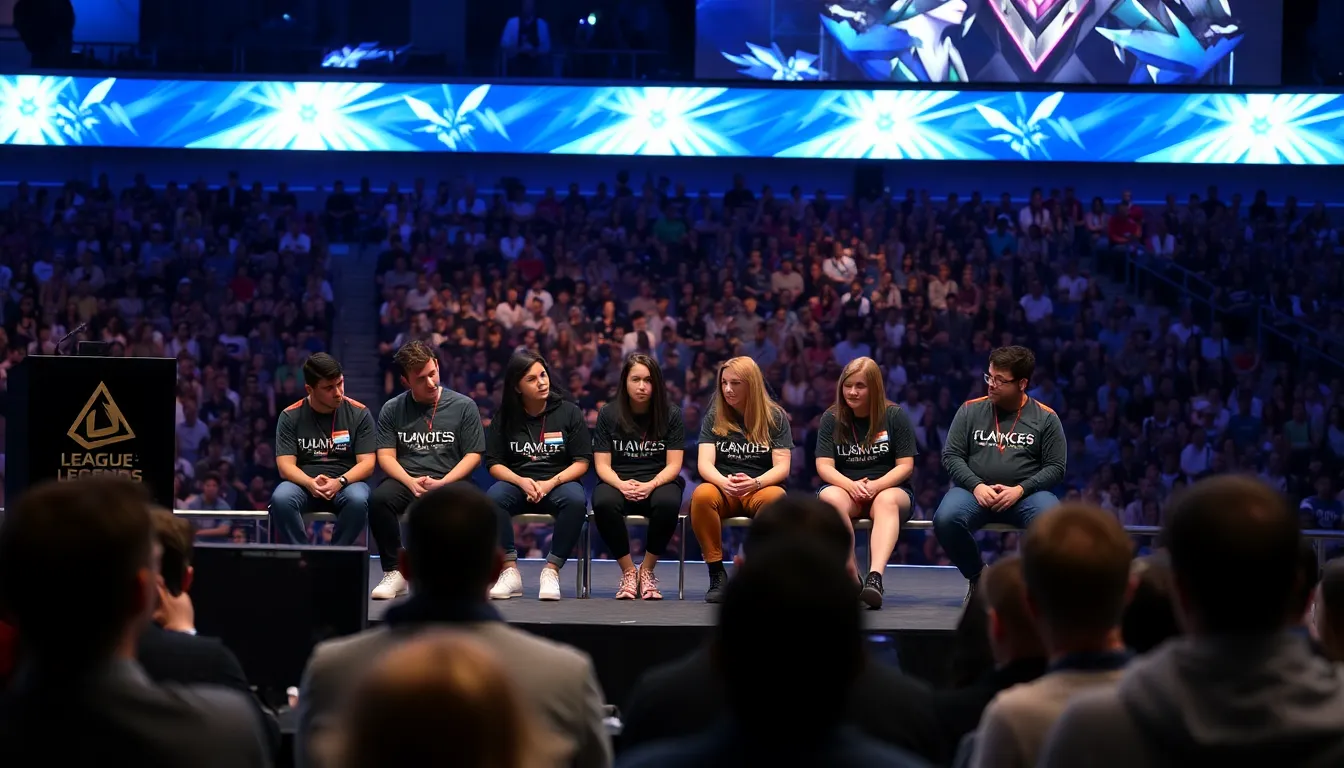
Research into the menstrual cycle and its effects on physical and cognitive performance has gained traction in recent years. Studies have indicated that hormonal fluctuations can influence mood, concentration, and reaction times—key components for success in fast-paced games like League of Legends. As more female players enter the esports arena, understanding these biological factors becomes essential for creating supportive environments that enhance performance and well-being, similar to discussions surrounding health strategies in other fields.
Key Milestones in Player Welfare Awareness
One significant milestone occurred in 2019 when several esports organizations began implementing mental health resources and support systems for players. This was a pivotal moment in recognizing that the pressures of competitive gaming extend beyond mere skill; they encompass the overall health of the players. The conversation around menstrual health is a natural extension of this awareness, highlighting the need for tailored support that considers the unique challenges faced by female players.
Moreover, the COVID-19 pandemic has accelerated discussions about health and wellness in gaming communities. With players facing unprecedented stress and isolation, the need for comprehensive health strategies, including those addressing menstrual health, has become even more apparent. As esports continues to evolve, the integration of such considerations into player welfare policies is not just beneficial but necessary for fostering a sustainable and inclusive gaming culture.
As we move forward, the dialogue surrounding League of Legends and menstrual-cycle research serves as a crucial starting point for broader discussions on player welfare. By acknowledging and addressing the diverse needs of all players, the gaming community can create a more equitable environment that supports everyone in achieving their best performance.
Key stakeholders and their perspectives on player welfare
The discussion surrounding player welfare in esports, particularly in the context of ‘League of Legends’ and menstrual-cycle research, has brought together a diverse group of stakeholders. Each has unique interests and perspectives that shape the ongoing conversation about the health and well-being of players.
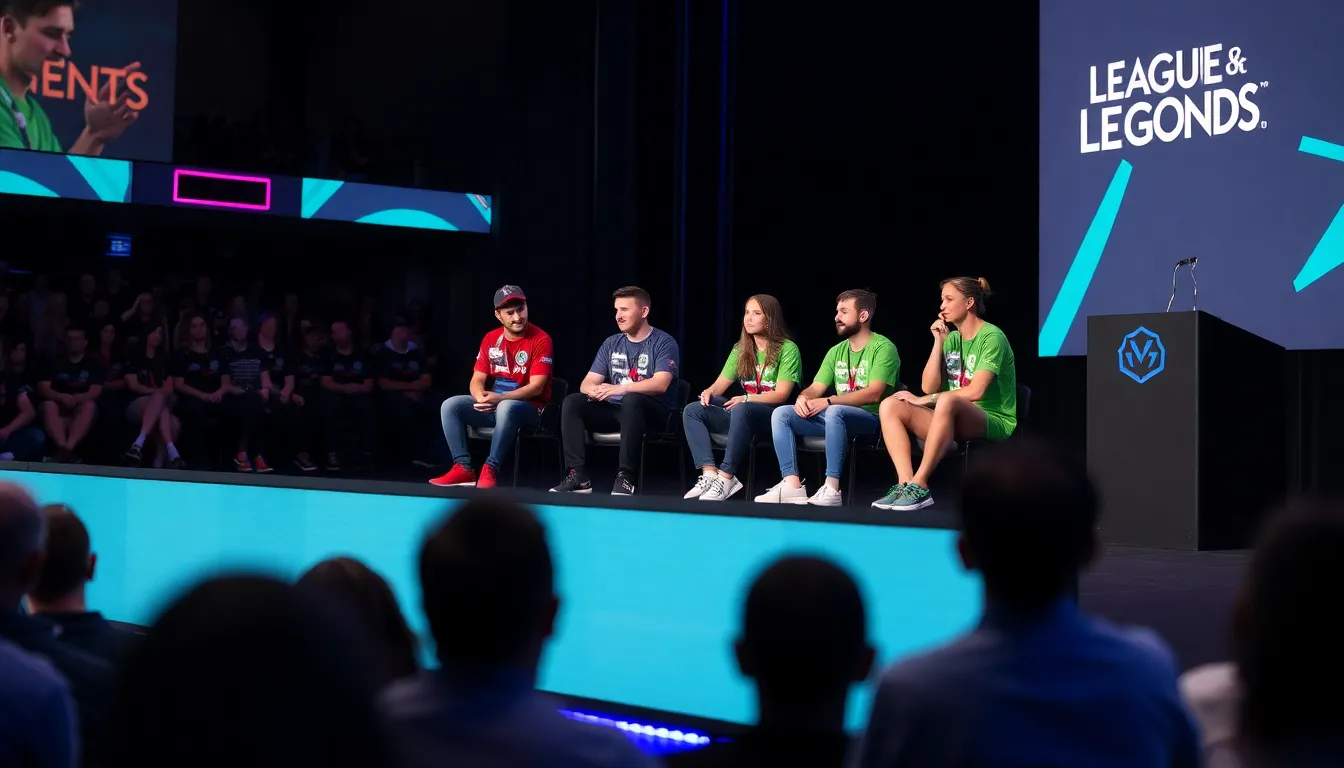
One of the primary stakeholders is the esports organizations themselves, which include teams and leagues. Their interest lies in maintaining a competitive edge while ensuring that players are healthy and capable of performing at their best. This often leads to a focus on training regimens and mental health support, but they may also face conflicts when balancing performance demands with player welfare.
Another significant actor in this landscape is the players, who are increasingly vocal about their needs and rights. Many players advocate for better health resources, including research into how factors like the menstrual cycle can affect performance. This push for awareness and support can sometimes clash with the traditional views held by organizations that prioritize immediate results over long-term health considerations.
Additionally, researchers and health professionals are key players in this dialogue. Their role involves providing scientific insights into how biological and psychological factors impact player performance. However, the challenge lies in translating this research into actionable policies that organizations can implement without disrupting the competitive environment.
- Conflicts of interest: Organizations may prioritize winning over player health, leading to potential burnout.
- Trade-offs: Implementing health initiatives may require financial investment, which could affect team budgets.
- Legal considerations: Ensuring player rights and health protections may require new regulations within the esports industry.
- Economic implications: A healthier player base could enhance performance and, in turn, increase revenue for organizations.
How these findings could influence the gaming community and industry
The research connecting League of Legends gameplay and menstrual cycles has the potential to impact several groups, including players, game developers, and the broader gaming community. Female gamers, in particular, may find that their gaming experiences and performance are influenced by their menstrual cycles, leading to a need for more awareness and tailored support within the gaming environment.
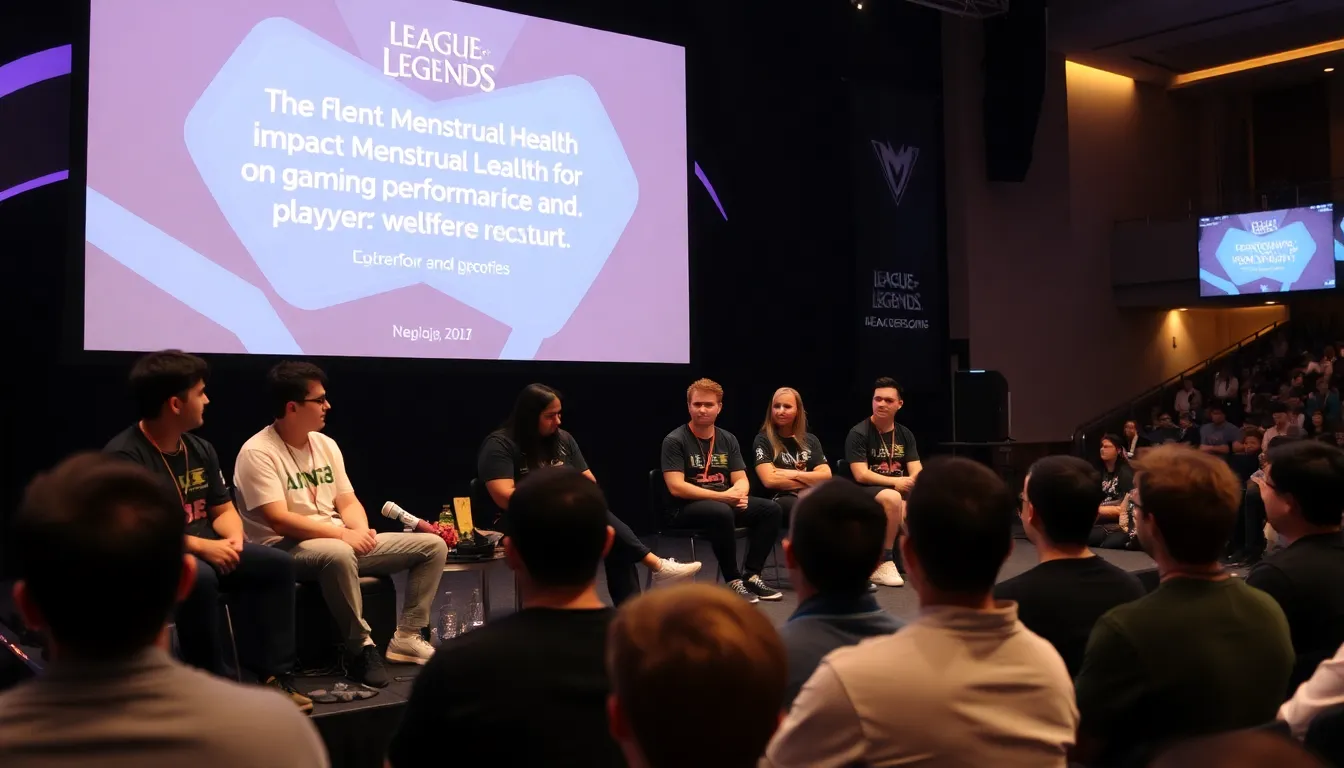
In the short term, this research could prompt gaming companies to consider player welfare more seriously, leading to changes in game design and community engagement strategies. For example, developers might implement features that account for the varying performance levels of players based on physiological factors. This could enhance player retention and satisfaction, fostering a more inclusive gaming culture.
In the mid-term, the conversation around menstrual health in gaming could influence policy changes within the industry. Companies might establish guidelines for player welfare that include mental health resources, flexible scheduling for tournaments, and support systems for female gamers. This shift could also encourage other industries to adopt similar approaches, recognizing the importance of holistic health in performance-driven environments.
- Risks: Stigmatization of female players or backlash from parts of the community resistant to change.
- Opportunities: Increased collaboration between health experts and game developers, leading to innovative solutions that enhance player experience.
- Market Impact: Potential growth in the female gaming demographic as companies embrace inclusivity.
As these discussions unfold, it is likely that the gaming community will become more aware of the diverse factors affecting player performance, leading to a more supportive and understanding environment for all gamers.
A: Studies suggest that hormonal fluctuations during the menstrual cycle can influence mood, concentration, and energy levels, potentially impacting gaming performance. A: Understanding these effects can help create better support systems for female gamers, ensuring they can perform at their best during competitions. A: Several gaming organizations and health experts are beginning to explore this topic, aiming to raise awareness and provide resources for players. A: Players are encouraged to track their menstrual cycles and consult with healthcare professionals to find strategies that work for them. A: The industry may start implementing policies and programs that prioritize player health and well-being, particularly for female gamers.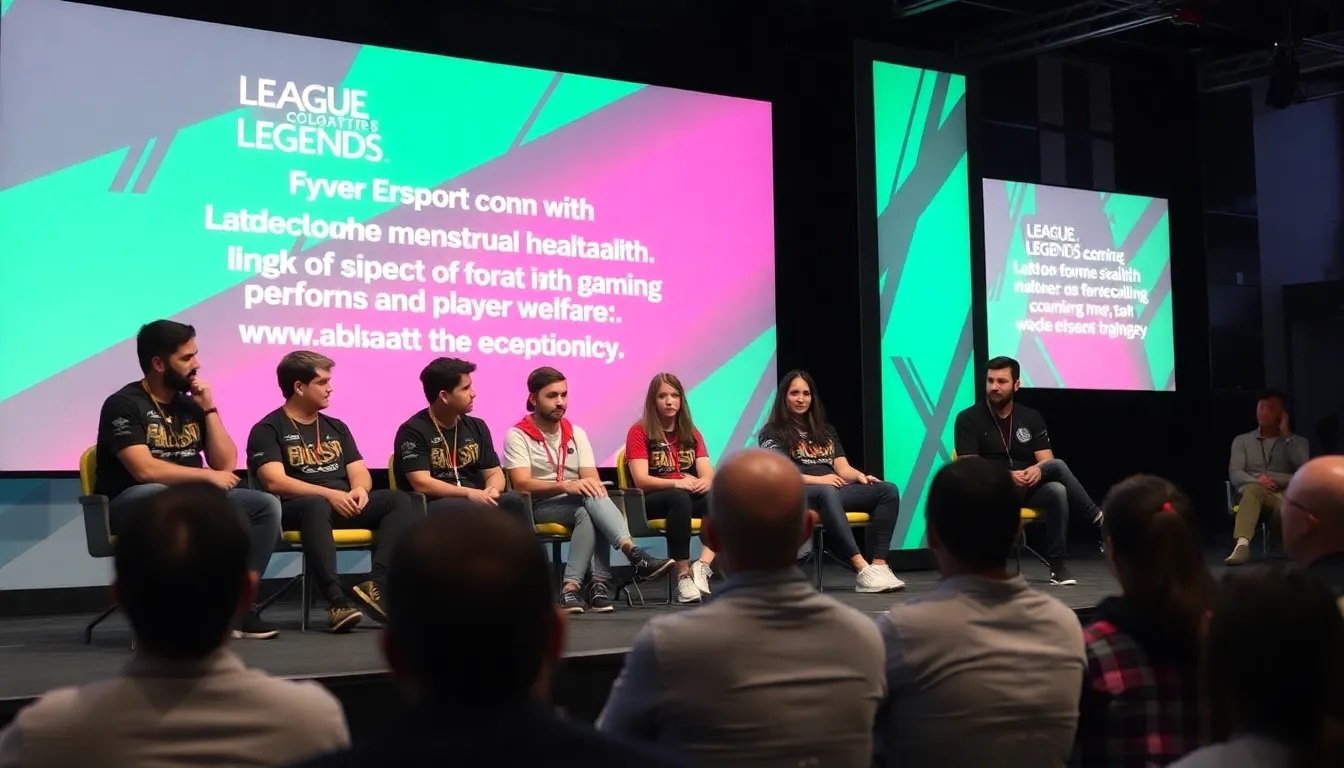
Frequently asked questions about menstrual health and gaming
Looking ahead: implications for player welfare initiatives
The intersection of League of Legends and menstrual-cycle research highlights a growing recognition of the importance of player welfare in esports. As studies reveal potential impacts of physiological factors on performance, there is an opportunity for the esports community to adopt more inclusive practices that consider the diverse needs of players. This can lead to improved performance, mental health, and overall player satisfaction.
Organizations and teams that prioritize player welfare initiatives may not only enhance their competitive edge but also foster a more supportive environment that attracts and retains talent. By integrating findings from research into training regimens and support systems, the industry can pave the way for a more holistic approach to player care.
- Integrate health and wellness programs that consider physiological factors affecting performance.
- Encourage open conversations about player health, including the impact of menstrual cycles on gaming performance.
- Develop tailored training schedules that accommodate individual player needs and well-being.
- Implement regular wellness check-ins as part of team dynamics to promote mental health.
- Foster partnerships with health professionals to provide resources and education for players.