
Vance, a Republican from Ohio, characterized Orbán as a “great guy” and praised his leadership despite the electoral challenges. This endorsement comes at a time when many observers are scrutinizing Orbán’s increasingly authoritarian policies and their implications for democracy in Hungary and beyond. Vance’s comments highlight the complexities of U.S. political alliances with foreign leaders who have controversial records.
The significance of Vance’s support lies not only in its reflection of current U.S. political dynamics but also in the broader context of how American politicians engage with international figures. As the 2024 election approaches, Vance’s stance may resonate with certain voter bases that prioritize strongman leadership styles, even amid concerns over democratic backsliding.
Critics of Vance’s position argue that endorsing Orbán could alienate moderate voters who are wary of authoritarianism. This situation underscores the ongoing debate within the Republican Party regarding its identity and the direction it should take in relation to international allies known for controversial governance practices.
Understanding the political landscape in Hungary and Orbán’s leadership
Hungary has experienced significant political shifts since the fall of communism in 1989. The transition to democracy brought about a multi-party system, but it was not until Viktor Orbán and his party, Fidesz, came to power in 2010 that a more centralized and nationalistic approach to governance emerged. Orbán’s leadership has been characterized by a strong emphasis on nationalism, economic protectionism, and a controversial stance on immigration, which has resonated with many voters in Hungary.
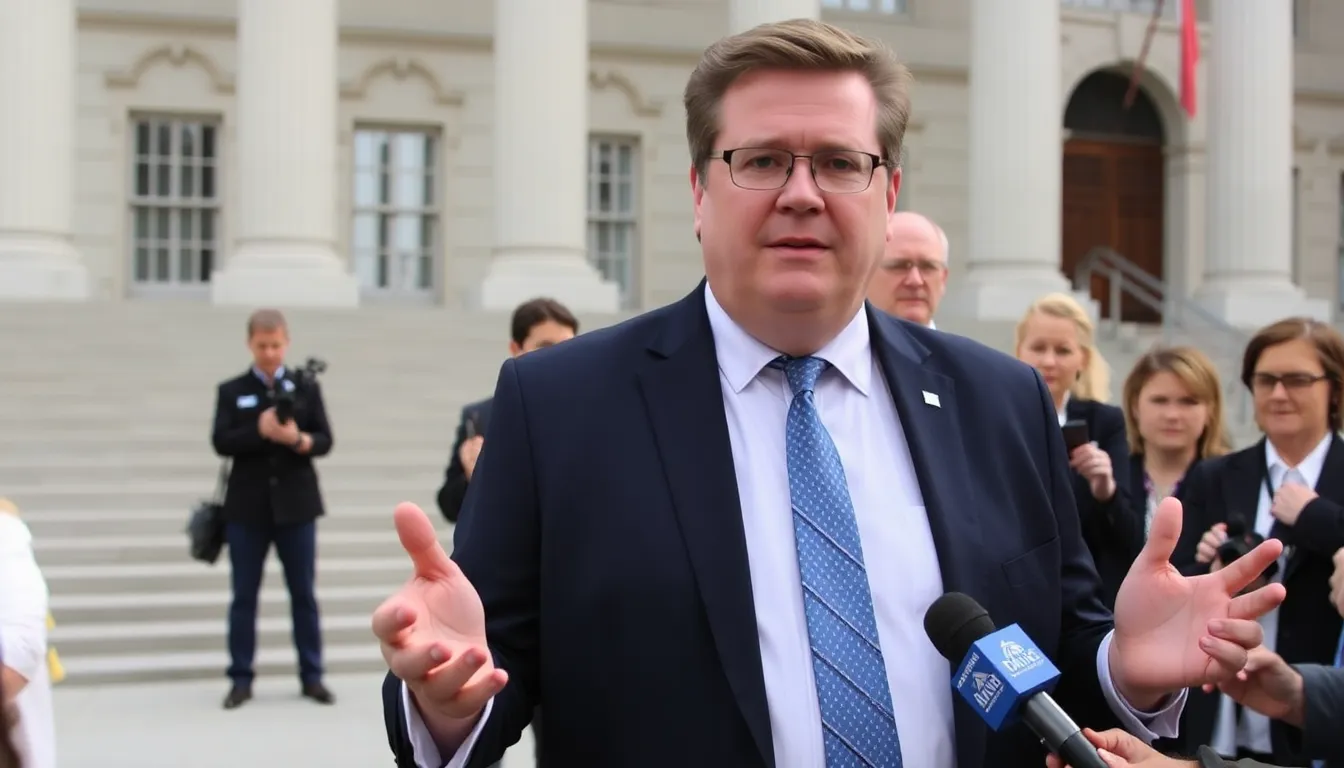
Orbán’s government has implemented a series of reforms that critics argue undermine democratic institutions and the rule of law. These include changes to the constitution, media laws, and judicial independence, which have drawn criticism from the European Union and human rights organizations. Despite this, Orbán has maintained a strong base of support, leveraging economic growth and a narrative of national sovereignty to bolster his political standing.
The 2022 Elections and Aftermath
The 2022 parliamentary elections in Hungary saw Fidesz winning a decisive victory, securing a fourth consecutive term for Orbán. However, this success was followed by a notable defeat for Orbán’s party in the 2023 local elections, where they lost control of several major cities. This shift raised questions about the sustainability of Orbán’s grip on power and the potential for a more competitive political landscape in Hungary.
JD Vance’s support for Orbán’s campaign, despite these recent electoral challenges, highlights a broader trend among some American conservatives who admire Orbán’s approach to governance. Vance’s defense of Orbán as a “great guy” reflects a growing affinity for leaders who prioritize national identity and conservative values, even in the face of electoral setbacks. This dynamic underscores the complexities of international political alliances and the varying perceptions of leadership effectiveness across different contexts.
Analyzing the implications of Vance’s support for Orbán
JD Vance, a prominent U.S. Senator, recently expressed his support for Hungarian Prime Minister Viktor Orbán, labeling him a “great guy” despite Orbán’s significant electoral defeat. This endorsement raises questions about the motivations behind Vance’s stance and the broader implications for U.S.-Hungary relations, as well as domestic political dynamics; for more insights on international relations, check out this related article.
Vance’s support for Orbán may resonate with certain segments of the Republican Party that admire Orbán’s nationalist policies and approach to governance. This alignment reflects a growing trend within U.S. politics where some politicians seek to emulate foreign leaders who prioritize national sovereignty and conservative values. However, it may also alienate moderate voters who view Orbán’s policies as authoritarian.
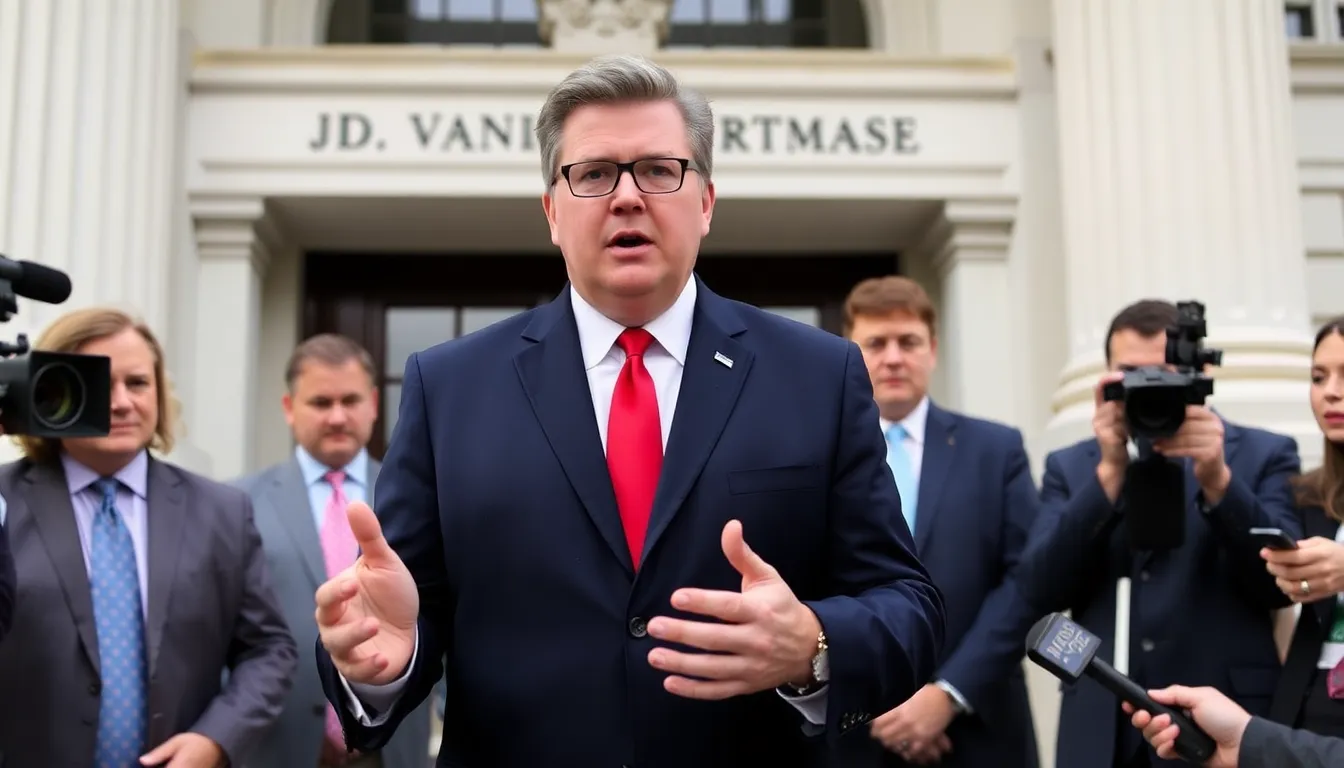
Key stakeholders in this scenario include:
- JD Vance: His political career may benefit from aligning with Orbán’s supporters, but this could risk backlash from more centrist constituents.
- Viktor Orbán: As a leader facing criticism after his electoral defeat, Orbán’s international support may help bolster his image and influence within European politics.
- The Republican Party: The party’s internal divisions regarding foreign policy and democratic values may be exacerbated by Vance’s endorsement.
- U.S. voters: Public perception of Vance’s support for Orbán could impact voter sentiment in upcoming elections, particularly among those concerned about democratic backsliding.
Additionally, the economic implications of Vance’s endorsement cannot be overlooked. Hungary’s economic policies under Orbán have been controversial, particularly regarding their impact on EU relations. The potential for increased trade or investment ties between the U.S. and Hungary could be influenced by Vance’s position, but it also raises concerns about supporting a government perceived as undermining democratic principles.
In summary, Vance’s backing of Orbán serves as a focal point for examining the intersection of domestic political strategies and international relations, highlighting how individual endorsements can reflect broader ideological shifts within political parties and affect geopolitical dynamics.
Potential impacts on Vance’s political career and public perception
JD Vance’s endorsement of Viktor Orbán, despite Orbán’s recent electoral defeat, could resonate across various groups, particularly among conservative voters and political analysts. His backing of a figure known for controversial policies may polarize public opinion, affecting his standing within the Republican Party and among moderate voters.
In the short term, Vance’s decision may energize his base, particularly those who admire Orbán’s nationalistic approach. This could lead to increased support from far-right factions, potentially enhancing his visibility and influence within those circles. However, it could alienate centrist and independent voters who may view his endorsement as a departure from traditional conservative values.

In the mid-term, Vance’s political career could face significant challenges. Should Orbán’s policies continue to receive criticism, Vance may be forced to defend his stance, impacting his legislative agenda and relationships with other lawmakers. Additionally, the backlash from progressive groups could lead to organized opposition against him, influencing future elections.
- Risk of alienating moderate voters: Vance’s support for Orbán may push away centrist constituents.
- Opportunity for strengthening far-right ties: His endorsement could solidify his standing among hardline conservatives.
- Impact on business relations: Companies concerned about international reputation might reconsider partnerships with Vance.
- Policy implications: Vance may face pressure to align with more extreme policies, affecting his legislative effectiveness.
The broader implications of Vance’s endorsement extend to regional dynamics, particularly in areas with significant Hungarian-American populations who may have mixed feelings about Orbán’s governance. This could influence local political landscapes and voter turnout in upcoming elections.
A: JD Vance believes that Orbán represents values that align with his own, such as nationalism and conservative governance, which he continues to support regardless of the election outcome. A: Orbán’s defeat could signal a shift in Hungary’s political landscape, potentially affecting policies and international relations, but Vance’s support suggests he still sees value in Orbán’s approach. A: Vance’s endorsement of Orbán may polarize opinions among voters, but it could also solidify his base among conservative constituents who admire Orbán’s leadership. A: Critics argue that supporting a leader with a controversial track record undermines democratic values and could alienate moderate voters. A: Yes, Vance has received criticism from various political commentators and opponents who view his support for Orbán as problematic given the latter’s authoritarian tendencies.
Frequently asked questions about Vance and Orbán
Key takeaways and future implications of Vance’s stance
JD Vance’s endorsement of Viktor Orbán, despite the latter’s recent electoral defeat, raises important questions about the alignment of American political figures with foreign leaders. Vance’s characterization of Orbán as a “great guy” suggests a continued embrace of populist and nationalist sentiments within the Republican Party, even in the face of electoral setbacks abroad. This situation invites scrutiny on how such endorsements may influence domestic political strategies and voter perceptions.
As the political landscape evolves, Vance’s defense of Orbán could serve as a litmus test for other Republican leaders considering similar endorsements. Observers should monitor how this dynamic unfolds, particularly in relation to voter sentiment regarding foreign policy and the implications for the party’s broader strategy moving forward.
- The impact of Vance’s endorsement on his political capital within the Republican Party.
- Potential shifts in voter attitudes toward populist leaders following Orbán’s defeat.
- The role of foreign endorsements in shaping domestic political narratives.
- Future endorsements by Republican figures and their alignment with nationalist movements.
- The implications for U.S.-Hungary relations and broader international alliances.