
Throughout her illustrious career, Bhosle collaboratively worked with many prominent music composers and artists, including R.D. Burman, whom she married in 1980. Her contributions to film music were recognized with numerous awards, including the Dadasaheb Phalke Award and several National Film Awards. As a pioneer for female artists in a male-dominated industry, her influence extended beyond music, inspiring generations of singers.
The news of her passing has prompted an outpouring of tributes from fans, fellow musicians, and public figures, highlighting her impact on Indian culture. Social media platforms have been flooded with messages celebrating her life and achievements, emphasizing the void her absence will create in the music landscape. Many remember her not only for her extraordinary talent but also for her warmth and humility.
Bhosle’s unique ability to adapt to changing musical trends kept her relevant throughout her career, from the golden age of Bollywood to contemporary times. Her songs, which often blended traditional Indian music with modern influences, have become timeless classics. As the world mourns her loss, the music community reflects on the indelible mark she has left on the industry and the generations of artists she has inspired, as seen in articles discussing her impact on Bollywood music.
Asha Bhosle’s remarkable career and contributions to music
Asha Bhosle, born on September 8, 1933, in Sangli, India, emerged as one of the most iconic voices in Indian music, whose influence spanned over seven decades. Her career began in the early 1940s when she recorded her first song at the tender age of 10. As Bollywood music evolved, so did Bhosle’s style, allowing her to adapt to various genres, from classical to pop, thereby redefining the landscape of Indian film music.
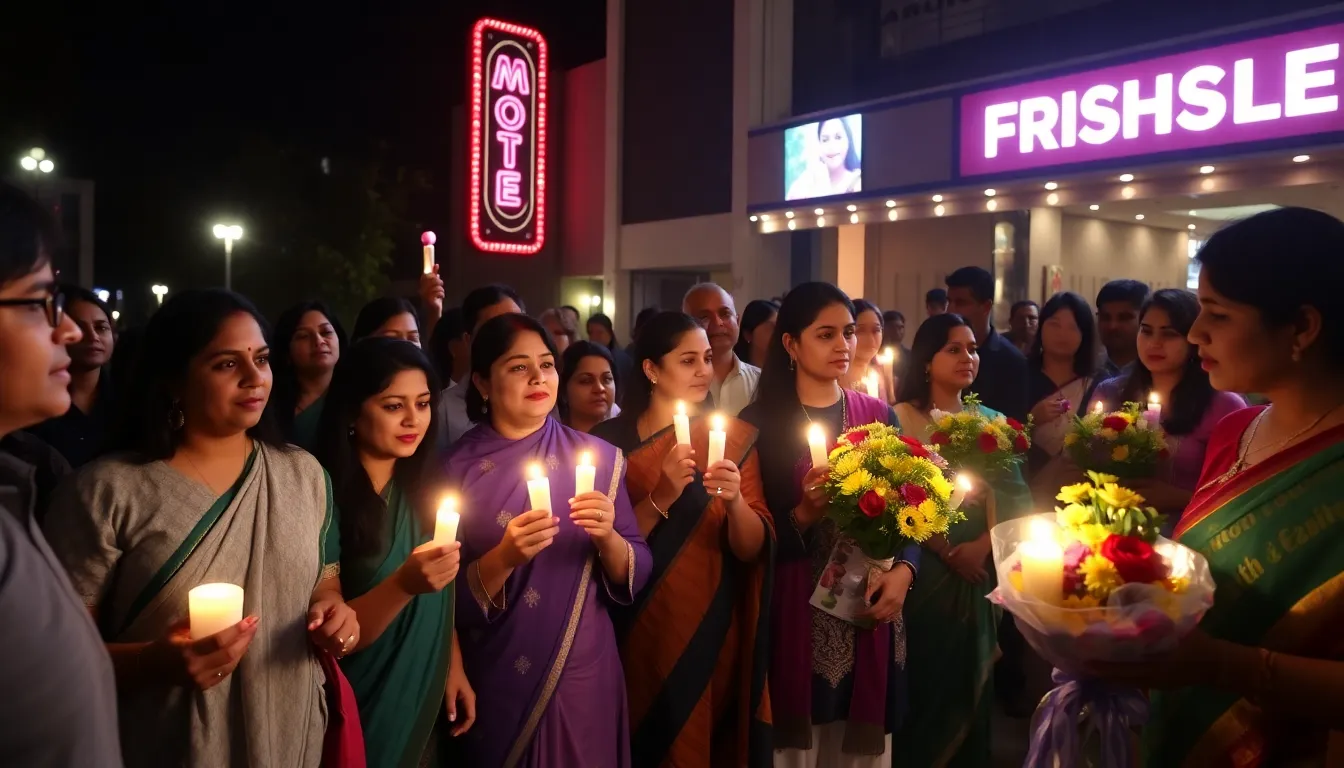
Throughout her career, Bhosle collaborated with legendary music directors such as R.D. Burman, who played a crucial role in shaping her sound during the 1970s and 1980s. Their partnership produced numerous timeless hits that resonated with audiences across generations, solidifying her status as a cultural icon, much like the influential figures discussed in this article about John Nolan.
Beyond her contributions to film music, Asha Bhosle ventured into various musical styles, including ghazals, pop, and regional Indian music. She was not only a prolific playback singer but also an accomplished solo artist, releasing numerous albums that showcased her versatility. Her music transcended borders, earning her international acclaim and collaborations with artists worldwide, further enhancing her legacy.
Milestones in Asha Bhosle’s Journey
Over the years, Bhosle received numerous awards and accolades, including the prestigious Dadasaheb Phalke Award in 2000, which recognized her lifetime achievements in Indian cinema. She also became the first female playback singer to perform at the Royal Albert Hall in London, marking a significant milestone in her career. These achievements reflect not only her immense talent but also the changing dynamics of the Indian music industry, where female artists began to gain recognition and respect.
The socio-political landscape of India during Bhosle’s rise to fame played a significant role in shaping her career. The post-independence era saw a burgeoning film industry that embraced diverse musical influences, allowing artists like Bhosle to thrive. Her ability to connect with the audience through her music mirrored the aspirations and emotions of a nation in transition, making her an integral part of India’s cultural narrative.
The significance of Asha Bhosle’s influence on Indian music and culture
Asha Bhosle, whose passing at the age of 92 marks the end of an era, was not just a singer but a cultural icon whose voice resonated across generations. Her contributions to Bollywood music have made her a pivotal figure in the evolution of Indian music, influencing countless artists and shaping the industry itself.
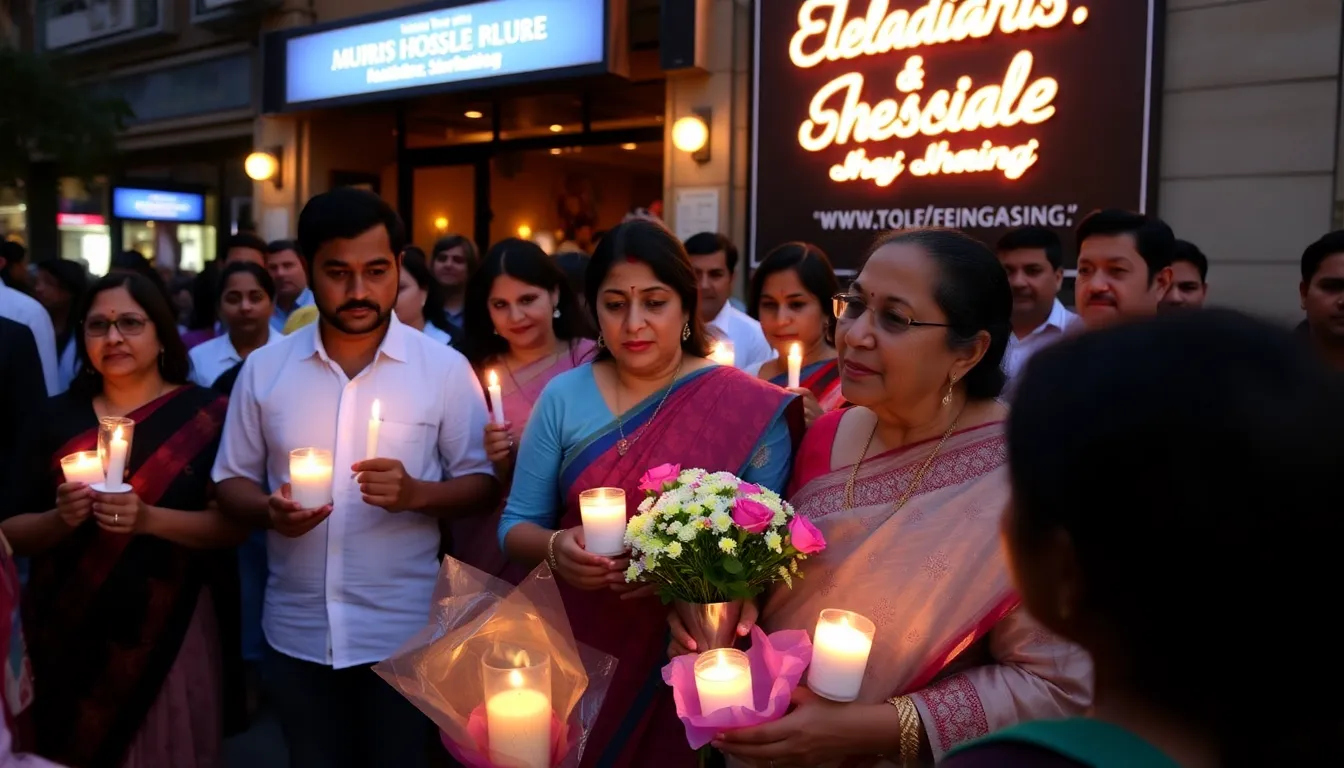
The main stakeholders in this scenario include Bhosle’s family, the Indian music industry, and her vast fanbase. Each of these groups has a vested interest in preserving her legacy and ensuring that her contributions are recognized and celebrated. The family may seek to manage her estate and protect her artistic works, while the music industry faces the challenge of honoring her influence amidst a rapidly changing musical landscape.
Conflicts may arise as the industry grapples with the commercialization of music and the preservation of artistic integrity. As music evolves, there is a trade-off between maintaining traditional forms and embracing new genres that appeal to younger audiences. Additionally, the legal aspects surrounding copyright and intellectual property rights may come into play as her works are analyzed and potentially reinterpreted by new artists.
- Legacy Preservation: Ensuring Asha Bhosle’s music remains accessible and celebrated in the digital age.
- Commercialization vs. Authenticity: Balancing the need for commercial success with the integrity of her artistic contributions.
- Impact on Future Artists: How Bhosle’s work will influence emerging musicians and the direction of Indian music.
- Legal Considerations: Navigating copyright issues related to her extensive catalog of songs.
Ultimately, Asha Bhosle’s death raises important questions about the future of Indian music and the role of its legends in an ever-evolving cultural landscape. The ongoing dialogue among stakeholders will be crucial in shaping how her legacy is honored and integrated into contemporary music.
How Asha Bhosle’s death affects fans and the music industry
Asha Bhosle’s passing marks a significant loss for millions of fans and the broader music industry. As one of the most iconic voices in Bollywood, her influence extended beyond music into various cultural and social spheres. Fans of all ages, particularly those who grew up listening to her songs, are likely to feel a profound sense of grief and nostalgia, impacting their daily lives and cultural practices.
The music industry faces immediate repercussions as artists, producers, and record labels reflect on her legacy. Asha Bhosle’s unique style and contributions have shaped the careers of many musicians, and her absence may create a void that could alter the dynamics of Bollywood music. The industry may see a surge in tributes, retrospectives, and re-releases of her work, leading to short-term spikes in sales and streaming of her music.
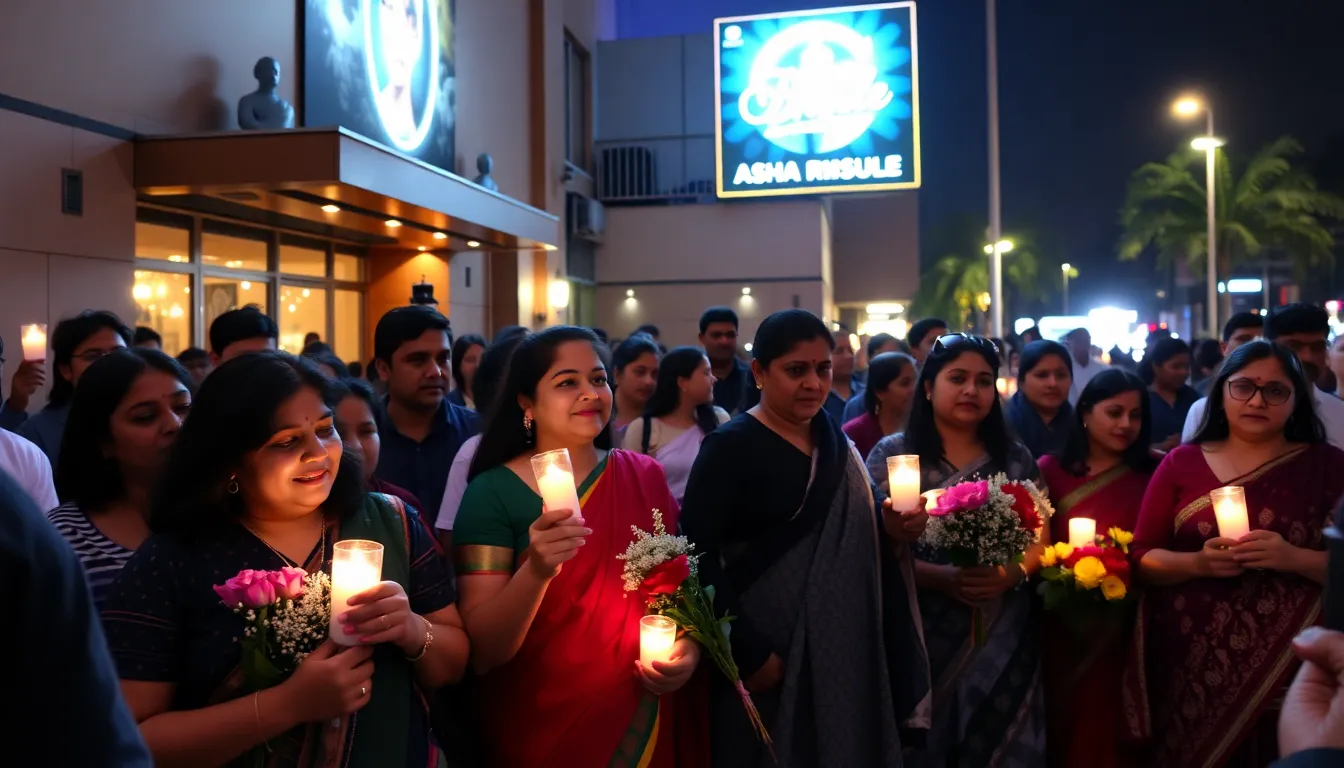
In the mid-term, the impact on the music industry may lead to a renewed interest in classic Bollywood music, prompting younger generations to explore the rich history of Indian cinema. This could result in opportunities for emerging artists to collaborate with veteran musicians, bridging generational gaps and revitalizing traditional forms of music.
- Fans: Experience emotional loss and nostalgia.
- Music Industry: Potential surge in tributes and re-releases.
- Emerging Artists: Opportunities for collaboration and exploration of classic music.
- Cultural Impact: Renewed interest in Bollywood’s musical heritage.
However, there are risks associated with her passing. The absence of such a prominent figure may lead to a lack of inspiration for current artists, potentially stifling creativity and innovation within the industry. Additionally, the market may experience fluctuations as fans and industry stakeholders navigate this transition, impacting revenue streams and project funding.
A: Asha Bhosle was known for her versatility, able to sing in multiple languages and genres, which made her a beloved figure in Bollywood music. Her ability to convey emotions through her voice set her apart from her contemporaries. A: Asha Bhosle recorded thousands of songs, with estimates suggesting over 12,000 tracks in various languages. This extensive repertoire showcases her prolific nature and dedication to her craft. A: Asha Bhosle received numerous awards, including the National Film Award and the Dadasaheb Phalke Award, recognizing her contributions to Indian cinema and music. She was also honored with several international accolades. A: Asha Bhosle inspired countless singers with her innovative style and dedication to music. Many contemporary artists cite her as a major influence in their careers, striving to emulate her passion and versatility. A: Asha Bhosle’s music evolved significantly, adapting to changing trends in Bollywood while maintaining her unique style. She embraced new genres and collaborated with various artists, showcasing her ability to stay relevant.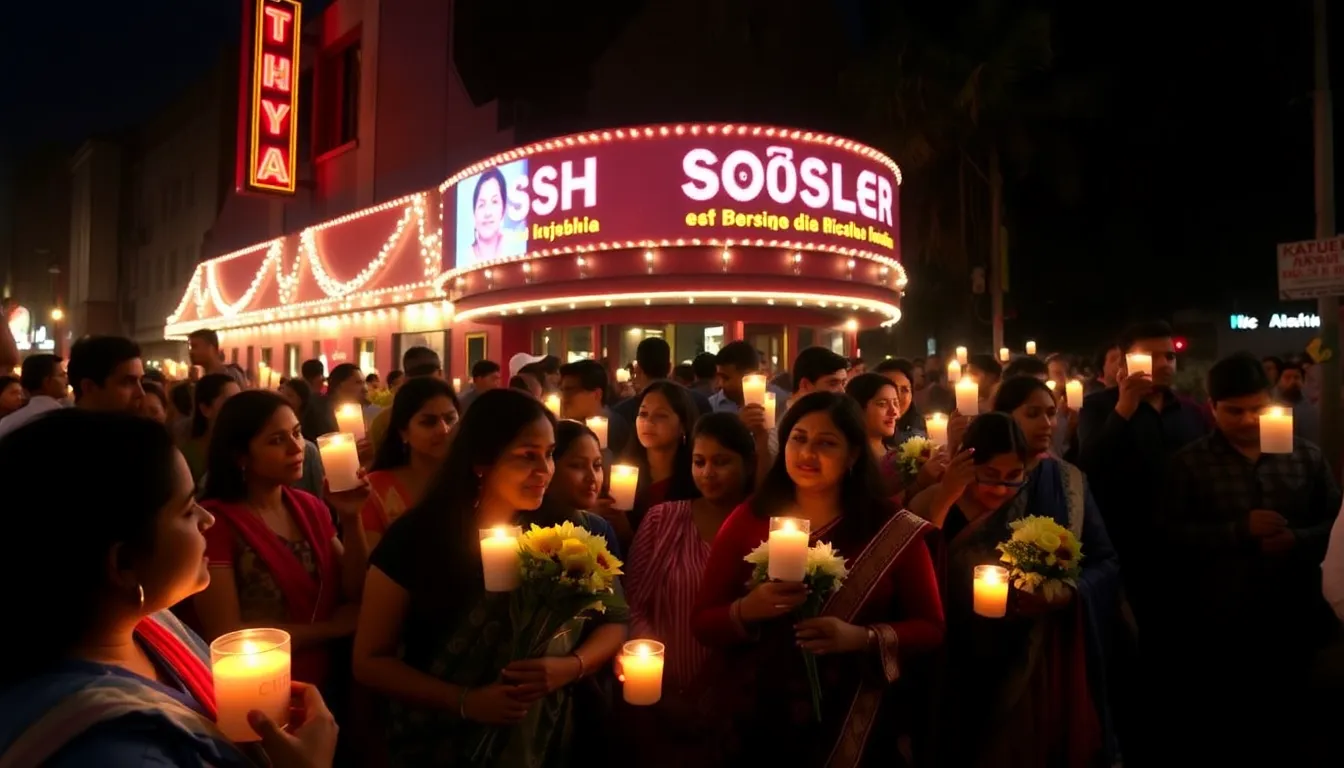
Frequently Asked Questions about Asha Bhosle
Reflecting on Asha Bhosle’s legacy and the future of Bollywood music
Asha Bhosle’s passing marks the end of an era in Indian music, leaving behind a rich tapestry of melodies that have shaped Bollywood for generations. Her unparalleled versatility and emotional depth in singing not only defined numerous films but also influenced countless artists across genres. As the industry grapples with this significant loss, it is essential to consider how her legacy will continue to inspire future musicians and the evolving landscape of Bollywood music.
In the wake of her departure, the music industry may witness a renewed focus on the importance of vocal artistry, with emerging talents seeking to capture the essence of her style while infusing it with contemporary influences. Additionally, the challenge will be to preserve the traditional elements of Indian music amidst the rapid modernization and globalization of sound.
- Watch for potential tributes and retrospectives celebrating Asha Bhosle’s contributions to music, which may inspire a new generation of artists.
- Expect a shift towards a blend of traditional and modern musical styles as artists seek to honor her legacy while innovating.
- Monitor how Bollywood music producers adapt to changing audience preferences, possibly reviving classic styles in homage to Bhosle.
- Consider the role of digital platforms in preserving and promoting her extensive discography, allowing new listeners to discover her work.