
The album showcases Bychkov’s unique interpretive style and the exceptional performances of the Czech Philharmonic Orchestra. Recording sessions took place over several months, culminating in a release that not only highlights Mahler’s complex orchestration but also emphasizes the emotional depth of each symphony.
Music critics have praised the album for its clarity and emotional resonance, noting that Bychkov’s interpretations breathe new life into these well-trodden works. This has led to an increase in interest, similar to the latest hits from Lady Gaga, Doechii, and the Strokes, which also resonate with contemporary audiences.
As streaming platforms and physical sales continue to shape the music industry, Bychkov’s album stands out as a testament to the enduring power of classical compositions. The attention it has received reflects a growing interest in symphonic music, particularly in the context of modern interpretations.
Understanding the historical significance of Mahler’s symphonies
Gustav Mahler, an Austrian composer and conductor, created a body of work that has profoundly influenced the trajectory of symphonic music in the late 19th and early 20th centuries. His symphonies, particularly those numbered 1 through 9, encapsulate a transformative period in music history, marked by a shift from the romanticism of the 19th century to the more modernist approaches that would dominate the early 20th century. For those interested in other influential figures, Kanye West’s controversies also illustrate the impact of individual artistry in modern music.

The socio-political landscape of Mahler’s time also played a crucial role in shaping his music. Living in a period characterized by rapid industrialization, the rise of nationalism, and the looming specter of World War I, Mahler’s works often reflect a deep sense of existential angst and a search for meaning amidst chaos. His experiences as a conductor in various European cities, including Vienna and New York, exposed him to diverse musical traditions and cultural influences, which he skillfully integrated into his symphonic language.
Key milestones in Mahler’s career
Mahler’s journey as a composer was marked by several significant milestones that contributed to the evolution of his symphonic style. His first symphony, completed in 1888, was initially met with mixed reviews, but it laid the groundwork for his later, more ambitious works. The premiere of his second symphony, known as the “Resurrection Symphony,” in 1895 marked a turning point, establishing Mahler as a major figure in the classical music world. Just as contemporary artists navigate their careers, Labrinth’s recent work showcases the evolving landscape of music production.
As Mahler’s reputation grew, so did interest in his symphonies, leading to a resurgence in their popularity in the latter half of the 20th century. This revival can be attributed to a combination of factors, including the efforts of renowned conductors and orchestras to perform his works, as well as the increasing recognition of his contributions to the symphonic repertoire. Today, Mahler’s symphonies are celebrated not only for their musical complexity but also for their profound emotional resonance, making them a staple in concert halls around the world.
Key elements that make Bychkov’s set stand out in the classical music scene
In the realm of classical music, the release of a new recording of Mahler’s symphonies often garners significant attention from various stakeholders, including conductors, orchestras, record labels, critics, and audiences. Each of these actors has distinct interests that shape their engagement with such projects. For example, conductor Paavo Bychkov aims to establish a unique interpretative voice in Mahler’s oeuvre, while orchestras seek to enhance their reputations through association with high-profile recordings.
Record labels, such as the one producing Bychkov’s album, are motivated by commercial success and artistic prestige. They invest in marketing strategies to appeal to both traditional classical music aficionados and newer audiences. This creates a competitive landscape where the quality of the recording, the reputation of the conductor, and the performance of the orchestra are pivotal in attracting attention and sales.

Critics and musicologists play a crucial role in shaping public perception of these recordings. Their reviews can significantly influence the album’s reception, impacting sales and the careers of those involved. Discrepancies in critical opinion can lead to conflicts, particularly when a recording challenges established interpretations or when it is perceived as lacking in authenticity or emotional depth.
- Artistic interpretation: Bychkov’s unique approach may clash with traditional views on Mahler’s symphonies.
- Market competition: The album must compete with other notable recordings, which may lead to trade-offs in marketing strategies.
- Audience engagement: Different audience segments may have conflicting preferences regarding interpretative styles.
- Critical reception: Varied critical responses could create a divide among listeners and affect the album’s longevity.
Furthermore, economic considerations come into play as orchestras and conductors balance artistic integrity with the need to appeal to a broader market. This can lead to compromises in performance style or recording techniques, potentially alienating purists who favor more traditional renditions. The interplay of these factors highlights the complexities inherent in producing a standout recording in the competitive landscape of classical music.
The influence of Bychkov’s interpretation on audiences and critics alike
The release of Bychkov’s Mahler Symphonies 1-9 album resonates across various groups, particularly classical music enthusiasts, critics, and the broader cultural community. Audiences seeking profound musical experiences are likely to feel a renewed sense of engagement with Mahler’s works, while critics may find themselves reassessing their perspectives on orchestral interpretations.
In the short term, this album could invigorate the classical music industry, leading to increased concert attendance and heightened interest in Mahler’s symphonies. Music venues, orchestras, and streaming platforms may experience a surge in demand for performances and recordings of Mahler’s repertoire. This could create opportunities for emerging artists and conductors to showcase their interpretations, further enriching the cultural landscape.
However, there are also risks associated with such a high-profile release. Established artists may feel pressure to compete with Bychkov’s acclaimed interpretation, potentially leading to a homogenization of performances as they strive to replicate his success. Additionally, the emphasis on a singular interpretation might overshadow the diverse approaches that other conductors bring to Mahler’s music.

- Increased concert attendance and interest in Mahler’s works.
- Opportunities for emerging artists to gain recognition.
- Potential homogenization of interpretations in the industry.
- Heightened competition among orchestras and conductors.
In the mid-term, the impact of Bychkov’s set may extend beyond the concert hall, influencing educational programs and music curricula. Music schools might incorporate this interpretation into their teaching, encouraging students to explore Mahler’s complexities through Bychkov’s lens. This educational shift could foster a new generation of musicians who appreciate the depth of Mahler’s symphonies, ultimately enriching the cultural fabric of communities.
A: Bychkov’s interpretation is noted for its emotional depth and clarity, bringing out nuances that resonate with both seasoned listeners and newcomers. A: This album is often praised for its fresh approach, offering a new perspective that contrasts with traditional interpretations, making it a worthwhile addition to any collection. A: The album features a renowned orchestra, with musicians who are celebrated for their expertise and understanding of Mahler’s complex compositions. A: Yes, Bychkov’s interpretations are accessible and engaging, making them a great starting point for those new to classical music. A: The album is available on major streaming platforms and can also be purchased through various music retailers.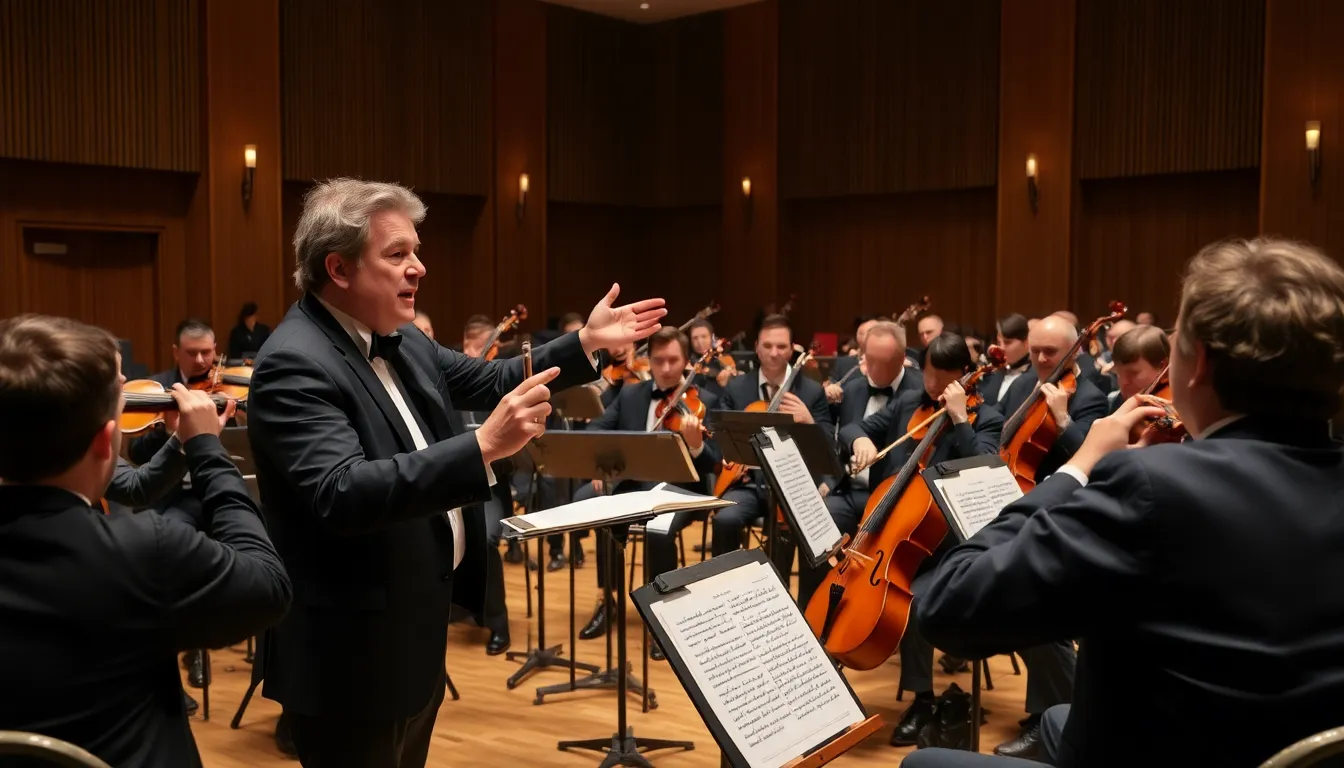
Common questions about Bychkov’s Mahler album
Key takeaways and future implications of Bychkov’s Mahler interpretations
Bychkov’s interpretations of Mahler’s symphonies stand as a significant contribution to the ongoing evolution of classical music recordings. His ability to blend emotional depth with technical precision invites listeners to experience these works in a new light. This album not only showcases the richness of Mahler’s compositions but also highlights Bychkov’s unique approach, which may inspire future conductors and orchestras to explore innovative interpretations of classical repertoire.
As the classical music landscape continues to evolve, Bychkov’s set may serve as a benchmark for both performance and recording standards. The critical acclaim received by this album suggests a renewed interest in Mahler’s works, potentially influencing programming choices in concert halls worldwide. Observers should remain attentive to how this release may shape future recordings and performances of Mahler’s symphonies, setting a high standard for artistic expression and orchestral collaboration.
- The emotional and technical balance achieved by Bychkov may redefine expectations for Mahler interpretations.
- Future orchestras may draw inspiration from Bychkov’s approach, leading to innovative performances of classical works.
- This album could spark a resurgence of interest in Mahler’s symphonies, influencing concert programming globally.
- Record labels may prioritize similar collaborative projects that emphasize artistic depth and precision.
- Listeners should anticipate a potential shift in how Mahler’s music is perceived and performed in the coming years.