
In 2023, the UK government announced additional funding for wildlife conservation programs aimed at further supporting the recovery of endangered species. This funding is expected to enhance monitoring efforts and facilitate community engagement in conservation activities, similar to initiatives observed in other conservation projects. As a result, local communities are becoming increasingly involved in protecting the habitats essential for the survival of the pine marten.
Wildlife experts note that the increase in pine marten populations may lead to more successful breeding in the wild. This is particularly important as the species had faced significant threats from habitat loss and hunting in previous decades. The current trend suggests that with continued support, pine martens could establish stable populations in areas where they were previously extirpated.
Conservationists emphasize the importance of public awareness and education in sustaining these efforts. By fostering a greater understanding of the ecological significance of pine martens, they hope to garner further support for conservation initiatives, much like the outreach seen in recent governance strategies discussed in fuel support programs. The positive outlook for pine martens serves as a reminder of the potential for wildlife recovery when communities and governments collaborate effectively.
Understanding the decline and recovery of pine marten populations
The pine marten, a small carnivorous mammal native to the UK, has experienced significant fluctuations in its population over the last century. Once widespread across the British Isles, the species faced severe decline due to habitat loss, hunting, and the expansion of agricultural land. By the mid-20th century, pine martens were nearly extinct in England and Wales, leading to a pressing concern for biodiversity and ecosystem health.

Historically, the pine marten was valued for its fur, which contributed to its decline as it was hunted extensively. Additionally, changes in land use, particularly during the agricultural revolution, resulted in the destruction of forests that served as vital habitats for these creatures. As a result, by the 1970s, conservationists recognized the urgent need to protect the remaining populations and initiated various recovery programs.
Conservation efforts and milestones
In the 1980s and 1990s, concerted conservation efforts began to take shape, focusing on habitat restoration and legal protection for the pine marten. The introduction of the Wildlife and Countryside Act 1981 provided a framework for their protection, while various wildlife organizations launched initiatives to monitor and bolster populations. One notable success was the reintroduction of pine martens to parts of England and Wales, where they had been extirpated.
Recent studies suggest that these conservation efforts are beginning to bear fruit, with increasing sightings of pine martens in areas where they were previously absent. The rise in their numbers has sparked hopes that more pine martens will be born in the wild, contributing to the overall health of ecosystems and enhancing biodiversity. However, challenges remain, including habitat fragmentation and the need for ongoing public support for conservation initiatives, similar to those highlighted in reports about environmental impacts in other sectors.
As communities become more aware of the importance of preserving native species, the future of the pine marten looks increasingly hopeful. The continued commitment to conservation and habitat restoration will be crucial in ensuring that these remarkable creatures thrive in their natural environments once again.
Key stakeholders involved in pine marten conservation efforts
The conservation of pine martens, a species crucial for maintaining ecological balance, involves a diverse array of stakeholders. These include government agencies, environmental organizations, local communities, and researchers. Each of these actors has distinct interests and motivations that shape their involvement in conservation efforts.
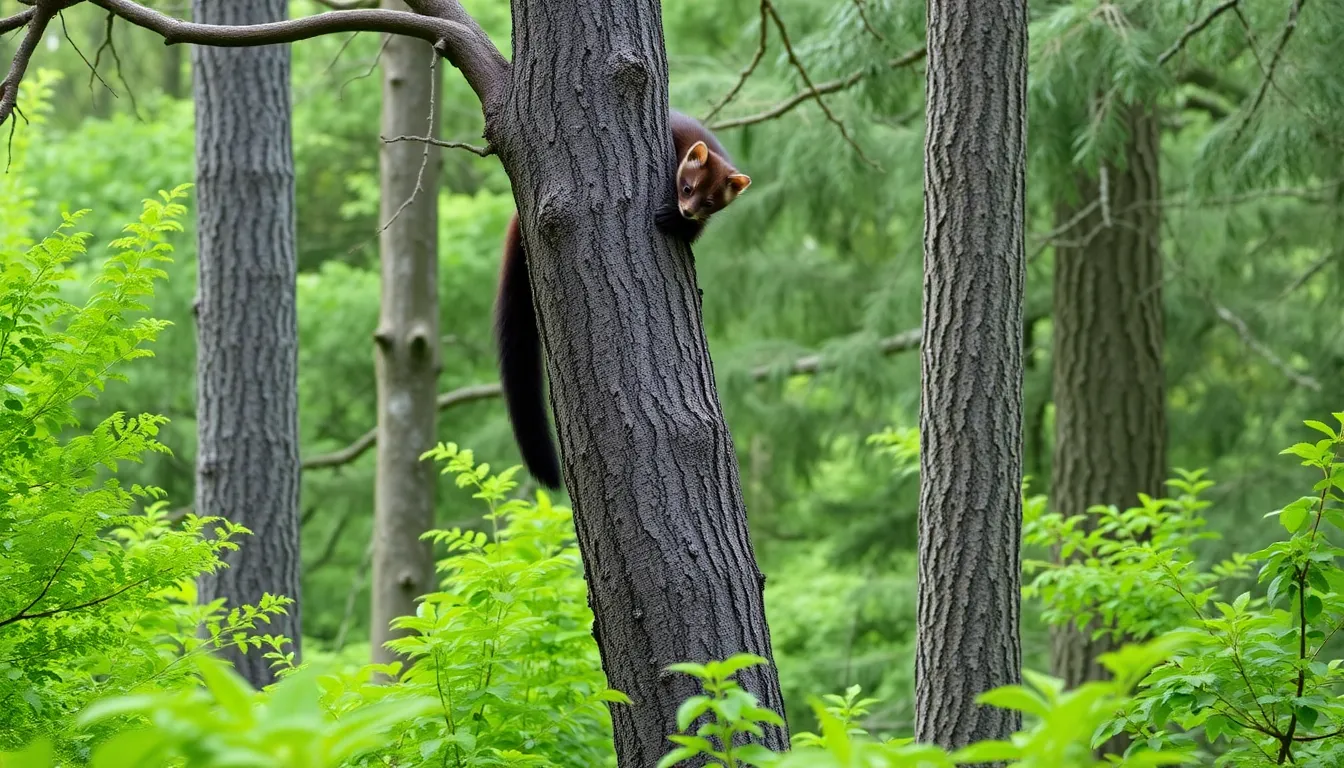
Government agencies, such as wildlife conservation departments, play a pivotal role in establishing policies and regulations that protect pine martens. Their primary interest lies in preserving biodiversity and ensuring the sustainability of ecosystems. However, they often face challenges in balancing conservation efforts with land use and development pressures.
Environmental organizations, including nonprofits and advocacy groups, are vital in raising awareness and mobilizing public support for pine marten conservation. Their interests typically focus on habitat preservation and species recovery. Conflicts may arise when these organizations advocate for stricter regulations that could impact local economies, particularly in rural areas reliant on forestry and agriculture.
- Local communities: Residents may have mixed feelings about pine marten conservation, as they can be viewed as both a natural asset and a potential threat to livestock.
- Researchers: Scientists studying pine martens are interested in understanding their ecological role and population dynamics, which can influence management strategies.
- Economic considerations: The balance between conservation and economic development is a key issue, as stakeholders must navigate the trade-offs between preserving wildlife and supporting local livelihoods.
Additionally, legal frameworks surrounding wildlife protection can create complexities in the conservation landscape. Laws aimed at protecting endangered species may conflict with land use regulations, leading to tensions among stakeholders. As the dialogue around pine marten conservation continues, it is essential for all parties to engage in collaborative efforts that consider both ecological and economic factors.
The ecological impact of more pine martens in their natural habitat
The resurgence of pine martens in the wild is expected to influence various groups, particularly local communities, conservationists, and industries reliant on forestry and tourism. Regions where pine martens are being reintroduced, such as parts of the UK and Ireland, are likely to see significant changes in their ecological dynamics.
In the short term, the presence of more pine martens could lead to increased biodiversity in forest ecosystems. This may benefit local tourism as nature enthusiasts seek to observe these elusive creatures in their natural habitat. However, there are also potential risks for small game populations, as pine martens are known predators of birds and small mammals.
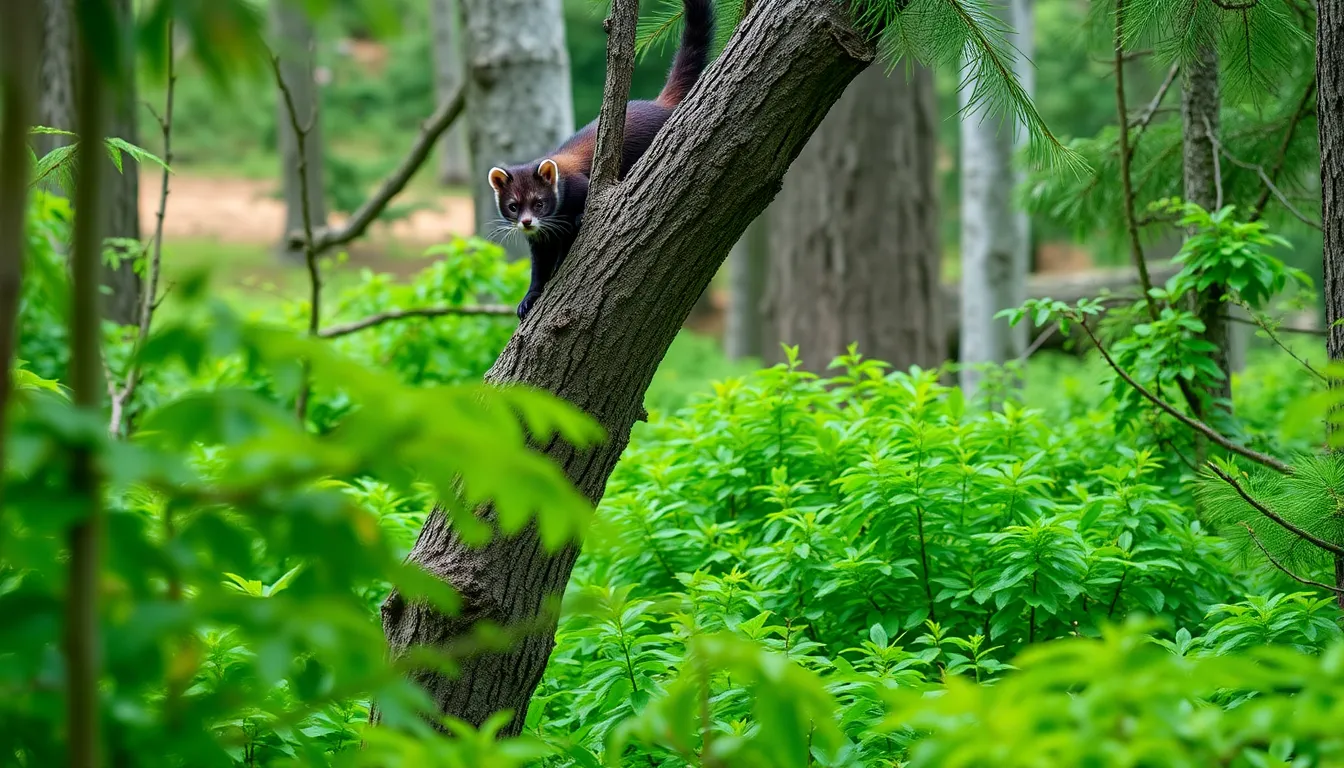
Mid-term impacts may include shifts in local policies regarding wildlife management and conservation efforts. As the pine marten population grows, businesses involved in forestry may need to adapt their practices to mitigate any negative effects on timber production. This could result in increased costs for some industries but also create opportunities for eco-friendly practices and sustainable forestry.
- Tourism Growth: Increased interest in wildlife tourism could boost local economies.
- Conservation Policies: Potential changes in regulations to protect pine martens and their habitats.
- Forestry Adjustments: Timber industries may need to adapt to the presence of pine martens.
- Biodiversity Benefits: Enhanced ecosystem health and resilience.
Overall, while the expansion of pine martens in the wild poses certain risks, it also opens up avenues for conservation, sustainable business practices, and increased community engagement in wildlife protection initiatives.
A: Pine martens are small, agile mammals that play a crucial role in forest ecosystems. They help control small rodent populations and contribute to biodiversity. A: Conservation programs involve habitat restoration, monitoring, and sometimes relocation of individuals to boost genetic diversity and population numbers. A: You can support local conservation groups, participate in wildlife surveys, and promote awareness about the importance of preserving natural habitats. A: Pine martens face threats from habitat loss, road accidents, and competition with other species. These challenges can hinder their recovery in some areas. A: Yes, in many regions, conservation efforts have led to a resurgence in pine marten populations, showcasing the effectiveness of dedicated wildlife management.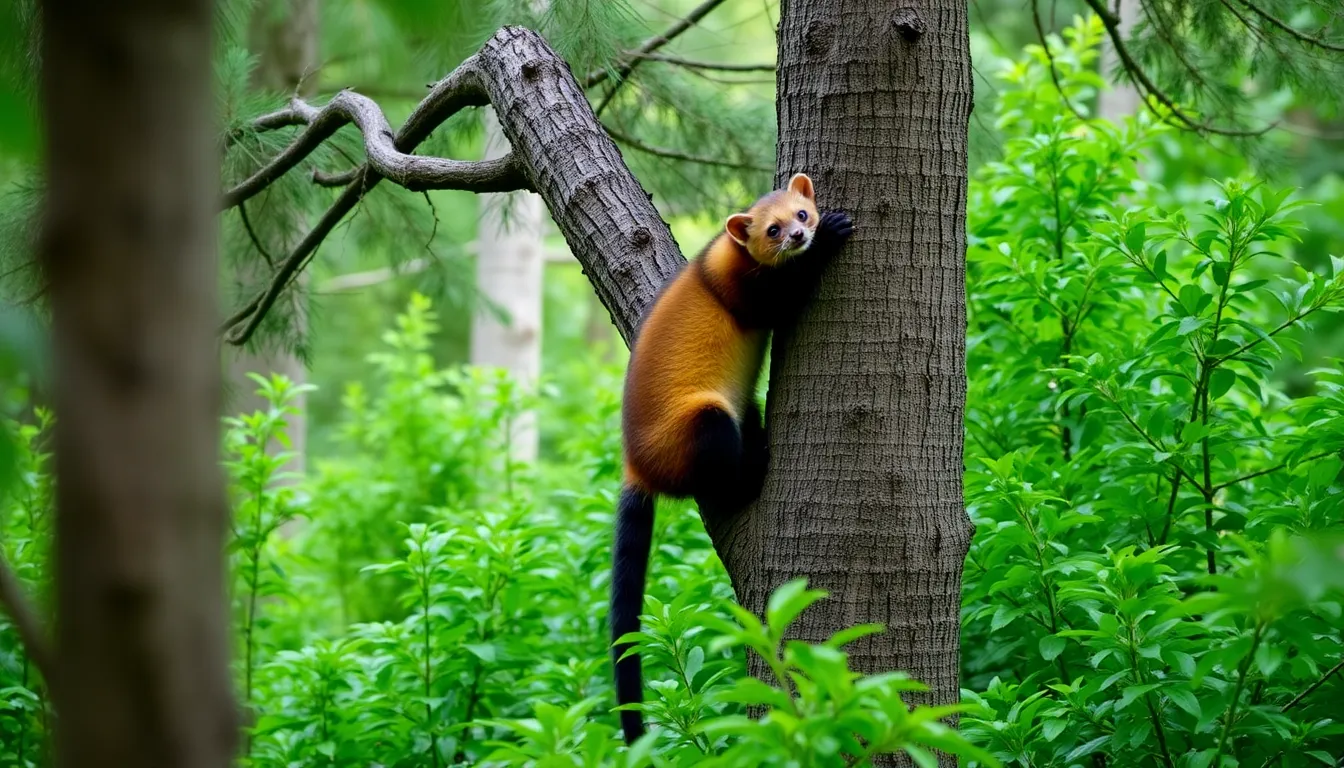
Frequently asked questions about pine martens
Future outlook for pine marten populations in the wild
The recent increase in pine marten sightings and breeding success in the wild signals a promising trend for the species. Conservation efforts, habitat restoration, and legal protections have played a crucial role in facilitating this resurgence. As awareness grows about the ecological importance of pine martens, continued support for their preservation is essential.
Looking ahead, the potential for further population growth hinges on several factors, including habitat connectivity, public engagement in conservation initiatives, and the impact of climate change. Monitoring these dynamics will be vital in ensuring that pine martens can thrive in their natural environments.
- Habitat connectivity: Ensuring that pine martens have access to diverse habitats will be critical for their long-term survival.
- Community involvement: Engaging local communities in conservation efforts can enhance awareness and support for pine marten populations.
- Climate impact: Observing how climate change affects the ecosystem will be important for adapting conservation strategies.
- Research and monitoring: Ongoing research will provide insights into population dynamics and health, guiding future conservation actions.