
Labrinth, known for his unique blend of genres and emotional depth in music, has emphasized the importance of respect in his professional relationships. In a recent interview, he stated, “I don’t let people treat me like s,” highlighting his commitment to maintaining his artistic integrity and the standards he sets for collaborations, similar to the themes discussed in exploring the Dazed Countrified Indie-Rock of Tracey Nelson.
The absence of Labrinth’s music from “Euphoria” Season 3 raises questions about the show’s musical direction and the potential impact on its overall atmosphere. His previous contributions played a pivotal role in shaping the series’ emotional landscape, making his exclusion a notable change for both fans and critics alike, particularly given how the soundtrack is integral to the show’s identity.
This development comes amidst ongoing discussions about the role of music in television and how it influences storytelling. As the premiere date approaches, audiences are left to speculate on how the show’s creators will fill the void left by Labrinth’s distinctive sound.
Background on Labrinth and Euphoria’s Musical Landscape
Labrinth, a British singer, songwriter, and record producer, has made significant strides in the music industry since his debut in 2014. His unique blend of R&B, electronic, and pop elements has garnered him a dedicated following and critical acclaim. His work has often been characterized by its emotional depth and innovative sound, which resonates well with audiences seeking authenticity in music. However, his recent comments regarding the absence of his music in the highly acclaimed HBO series ‘Euphoria’ have sparked discussions about artistic integrity and the complexities of collaboration in the entertainment industry.
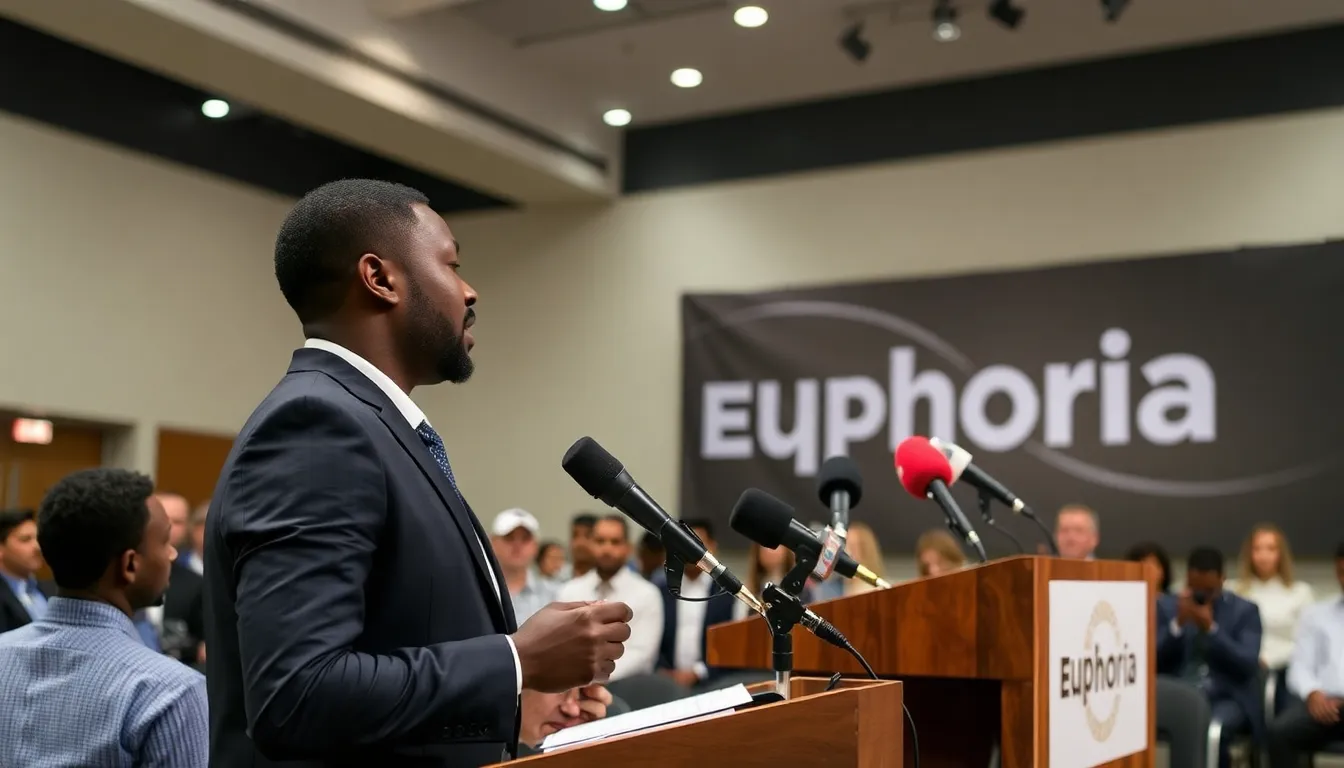
‘Euphoria’ has been a cultural phenomenon since its premiere in 2019, known for its raw portrayal of adolescence, mental health, and the complexities of modern life. The show’s soundtrack plays a crucial role in shaping its narrative, featuring a mix of emerging artists and established names. Labrinth contributed significantly to the show’s first two seasons, providing a sound that complemented its intense emotional landscape. However, as the series progresses into its third season, Labrinth’s exclusion from the soundtrack raises questions about the dynamics between artists and producers in the creative process.
The decision to not include Labrinth’s music in ‘Euphoria’ Season 3 appears to stem from a desire for creative control. In recent interviews, Labrinth has expressed his reluctance to compromise his artistic vision and the importance of maintaining respect in professional relationships, a sentiment echoed in discussions surrounding the connection between the moon and music in space.
The Evolution of Artist-Producer Relationships
The relationship between artists and producers has evolved significantly over the years, with many artists now seeking to assert their independence. Historically, producers held significant power in shaping an artist’s sound and career trajectory, often leading to conflicts over creative direction. As the industry landscape changes, artists like Labrinth are increasingly vocal about their experiences and the need for mutual respect in collaborations. This evolution is indicative of a larger movement within the entertainment industry, where artists are reclaiming agency over their work and pushing back against traditional power dynamics.
Exploring the Reasons Behind Labrinth’s Decision
Labrinth, the British musician and producer, recently made headlines with his decision not to include his music in the upcoming season of HBO’s ‘Euphoria.’ This choice has sparked discussions among fans and industry insiders alike, raising questions about the underlying factors that influenced his stance.
One of the main actors in this scenario is Labrinth himself, who has a vested interest in maintaining creative control over his work. His decision reflects a broader trend among artists who wish to protect their artistic integrity and avoid being pigeonholed by commercial projects. This desire for autonomy can often lead to conflicts with producers and networks that prioritize marketability.

Additionally, HBO, as the network behind ‘Euphoria,’ has its own interests in curating a soundtrack that resonates with its audience. The show has become a cultural phenomenon, and the music featured plays a significant role in shaping its identity. This creates a trade-off between artistic expression and commercial success, as the network may seek to include music that aligns with the show’s themes, even if it means not collaborating with certain artists.
Key issues surrounding this decision can be summarized as follows:
- Artistic Integrity: Labrinth’s commitment to his artistic vision may lead him to reject opportunities that compromise his values.
- Commercial Interests: HBO’s need for a commercially viable soundtrack may conflict with the creative choices of individual artists.
- Industry Dynamics: The relationship between artists and networks can often be strained, as each party has differing priorities.
- Fan Expectations: The audience’s attachment to artists and their music can create pressure for both the artist and the network.
- Future Collaborations: Labrinth’s decision may impact potential future collaborations with HBO or similar networks.
In summary, Labrinth’s choice not to participate in ‘Euphoria’ Season 3 highlights the complex interplay between artistic expression, commercial interests, and industry dynamics. As the music and entertainment landscape continues to evolve, understanding these factors will be crucial for artists navigating their careers.
Potential Impact on Fans and the Show’s Soundtrack
The decision by Labrinth to not include his music in the upcoming season of ‘Euphoria’ may significantly affect various groups, particularly the show’s dedicated fanbase. Fans who have come to associate Labrinth’s unique sound with the emotional depth of the series may feel a sense of disappointment. This could lead to a broader conversation about the importance of artist autonomy in creative collaborations.
In the music industry, this situation highlights the delicate balance between artistic integrity and commercial opportunities. Labels, producers, and other artists may take note of Labrinth’s stance, which could inspire them to prioritize their own artistic vision over market pressures. This could potentially shift the dynamics of how music is curated for television, leading to a more diverse soundtrack landscape.
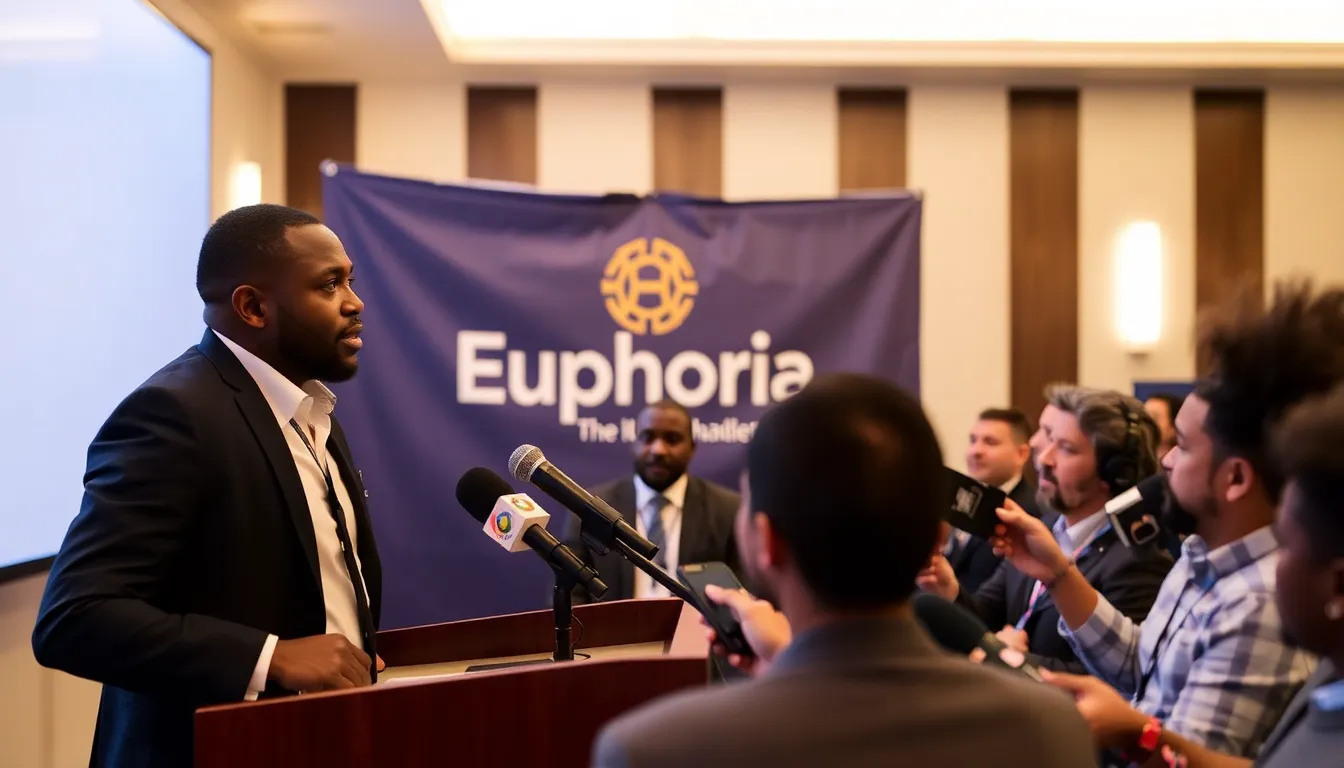
For the television industry, particularly for shows like ‘Euphoria’ that rely heavily on music to set the tone, Labrinth’s absence may necessitate a reevaluation of the soundtrack strategy. The show may need to explore new artists or genres, which could either enhance its musical appeal or risk alienating its current audience. This shift could have mid-term implications for how music is integrated into storytelling in future productions.
- Short-term risks: Potential backlash from fans and decreased engagement with the show.
- Mid-term opportunities: Introduction of new artists that could diversify the show’s musical identity.
- Industry impact: A shift in how music rights and artist collaborations are negotiated in television.
Ultimately, Labrinth’s decision may serve as a catalyst for broader discussions about the relationship between artists and the platforms that showcase their work. As fans and industry professionals digest this news, it may lead to a more nuanced understanding of the complexities involved in music licensing and creative freedom.
A: Labrinth chose not to include his music in Euphoria Season 3 to maintain his personal boundaries and self-respect in the industry. A: Labrinth emphasizes the importance of self-worth and not compromising his values for commercial success. A: His music was well-received in earlier seasons, contributing significantly to the show’s emotional depth. A: While he hasn’t ruled it out, Labrinth’s current stance indicates he will prioritize his own artistic integrity. A: His choice highlights a growing trend among artists to prioritize personal values over commercial pressures.
Frequently Asked Questions about Labrinth and Euphoria
Key Takeaways and Future Directions for Labrinth
Labrinth’s decision to step away from contributing to the soundtrack of ‘Euphoria’ Season 3 highlights his commitment to artistic integrity and personal boundaries. By prioritizing his own creative vision over external pressures, he sets a precedent for other artists in the industry. This choice not only reflects his individual values but also opens up discussions about the importance of self-respect in collaborative environments.
As Labrinth continues to navigate his career, his stance may influence how artists approach their involvement in major projects. Observers should keep an eye on how this decision impacts both his future works and the broader landscape of music in television, where the balance between artistic freedom and commercial expectations remains a critical conversation.
- Artists may feel empowered to assert their creative boundaries, leading to more authentic collaborations.
- Future projects may see a shift in how artists negotiate their contributions, prioritizing personal vision over commercial gain.
- Labrinth’s approach could inspire discussions on mental health and self-respect within the entertainment industry.
- Fans and industry insiders should watch for how this decision shapes Labrinth’s upcoming music and collaborations.
- The evolving relationship between artists and producers may redefine soundtracks in popular media.