
The Chagos Islands have been a point of contention for decades, particularly due to the U.K.’s decision in the 1960s to remove the indigenous population to establish a military base for the United States. The recent deal aimed to address some of the historical grievances, but the backlash from Trump has prompted the U.K. government to reassess its position. For those interested in the broader implications of geopolitical tensions, you can explore more about related issues with fuel support deals.
Key stakeholders in this situation include the U.K. Foreign Office and various human rights organizations advocating for the rights of the Chagossians. The pause in negotiations reflects the complexities of international relations, particularly concerning military alliances and colonial histories.
This development is significant as it highlights the ongoing tensions between the U.K. and the U.S. regarding military strategy and territorial rights. Observers note that the outcome of this pause could influence future diplomatic relations and the fate of the Chagossian people.
Understanding the historical context of the Chagos Islands
The Chagos Islands, a group of over 60 islands in the Indian Ocean, have been a focal point of geopolitical tension since the mid-20th century. In the 1960s, the United Kingdom, which had sovereignty over the islands, made a controversial decision to depopulate the native Chagossian people to establish a military base on Diego Garcia, the largest island in the archipelago. This action was part of a broader strategy during the Cold War to secure military footholds in strategic locations.
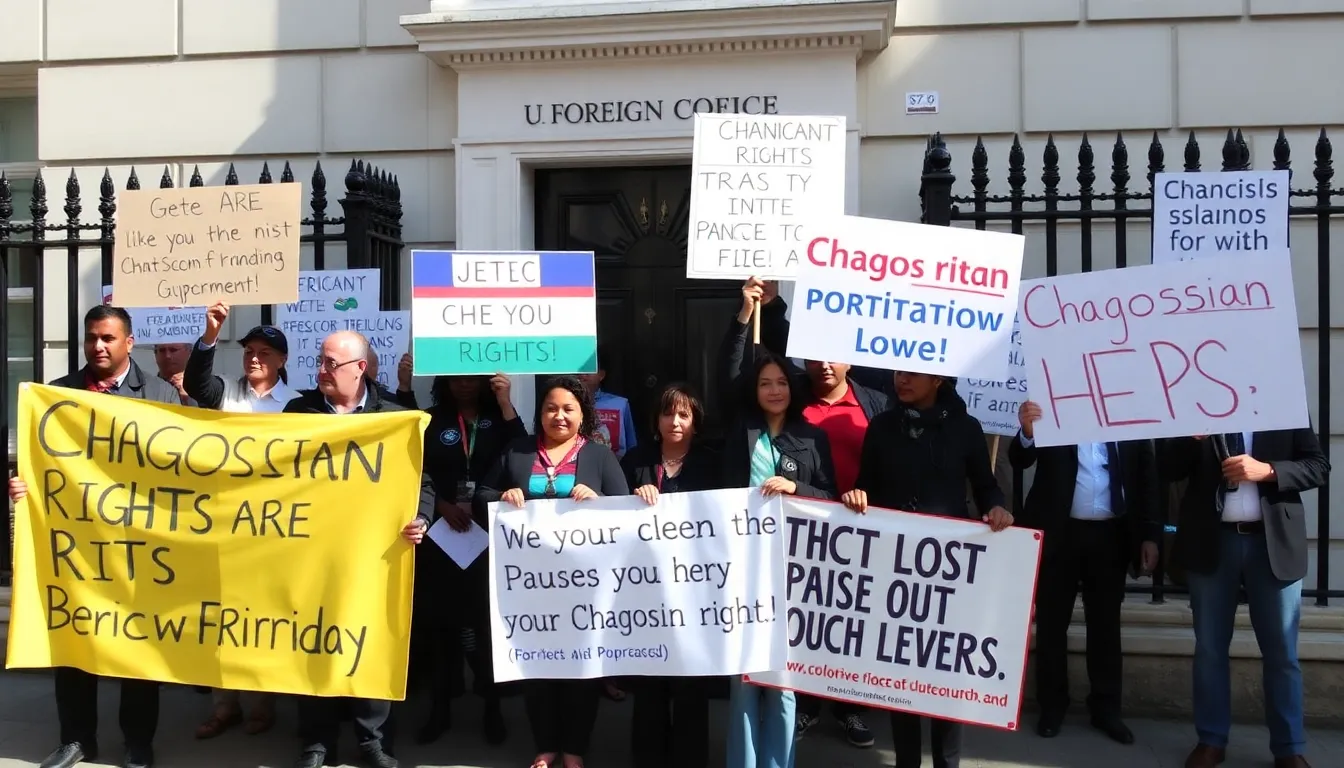
The U.S. and U.K. governments reached an agreement in 1966 to build a military base on Diego Garcia, which has since become a critical hub for U.S. operations in the region. The displacement of the Chagossians, who were forcibly removed from their homes, has led to ongoing legal battles and claims for restitution. The United Nations has repeatedly criticized the U.K. for its handling of the situation, emphasizing the need for the rights of the Chagossians to be acknowledged and addressed.
Political Implications and Recent Developments
In recent years, the political landscape surrounding the Chagos Islands has evolved, particularly with the rise of international scrutiny over colonial legacies and indigenous rights. The U.K. government’s decision to put the Chagos Islands deal on hold following criticism from former U.S. President Donald Trump highlights the complex interplay between domestic politics and international relations. Trump’s administration had expressed interest in the strategic military value of the islands, which added another layer of complexity to the ongoing negotiations, similar to the Irish fuel support deal under current scrutiny.
The criticism from Trump and the subsequent U.K. response underscores the delicate balance the British government must maintain between fulfilling its international obligations and addressing the historical injustices faced by the Chagossians. This situation reflects broader themes of post-colonial accountability and the ongoing struggle for indigenous rights, as the Chagossians continue to advocate for their right to return to their homeland.
As the U.K. navigates this contentious issue, the future of the Chagos Islands remains uncertain, with potential implications for international law, military strategy, and the rights of indigenous peoples. The ongoing dialogue around the islands serves as a reminder of the lasting impact of colonialism and the need for comprehensive solutions that respect the voices of those affected by historical injustices.
Key stakeholders and issues surrounding the Chagos Islands
The ongoing situation regarding the Chagos Islands involves several key stakeholders, each with distinct interests and perspectives. The primary actors include the United Kingdom government, the United States government, the Chagossian people, and various international organizations advocating for human rights and territorial integrity.
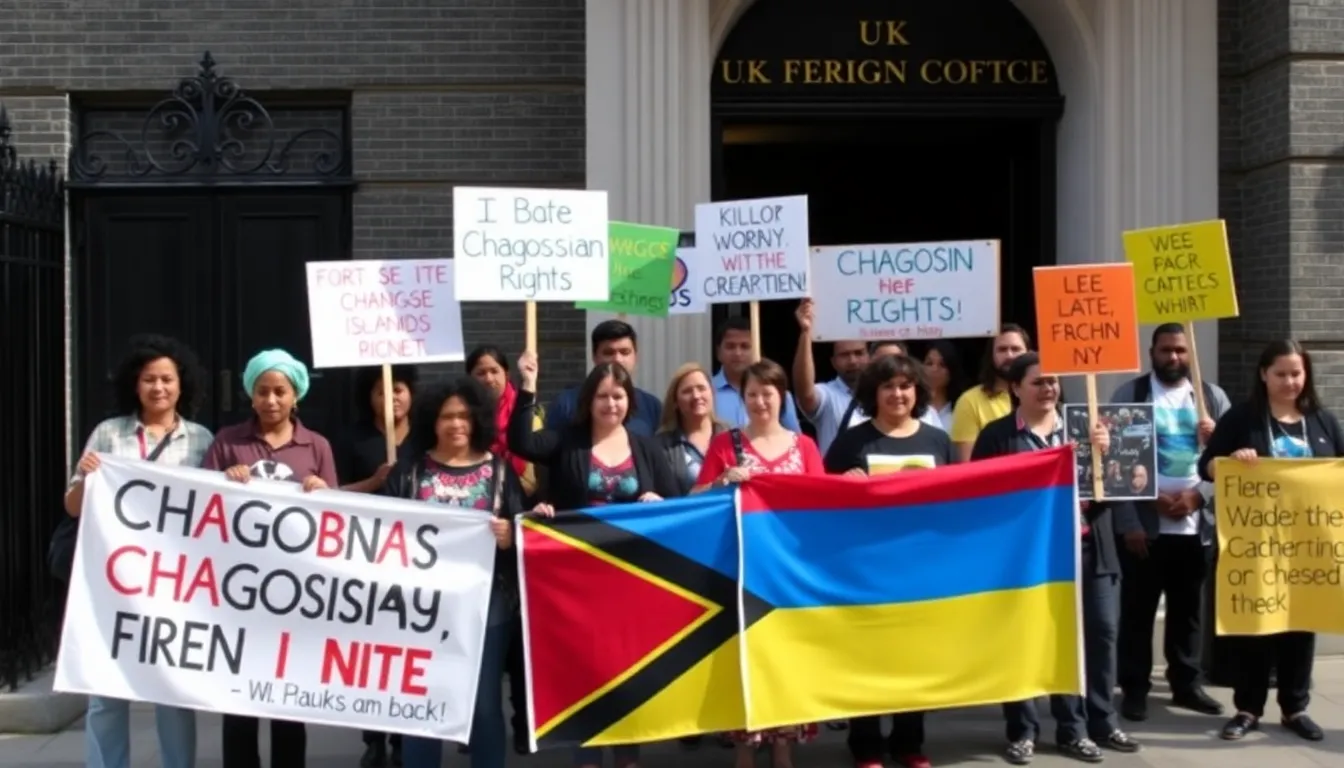
The United Kingdom, as the administering power of the Chagos Islands, has strategic military interests in the region, particularly regarding the Diego Garcia naval base. This base is critical for U.S. military operations, which ties the U.K.’s interests closely to those of the United States. The recent criticism from former President Trump has added a layer of complexity to the negotiations, as the U.S. may exert influence over the U.K.’s decisions regarding the future of the islands.
The Chagossian people, who were forcibly removed from their homeland in the 1960s and 1970s, are advocating for their right to return and seek reparations for their displacement. Their plight has garnered significant attention from human rights organizations, which argue that the U.K. government’s actions violate international law and standards of justice. This situation is not dissimilar to the recent developments regarding oil prices, including the statements made by Abu Dhabi oil chiefs about the closure of vital routes, as reported in international news.
- Legal Issues: The U.K. faces potential legal challenges regarding its sovereignty over the islands and the treatment of the Chagossian people.
- Economic Considerations: The financial implications of any deal, including compensation for the Chagossians and the maintenance of military facilities, are significant.
- Geopolitical Factors: The relationship between the U.K. and U.S. is crucial, as any decision may affect military alliances and international relations.
- Public Opinion: Growing public and political pressure in the U.K. to address historical injustices could influence government policy.
As these stakeholders navigate their interests, the situation remains fraught with tension, highlighting the broader implications of colonial legacies and the complexities of international diplomacy.
Potential impacts on the local population and international relations
The decision to put the Chagos Islands deal on hold is likely to affect several groups, including the local population of the Chagossians, businesses involved in tourism and fishing, and diplomatic relations between the U.K. and other nations. The Chagossians, who were forcibly removed from their homeland in the 1960s and 1970s, have long sought the right to return, and this decision could further complicate their aspirations.
In the short term, the local population may experience a continuation of their displacement, which can exacerbate feelings of disenfranchisement and lead to increased social tensions. Businesses that rely on the Chagos Islands for fishing and potential tourism opportunities will also feel the impact, as uncertainty surrounding the deal may deter investment and hinder development plans.
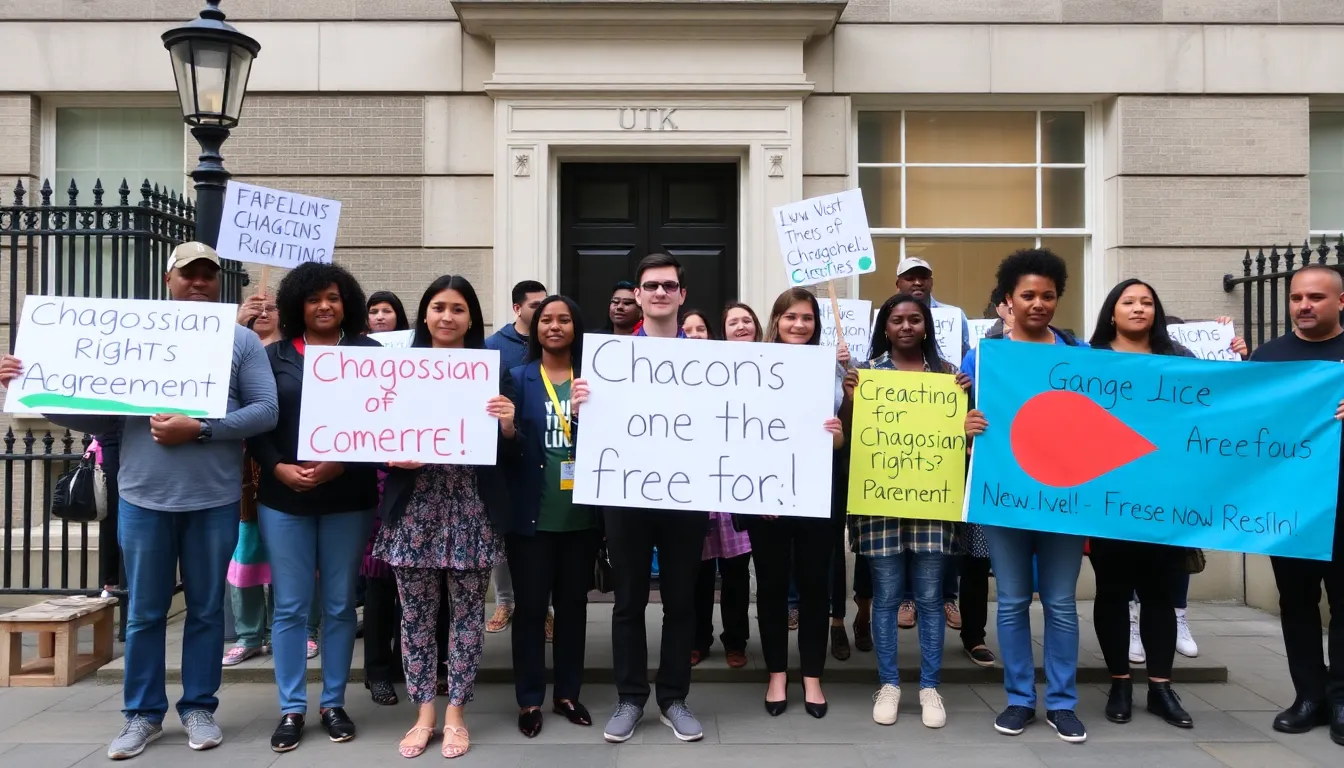
In the mid-term, the hold on the deal could affect U.K. foreign policy, particularly in its relations with the United States and other nations that have interests in the Indian Ocean region. The criticism from former President Trump may lead to a reevaluation of the U.K.’s strategic partnerships, impacting military and economic cooperation.
- Risks: Continued displacement of Chagossians, potential loss of business opportunities, strained international relations.
- Opportunities: Increased advocacy for Chagossian rights, potential for new diplomatic negotiations, and renewed focus on sustainable tourism and fishing practices.
Ultimately, the decision to halt the deal not only affects the local population but also reverberates across various industries and international relations, highlighting the complex dynamics at play in this region.
A: The U.K. has delayed the deal due to criticism from former President Trump, who raised concerns about the implications of the agreement. A: The Chagos Islands are a group of islands in the Indian Ocean, which have been a point of contention due to their strategic military importance and the displacement of local inhabitants. A: Trump’s criticism may influence the U.K.’s approach to international negotiations, particularly in relation to its former colonies and territories. A: The delay could prolong the uncertainty for the residents, many of whom have been advocating for their rights to return to the islands. A: The dispute dates back to the 1960s when the U.K. removed the islanders to establish a U.S. military base, leading to ongoing legal and humanitarian issues.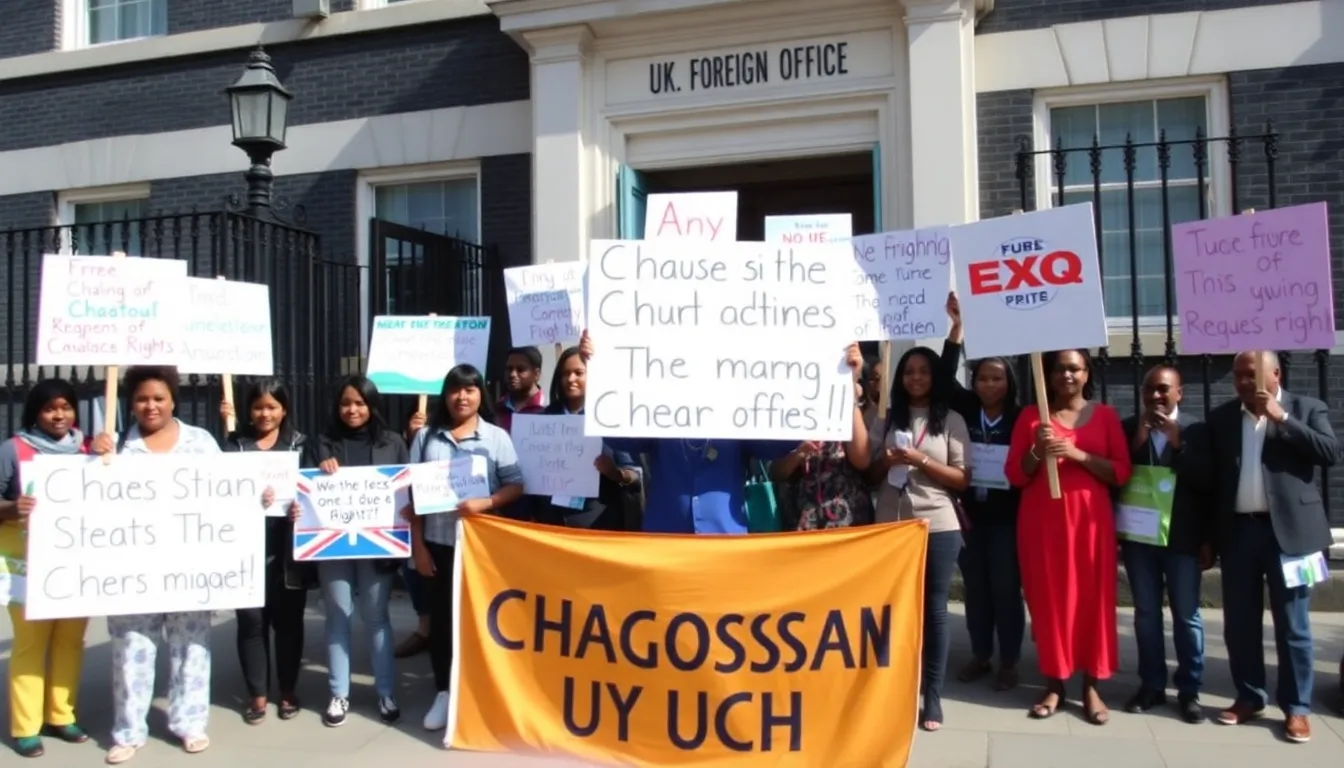
Frequently asked questions about the Chagos Islands deal
Looking ahead: implications of the deal’s delay
The decision to pause the Chagos Islands deal in response to criticism from former President Trump highlights the complexities of international relations and the influence of domestic politics on foreign policy. This situation not only affects the U.K.’s diplomatic standing but also raises questions about the long-term future of the Chagos Islands and their inhabitants.
As the U.K. navigates this challenging landscape, stakeholders must consider the potential ramifications for both regional stability and international partnerships. The evolving geopolitical dynamics may lead to further scrutiny of the U.K.’s commitments and how they align with broader strategic interests.
- Watch for shifts in U.S.-U.K. relations as the Biden administration may take a different stance on the Chagos Islands.
- Monitor the response from Chagossian communities and advocacy groups, which may intensify calls for justice and recognition.
- Consider the implications for military operations in the Indian Ocean, particularly regarding U.S. access to bases on the islands.
- Stay alert to potential legal challenges or negotiations that may arise from the deal’s suspension.
- Observe how this situation might influence other territorial disputes and decolonization efforts globally.