
With the tournament set to air on various streaming platforms, including YouTube and Twitch, viewers can expect high-quality broadcasts that highlight the intense gameplay and strategic depth of League of Legends.
The KeSPA Cup not only serves as a competitive event but also plays a crucial role in shaping the landscape of Korean esports. It provides teams with valuable experience and a chance to refine their strategies ahead of the upcoming professional season, making it a critical stop for those looking to make their mark in the competitive scene.
The excitement surrounding the tournament reflects the growing popularity of esports in Korea and globally, underscoring the significance of events like the KeSPA Cup in promoting the League of Legends community.
Understanding the significance of the KeSPA Cup in esports
The KeSPA Cup, organized by the Korea e-Sports Association (KeSPA), has been a pivotal event in the competitive gaming landscape since its inception, serving as a platform for both emerging and established teams to showcase their skills in League of Legends, one of the most popular multiplayer online battle arena (MOBA) games worldwide.
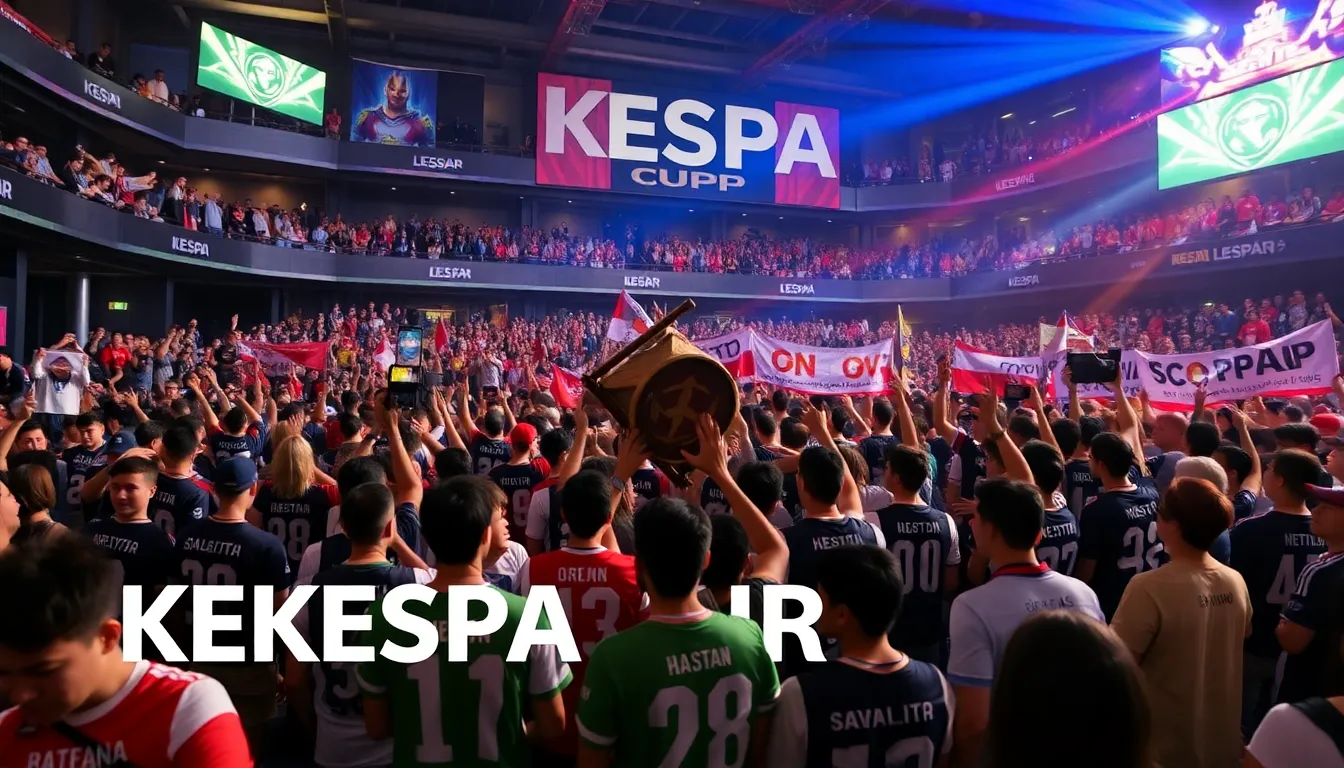
Historically, South Korea has been at the forefront of the esports movement, with a rich culture surrounding competitive gaming that dates back to the early 2000s. The rise of professional gaming leagues, coupled with the increasing viewership of esports events, has positioned South Korea as a global hub for competitive gaming. The KeSPA Cup, first held in 2015, has contributed to this narrative by providing a structured tournament that attracts top-tier talent and engages a passionate fanbase.
Economically, the KeSPA Cup has had a significant impact on the esports industry in South Korea. It has not only generated revenue through sponsorships and advertising but has also provided opportunities for players to gain recognition and secure lucrative contracts with professional teams. The tournament’s success has encouraged investment in esports infrastructure, including training facilities and streaming platforms, further solidifying South Korea’s status as a leader in the global esports arena.
Milestones in the Evolution of the KeSPA Cup
Over the years, the KeSPA Cup has witnessed several key milestones that highlight its importance. The introduction of new formats and prize pools has attracted a diverse range of competitors, while partnerships with major brands have enhanced the tournament’s visibility. Notable moments, such as the emergence of rookie players who later became stars in the professional scene, have also underscored the tournament’s role in shaping the future of esports. As the KeSPA Cup continues to evolve, it remains a cornerstone of competitive gaming in South Korea and a source of inspiration for aspiring players worldwide.
Key stakeholders involved in the KeSPA Cup and their roles
The KeSPA Cup, a prominent tournament in the competitive gaming landscape, involves several key stakeholders, each with distinct interests and influences. These stakeholders include game developers, esports organizations, players, sponsors, and the audience. Understanding their roles and interactions is crucial for grasping the broader implications of the event.
At the forefront are the game developers, particularly Riot Games, which oversees the League of Legends franchise. Their primary interest lies in promoting the game and enhancing its competitive scene. By organizing events like the KeSPA Cup, they aim to engage the community, increase player participation, and drive revenue through in-game purchases and merchandise.
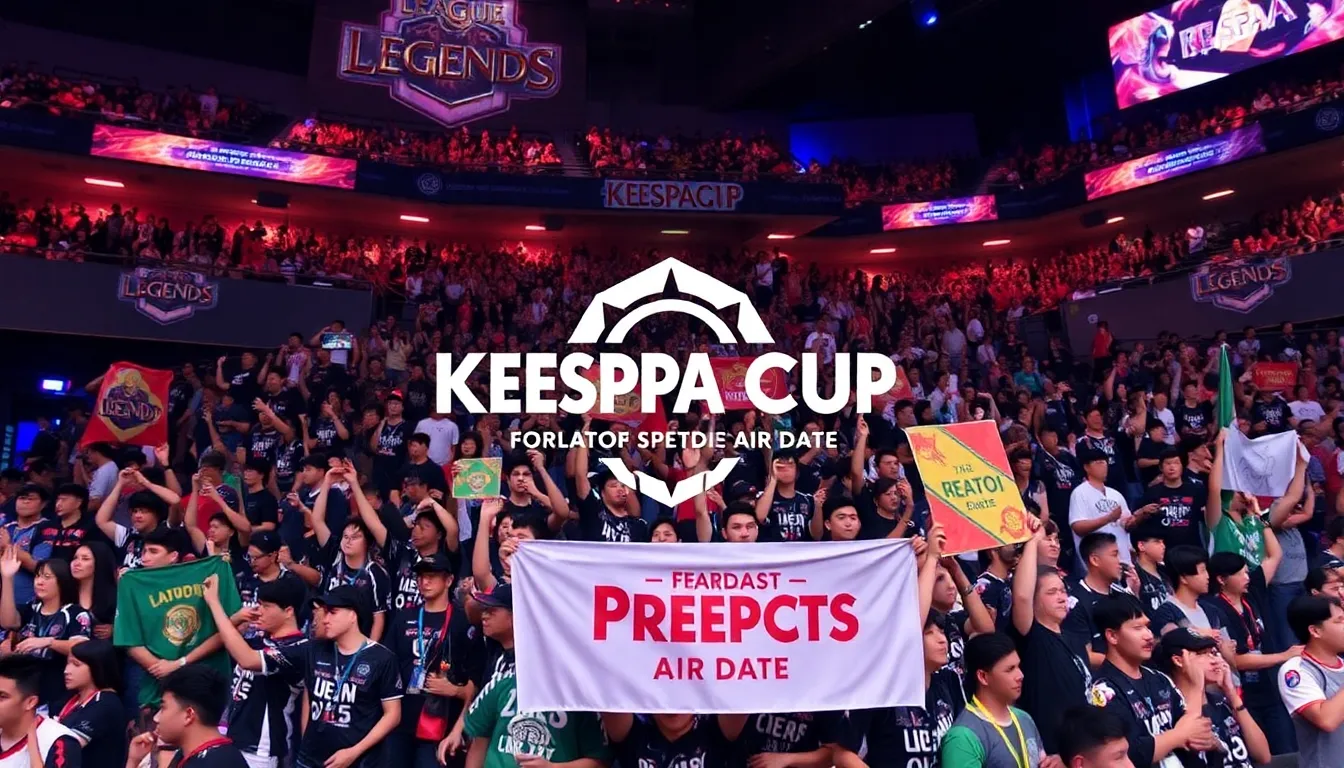
Esports organizations play a vital role as they recruit and manage professional players. Their interests often revolve around securing sponsorship deals, building brand recognition, and achieving success in tournaments. Conflicts may arise when organizations prioritize short-term gains, such as immediate sponsorship revenue, over long-term player development and team stability.
- Players: Professional players seek recognition, financial rewards, and career longevity. Their performance in tournaments can significantly impact their marketability and future opportunities.
- Sponsors: Companies that invest in the event look for visibility and brand alignment with the gaming community. Their involvement can shape tournament structures and promotional strategies.
- Viewers: The audience’s preferences can influence the format and scheduling of the tournament. Engaging content and convenient viewing times are critical to maintaining viewer interest.
Legal and economic issues also come into play, particularly regarding player contracts, sponsorship agreements, and broadcasting rights. Disputes over intellectual property rights and revenue sharing models can create tension among stakeholders. As the esports industry continues to grow, these conflicts may become more pronounced, necessitating clear regulations and agreements to ensure a fair and sustainable environment for all involved.
How the KeSPA Cup impacts the League of Legends community
The announcement of the KeSPA Cup air date is set to reverberate throughout various sectors, particularly within the gaming and esports industries. Fans, players, and teams will be directly affected, as the tournament not only showcases top-tier gameplay but also influences the broader ecosystem surrounding League of Legends.
In the short term, viewers can expect a surge in engagement with the League of Legends community. Streaming platforms and social media channels will likely see increased traffic as fans flock to catch live matches and discuss strategies. This heightened interest can lead to a boost in advertising revenue for platforms hosting the event, creating immediate financial benefits for those involved in the esports industry.
Moreover, businesses that cater to gamers, such as merchandise retailers and gaming cafes, may experience an uptick in sales as fans purchase team apparel or gather to watch matches together. However, there are risks associated with this increased visibility; if teams underperform, it could lead to a decline in viewer interest and sponsorship opportunities in the mid-term.
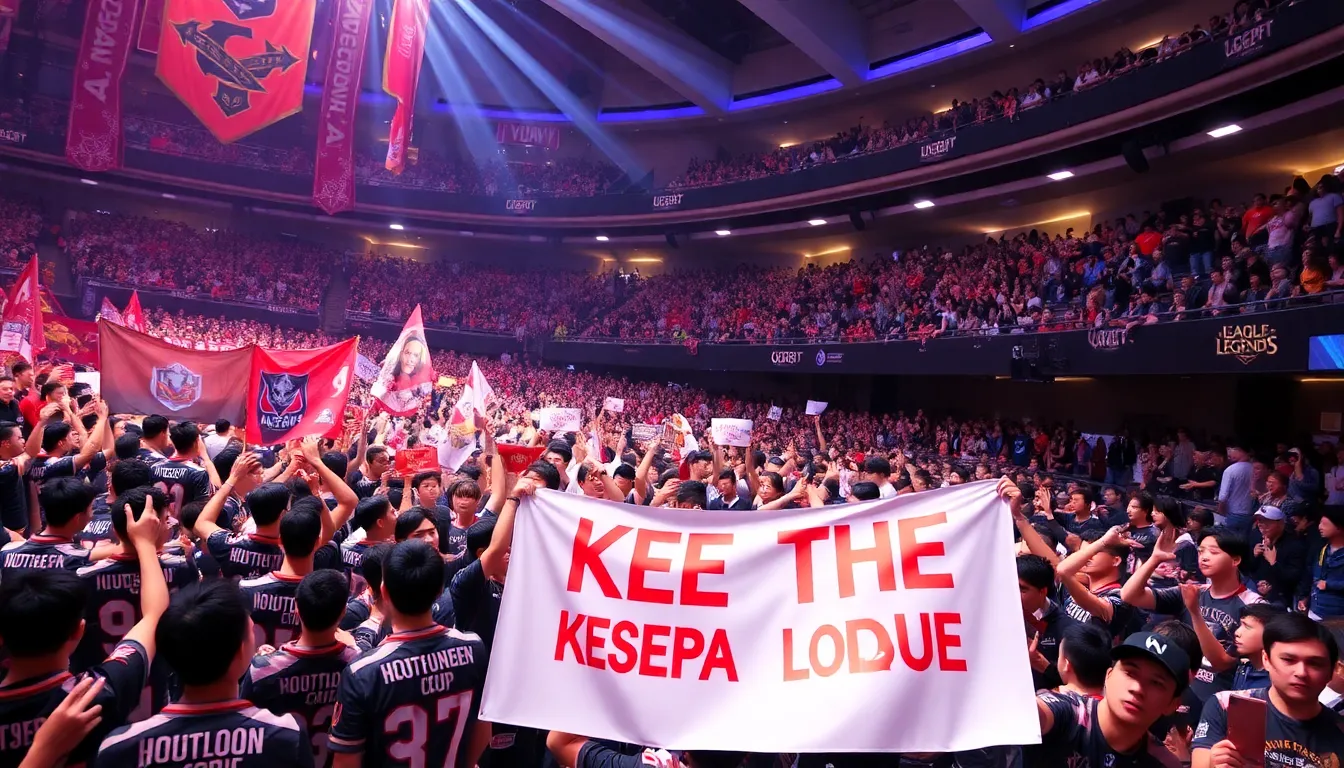
- Opportunities: Increased merchandising and advertising revenue.
- Risks: Potential decline in viewer interest based on team performance.
- Community Engagement: Greater interaction among fans and players.
On a broader scale, the KeSPA Cup can also impact regional economies, particularly in areas where esports events are hosted. Local businesses may benefit from increased foot traffic, while tourism can see a boost if fans travel to attend the event. Conversely, if the tournament faces logistical challenges or underwhelming viewership, it could negatively affect local economies that rely on such events for revenue.
A: The KeSPA Cup is set to air on the announced date, which fans can find on the official League of Legends website. A: Fans can watch the KeSPA Cup through various streaming platforms that broadcast esports events, including Twitch and YouTube. A: The tournament features top teams from the Korean League of Legends scene, showcasing the best talent in the region. A: Yes, the KeSPA Cup includes a prize pool that rewards the top teams based on their performance throughout the tournament. A: The tournament is expected to feature special events and promotions, enhancing the viewing experience for fans.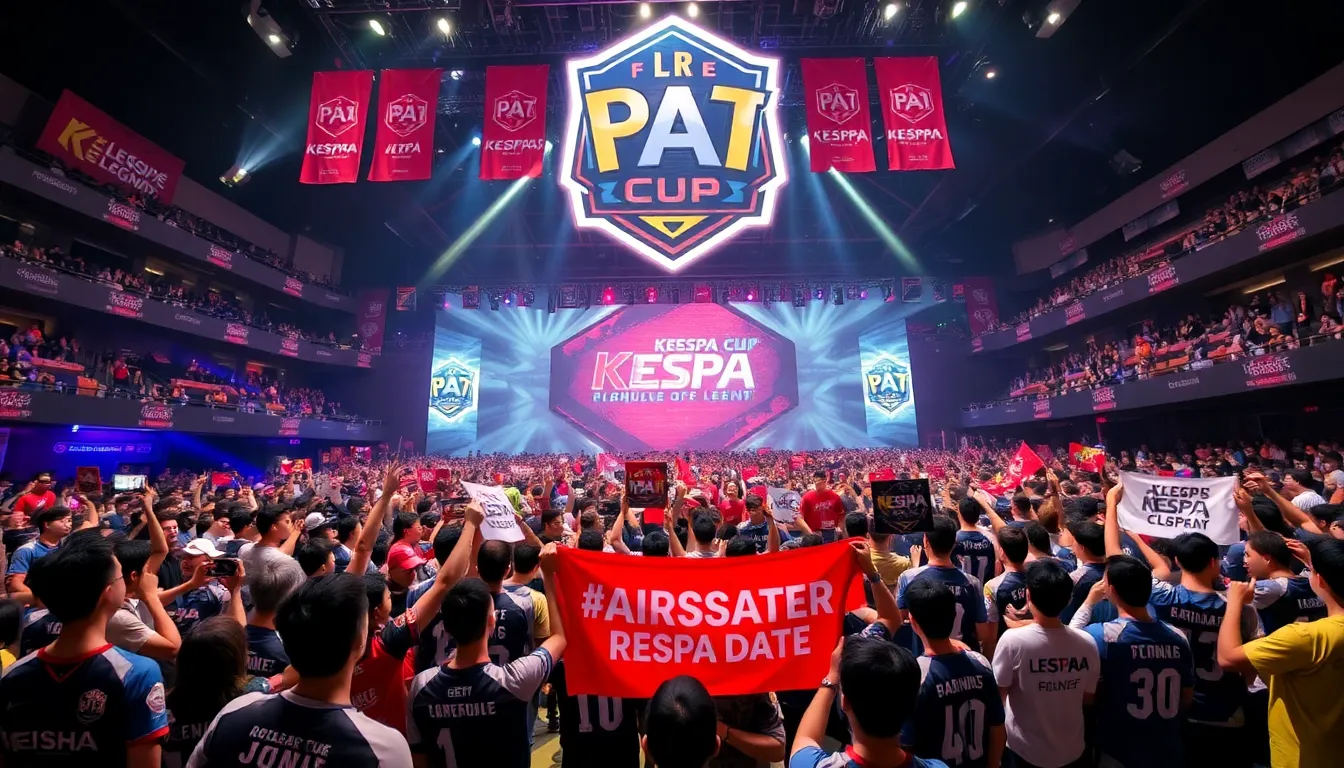
Frequently asked questions about the KeSPA Cup
Key takeaways and future outlook for the KeSPA Cup
The announcement of the KeSPA Cup air date marks a significant moment for both fans and players in the League of Legends community. As teams prepare to showcase their skills, the tournament promises to be a pivotal event in the esports calendar. Observers should pay attention to the emerging strategies and team dynamics that will unfold during the matches, as they can set the stage for the upcoming competitive season.
Moreover, the KeSPA Cup serves as a platform for new talent to shine, offering opportunities for lesser-known players to make their mark. This could lead to shifts in team compositions and potentially influence roster decisions ahead of major leagues. Fans and analysts alike should be on the lookout for standout performances that may alter the landscape of professional League of Legends.
- The KeSPA Cup will provide insights into team strategies and adaptations as they face off against one another.
- Expect to see emerging talents who could impact team dynamics and future roster decisions.
- Viewership trends during the tournament may inform the esports community about fan engagement and preferences.
- Keep an eye on how established teams respond to the challenges posed by newer squads.
- The outcomes of matches could influence the trajectory of teams heading into the next competitive season.