
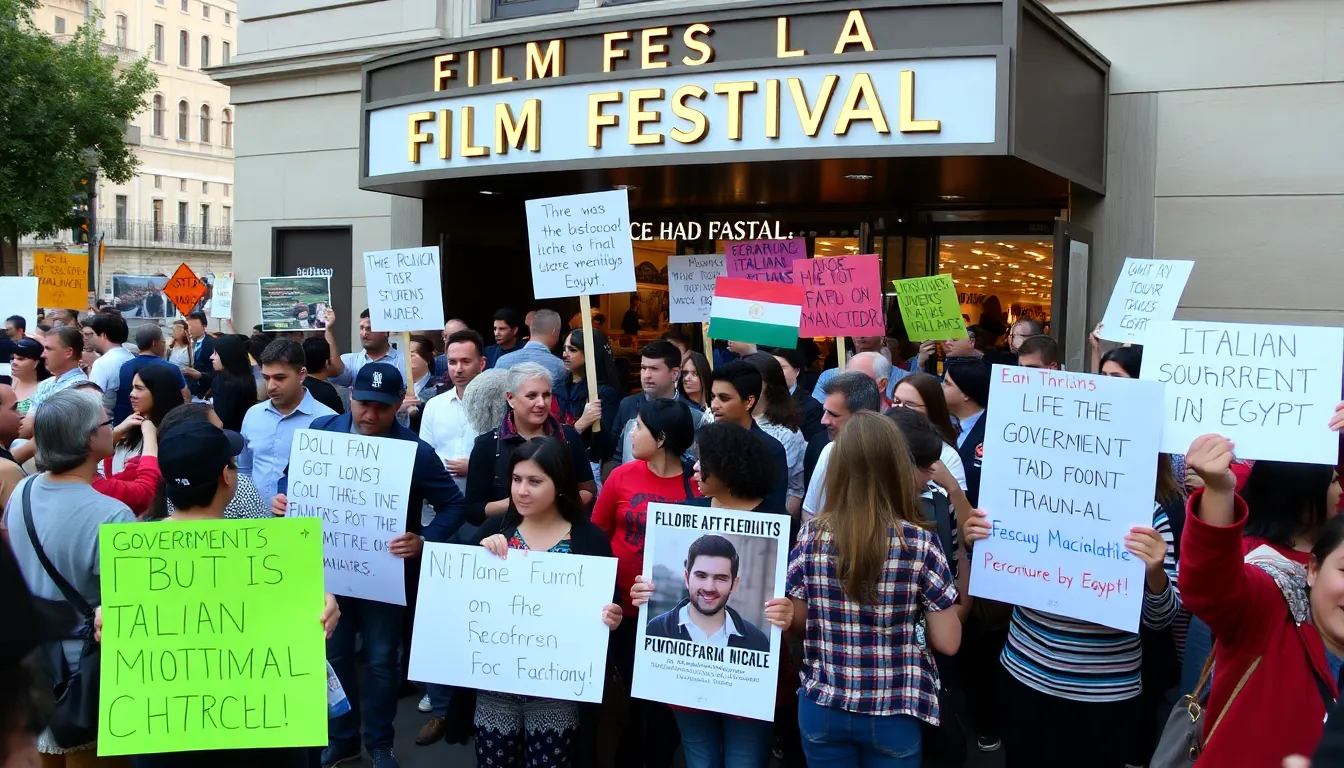
On October 15, 2023, the documentary premiered at a prominent film festival, drawing attention not only for its content but also for its controversial funding issues. Critics argue that the government’s refusal to support the project reflects a broader trend of censorship and suppression of dissenting voices within the arts, which can be further explored in our article on censorship in the arts.
Key political figures, including members of the Italian left, have condemned the funding denial, claiming it undermines the importance of addressing historical injustices. They assert that the documentary serves as a vital tool for education and awareness regarding human rights violations, particularly in the context of international relations.
In response to the backlash, the government has defended its decision, citing budget constraints and prioritization of projects deemed more aligned with national interests. This rationale has prompted further debate about the criteria used for public funding in the cultural sector.
<pAs discussions continue, the documentary has sparked renewed interest in the case of the murdered student, prompting calls for accountability and transparency from both the Italian and Egyptian governments. The situation underscores the ongoing struggle for artistic freedom and the political implications of cultural narratives in contemporary society.
Understanding the background of the Italian student’s murder
The murder of an Italian student in Egypt has reignited discussions surrounding political repression and human rights abuses in the country. This incident, which occurred against the backdrop of a turbulent political climate, highlights the ongoing struggles faced by activists and dissenters in Egypt, particularly those who advocate for leftist ideologies. You can read more about the implications of political crises in our coverage of the global political landscape.
Historically, Egypt has experienced significant political turmoil, particularly following the Arab Spring. The ousting of former President Hosni Mubarak led to a brief period of hope for democratic reform, but this was quickly overshadowed by the rise of authoritarianism under President Abdel Fattah el-Sisi. Since his ascension to power in 2014, the government has implemented stringent measures to silence opposition voices, resulting in widespread arrests and a climate of fear among activists.
The case of the murdered student is not an isolated incident; it is part of a broader pattern of violence against those who challenge the status quo. Previous cases, such as the murder of Italian researcher Giulio Regeni in 2016, have drawn international condemnation and raised questions about the safety of foreign nationals in Egypt. These events have led to strained diplomatic relations and have prompted calls for accountability from both the Egyptian government and the international community.
Political Implications and Funding Controversies
The recent documentary titled ‘All the Evil in the World’ sheds light on these issues, yet it has faced governmental pushback, exemplified by the denial of funding for its production. This response underscores the delicate balance between artistic expression and political censorship in Egypt, similar to the challenges discussed in our article about the intersection of politics and expression in esports.
Key stakeholders and the implications of government funding denial
The documentary titled ‘All the Evil in the World’ sheds light on the tragic murder of an Italian leftist student in Egypt, igniting a political firestorm following the government’s refusal to provide funding. This situation involves multiple stakeholders, each with distinct interests and potential conflicts.
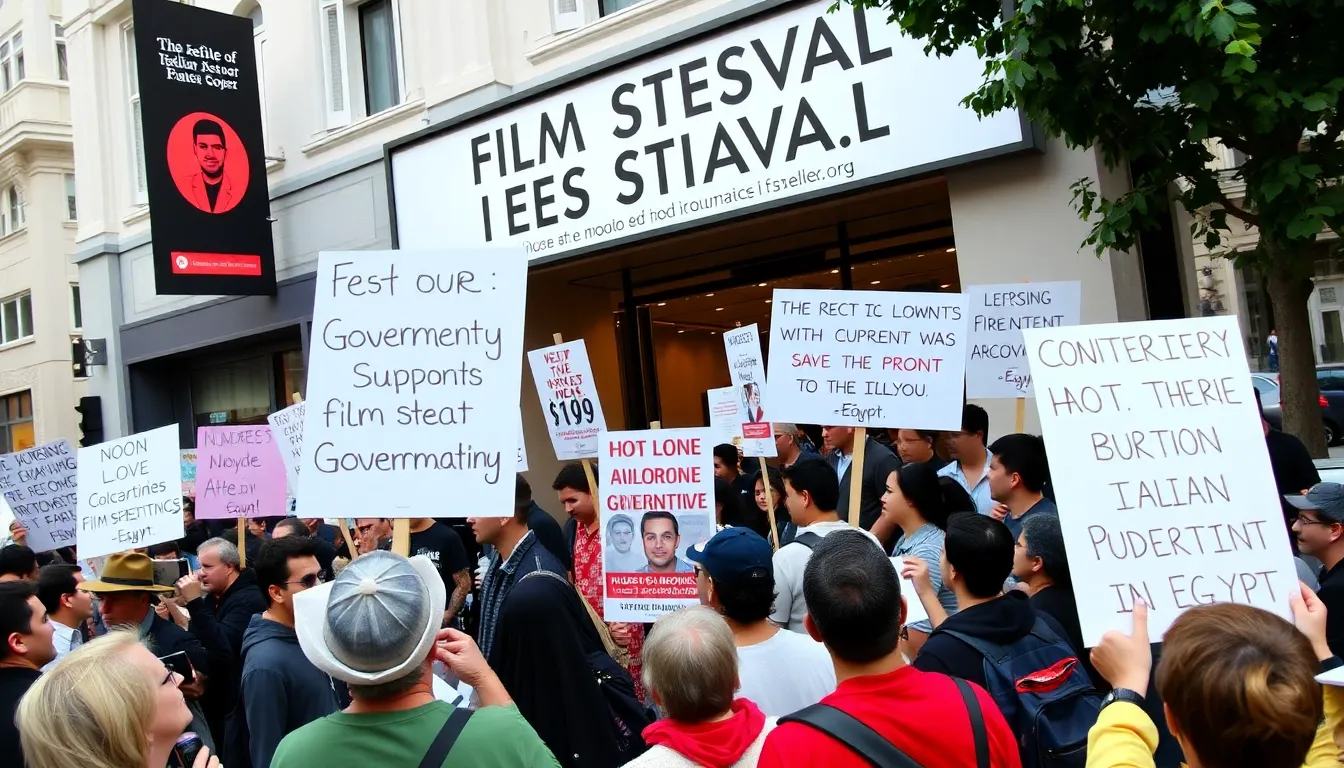
At the forefront are the filmmakers and the production company, who aim to bring attention to human rights abuses and the political climate in Egypt. Their interest lies in securing funding to produce a documentary that could influence public opinion and policy. The denial of government funding poses a significant challenge to their ability to tell this critical story.
On the other side, the Italian government and its agencies are stakeholders, balancing international relations with Egypt against domestic political pressures. The government’s decision to deny funding may reflect concerns about diplomatic ties, especially given the sensitive nature of the documentary’s content. This creates a conflict between supporting artistic expression and maintaining favorable relations with a foreign government.
Furthermore, human rights organizations are closely monitoring the situation, as they see the documentary as a potential catalyst for change. Their interest lies in promoting accountability and transparency in cases of political violence. The funding denial may hinder their efforts to leverage the documentary as a tool for advocacy, leading to broader implications for human rights discourse.
- The filmmakers may seek alternative funding sources, potentially from private donors or international NGOs.
- The Italian government could face backlash from civil society groups advocating for freedom of expression.
- The situation may escalate tensions between Italy and Egypt, affecting bilateral relations.
- The documentary could spark public protests or movements demanding justice for the victim.
- Potential legal challenges may arise regarding censorship and funding for politically sensitive projects.
The impact on filmmakers and political discourse in Italy
The denial of government funding for the documentary ‘All the Evil in the World’ has reverberated through various sectors in Italy, particularly impacting filmmakers, political activists, and educational institutions. The film, which explores the murder of a leftist Italian student in Egypt, raises significant questions about freedom of expression and state support for politically charged art. As a result, filmmakers in Italy may face increased scrutiny and potential censorship, affecting their ability to tackle controversial subjects.
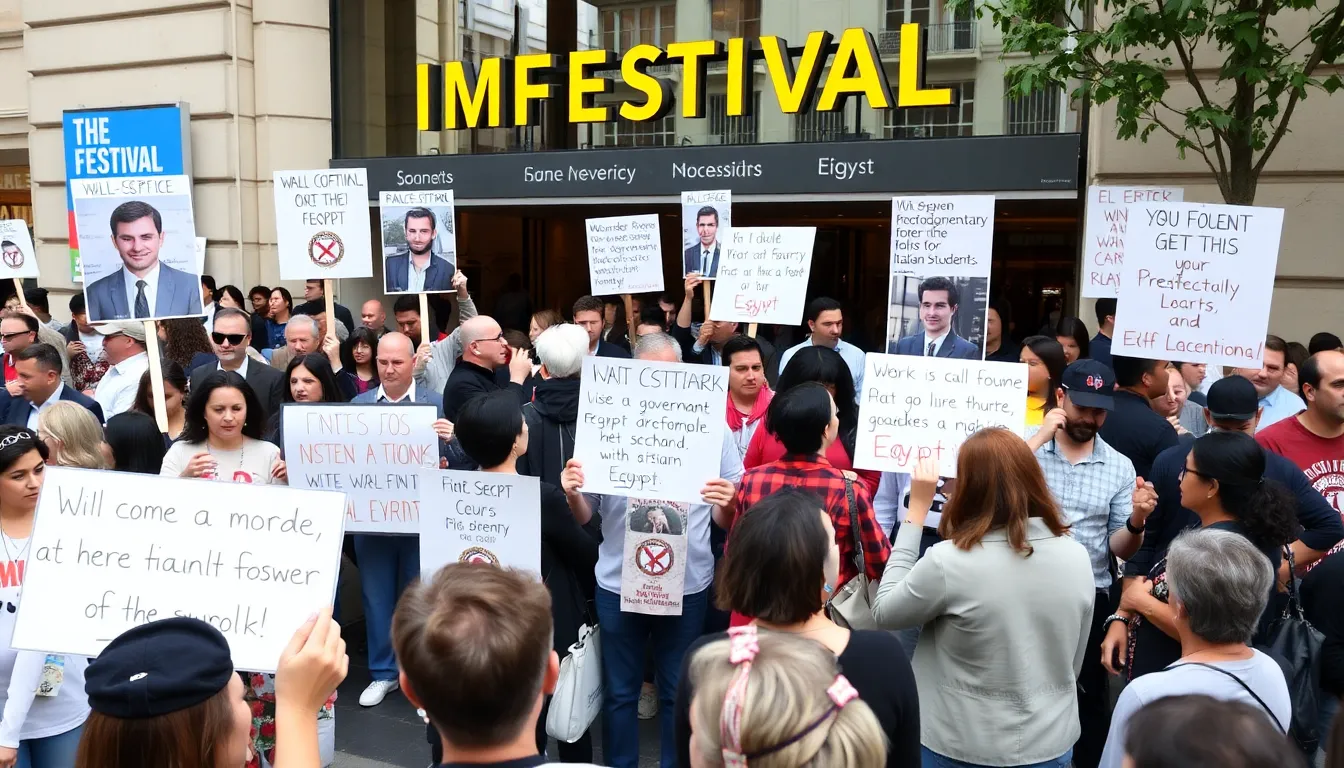
In the short term, the controversy surrounding the documentary could lead to a surge in public interest and discourse around political themes in cinema. This heightened awareness may encourage independent filmmakers to produce works that challenge the status quo, albeit with the risk of facing similar funding challenges. Additionally, educational institutions may incorporate discussions about the film into their curricula, fostering a new generation of politically conscious artists and activists.
In the mid-term, the political implications of this documentary could catalyze a shift in how government funding for the arts is allocated, potentially leading to more stringent criteria that prioritize mainstream narratives over dissenting voices. This could stifle creativity and limit the diversity of perspectives presented in Italian cinema. Conversely, it may also galvanize grassroots movements advocating for artistic freedom, presenting opportunities for collaboration among independent filmmakers and activists.
- Filmmakers may face increased censorship and funding challenges.
- Public discourse around political themes in cinema could intensify.
- Educational institutions may adapt curricula to include political documentaries.
- Potential for grassroots movements advocating for artistic freedom.
- Shift in government funding criteria may prioritize mainstream narratives.
As the political storm unfolds, the documentary’s impact will likely extend beyond the film industry, influencing public opinion and potentially reshaping policies related to freedom of expression in Italy. The intersection of art and politics remains a critical battleground, with both risks and opportunities emerging from this contentious landscape.
A: The documentary ‘All the Evil in the World’ focuses on the murder of an Italian leftist student in Egypt, exploring the political and social implications surrounding the case. A: The government denied funding due to concerns over the political content of the documentary, which they believed could incite public unrest. A: Public reaction has been mixed, with some supporting the filmmakers’ efforts to highlight the issue, while others criticize the political motivations behind it. A: The political storm could lead to increased scrutiny of government actions regarding funding for artistic projects and may influence future documentaries on sensitive topics.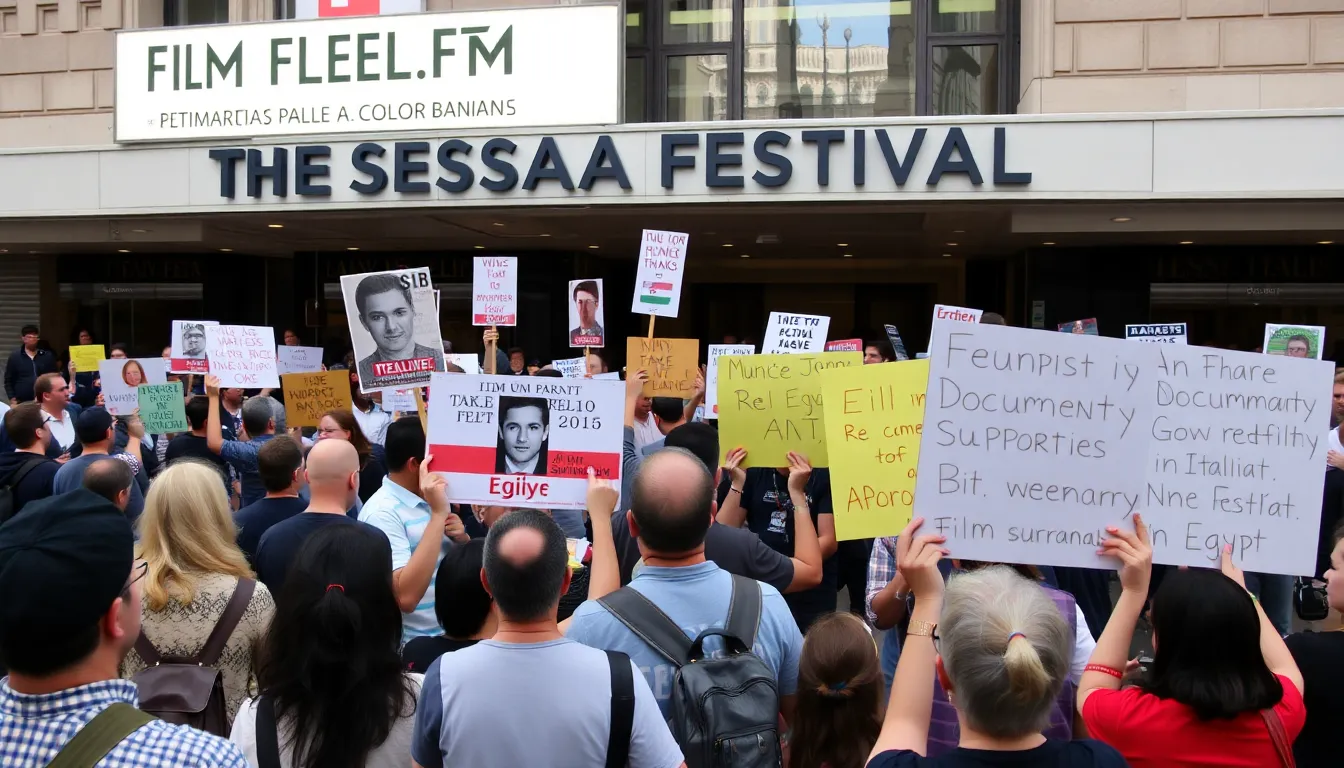
Frequently asked questions about the documentary and its implications
Key takeaways and future implications of the political storm
The controversy surrounding the documentary ‘All the Evil in the World,’ which delves into the murder of an Italian leftist student in Egypt, highlights the complex interplay between art, politics, and government funding. The denial of financial support for the film has ignited debates about freedom of expression and the role of state institutions in cultural production. As the political landscape evolves, the implications of this incident may extend beyond the immediate fallout, influencing future artistic endeavors and governmental policies.
<p Observers should closely monitor how this situation unfolds, particularly in terms of public sentiment and potential shifts in funding practices for politically sensitive projects. The responses from both the government and the artistic community will likely set precedents for future interactions between state power and cultural expression.
- The incident may lead to increased scrutiny of government funding decisions for arts and culture, particularly regarding politically charged subjects.
- Future documentaries and artistic projects may face heightened risks of censorship or funding challenges, prompting creators to adapt their approaches.
- This controversy could galvanize public support for artists and filmmakers advocating for freedom of expression, potentially leading to grassroots movements.
- Political reactions to the documentary may influence upcoming elections, especially if the themes resonate with broader societal concerns.
- International attention on the case could prompt discussions about human rights and artistic freedom in Egypt and beyond.