
This decision comes amid rising operational costs, particularly in fuel prices, which have surged due to global economic pressures and geopolitical tensions. Airlines are facing increased expenses, and these additional charges are seen as a necessary step to maintain profitability without drastically raising ticket prices. For more insights on these economic factors, check out this article.
Travelers are likely to feel the pinch as these fee increases could add substantial costs to their travel budgets. For instance, Delta’s new baggage fees will see checked luggage charges rise by $10 per bag, while Southwest’s adjustments may vary depending on the route and travel season. This trend highlights the ongoing challenges airlines face in adapting to market demands.
The timing of these announcements is critical, as they coincide with the holiday travel season when demand for flights typically peaks. As families and individuals prepare for holiday travel, the added fees may lead to a reevaluation of travel plans for many, potentially impacting overall airline revenue during this crucial period.
Understanding the reasons behind the fee increases
The airline industry has long been subject to fluctuations driven by various economic forces, and recent announcements from major carriers like Delta, Southwest, and WestJet regarding increased baggage fees and fuel surcharges highlight the ongoing challenges faced by these companies. Over the past few years, airlines have navigated a tumultuous landscape marked by the COVID-19 pandemic, which drastically altered travel patterns and consumer behavior. As the industry begins to recover, airlines are grappling with rising operational costs and the need to maintain profitability.

Historically, airlines have relied on ancillary revenue streams to supplement ticket sales. The introduction of fees for checked baggage in the late 2000s marked a significant shift in the airline business model, allowing carriers to offer lower base fares while capitalizing on additional charges. This trend has continued to evolve, with airlines increasingly adjusting fees in response to changing economic conditions, including fluctuations in fuel prices and labor costs. For a deeper dive into how these changes affect the overall market, read more here.
The impact of rising fuel prices
Fuel prices have always been a critical factor influencing airline operational costs. In recent months, a surge in global oil prices has prompted airlines to reassess their pricing strategies. As fuel costs represent one of the largest expenses for airlines, the decision to implement higher surcharges is often viewed as a necessary measure to offset these rising expenses. Additionally, geopolitical tensions and supply chain disruptions have further complicated the situation, leading to increased uncertainty in fuel pricing.
Moreover, the economic recovery post-pandemic has led to a resurgence in travel demand, putting additional pressure on airlines to balance capacity and operational efficiency. As they strive to meet this demand, airlines are also facing labor shortages and increased wages, further contributing to the rationale behind the recent fee increases. This combination of factors underscores the complex landscape that airlines must navigate as they seek to maintain financial stability while catering to a recovering travel market.
Key stakeholders and issues involved in the fare hikes
The recent announcements by Delta, Southwest, WestJet, and other airlines regarding increased baggage fees and fuel surcharges highlight a complex interplay of stakeholders with varying interests. Key actors in this scenario include the airlines themselves, passengers, regulatory bodies, and fuel suppliers. Each of these groups has distinct motivations that influence their responses to the fare hikes.
Airlines are primarily driven by the need to maintain profitability in an increasingly competitive market. Rising operational costs, particularly due to fluctuating fuel prices, compel these companies to seek additional revenue streams. The implementation of higher baggage fees and fuel surcharges is a strategic move to offset these expenses while attempting to minimize the impact on ticket prices.

Passengers, on the other hand, are often caught in the middle of this pricing strategy. While some travelers may accept the necessity of increased fees as a reality of modern air travel, others may view them as excessive and unfair. This could lead to a potential backlash against airlines, particularly from frequent flyers who value transparency and reasonable pricing. The conflict arises when airlines prioritize revenue over customer satisfaction, risking long-term loyalty.
Regulatory bodies, such as the Federal Aviation Administration (FAA) in the United States and similar entities in other countries, play a critical role in overseeing airline pricing practices. They are tasked with ensuring that fare increases are justified and that competition remains fair. However, the legal framework surrounding fare hikes can often be ambiguous, leading to challenges in enforcement and consumer protection.
- Airlines’ Profitability: Airlines need to balance operational costs with competitive pricing.
- Passenger Sentiment: Increased fees may lead to dissatisfaction and a potential decline in customer loyalty.
- Regulatory Oversight: Regulatory bodies must navigate the complexities of pricing laws and consumer rights.
- Fuel Price Volatility: Fluctuations in fuel costs significantly impact airlines’ pricing strategies.
- Market Competition: The competitive landscape forces airlines to make tough decisions regarding fare increases.
How these changes affect travelers and the airline market
The recent announcement by Delta, Southwest, WestJet, and other airlines regarding higher baggage fees and fuel surcharges is set to impact a wide range of groups, including leisure travelers, business travelers, and the tourism industry as a whole. Families planning vacations, frequent flyers, and corporate clients will all feel the pinch as their travel costs increase. This change will particularly affect budget-conscious travelers who rely on low-cost airlines for affordable travel options.
In the short term, travelers may experience frustration and dissatisfaction as they adjust to the new fee structures. Many may reconsider their travel plans, leading to a potential decline in air travel demand during peak seasons. Additionally, businesses that depend on travel for client meetings or conferences may face increased operational costs, potentially leading to budget cuts in other areas.

In the mid-term, the airline industry could see shifts in consumer behavior. Passengers may begin to prioritize airlines that offer more transparent pricing or inclusive baggage policies. This could create opportunities for airlines that choose to differentiate themselves by providing better value through loyalty programs or bundled services. On the other hand, airlines that fail to adapt may lose market share to competitors who are more attuned to customer needs.
- Increased travel costs for consumers
- Potential decline in leisure travel
- Higher operational expenses for businesses
- Opportunities for airlines to innovate pricing strategies
- Possible shift in consumer loyalty towards more accommodating carriers
Regions heavily reliant on tourism may also see economic implications as travelers adjust their spending habits. Destinations that are perceived as expensive may lose out to more budget-friendly alternatives. This shift could lead to a ripple effect in local economies, impacting everything from hospitality to retail sectors. However, airlines that effectively communicate the value of their services may find new opportunities to attract customers seeking quality over cost.
A: Airlines are raising baggage fees primarily due to rising operational costs, including fuel prices and inflationary pressures on services. A: The new fees are expected to take effect in the coming months, with airlines providing specific dates on their official websites. A: The increases vary by airline, but many are raising fees by $10 to $30 for checked baggage. A: Some airlines may offer exemptions or reduced fees for frequent flyers or loyalty program members, but this varies by airline. A: Yes, international flights may also see increased fees, but the specifics will depend on the airline’s policies.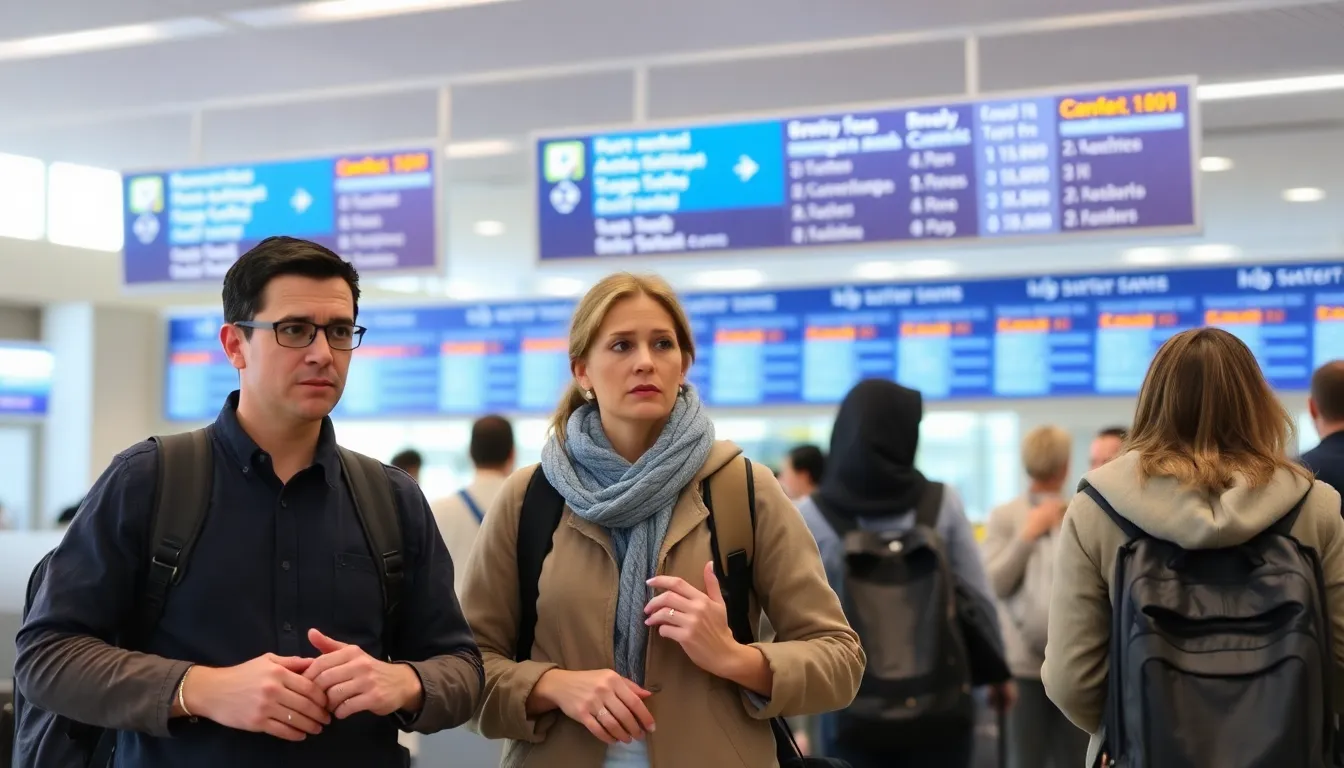
Frequently asked questions about the new fees
Looking ahead: implications of the fee increases
The recent announcements by Delta, Southwest, WestJet, and other airlines regarding higher baggage fees and fuel surcharges signal a significant shift in the airline industry’s pricing strategies. As airlines seek to offset rising operational costs, travelers may need to adjust their budgets and travel plans accordingly. This trend could lead to a reevaluation of how airlines position themselves in a competitive market, particularly as consumers weigh the value of services offered against their overall travel expenses.
In the coming months, it will be essential for passengers to stay informed about these changes and consider how they might impact travel decisions. The increased fees could lead to a greater emphasis on budget airlines and alternative travel options, as well as a potential shift in consumer behavior regarding baggage management and packing strategies.
- Monitor fare changes: Keep an eye on how major airlines adjust their pricing structures in response to these fee increases.
- Evaluate travel budgets: Travelers should reassess their budgets to accommodate potential additional costs associated with baggage and surcharges.
- Consider alternative airlines: Budget carriers may become more attractive as travelers seek to avoid higher fees from legacy airlines.
- Stay informed on policies: Be aware of each airline’s specific baggage policies to avoid unexpected charges.
- Adjust packing strategies: Travelers may want to optimize their packing to minimize the need for checked luggage, thereby reducing costs.