
Among the affected facilities is the Fire Sciences Laboratory in Missoula, Montana, known for its extensive research on fire dynamics and its impact on ecosystems. For more insights on current trends in research, you can explore related articles that discuss the implications of these closures.
Experts argue that the timing of this decision is particularly troubling, as the frequency and intensity of wildfires have been increasing due to climate change. With the 2023 wildfire season already proving to be severe, the closure of these research stations could hinder the development of effective strategies to mitigate wildfire risks and protect communities that are increasingly under threat.
Critics of the Forest Service’s decision are calling for a reevaluation of budget priorities, emphasizing the importance of wildfire research in safeguarding both natural resources and human lives. As wildfires continue to pose a significant threat across the United States, the implications of these closures could be felt for years to come.
Understanding the role of research stations in wildfire management
Research stations dedicated to studying wildfire risk have played a crucial role in understanding and mitigating the effects of wildfires across the United States. Historically, these stations have been instrumental in developing innovative strategies for fire prevention, management, and recovery. Established in the early 20th century, they emerged in response to devastating wildfires that highlighted the need for scientific research in forest management practices.
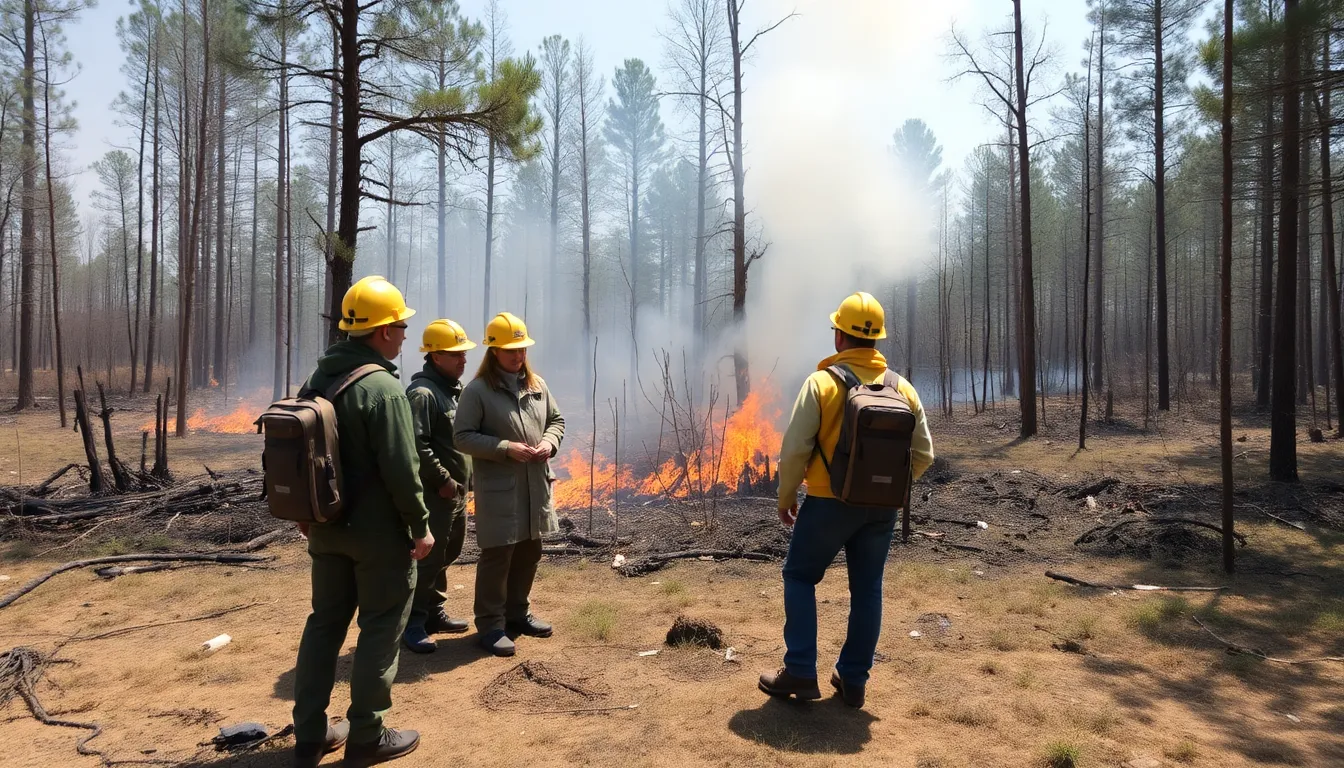
Over the decades, these research facilities have contributed to significant advancements in fire ecology, including the development of controlled burn techniques and the understanding of fire behavior in various ecosystems. Their findings have informed federal and state policies regarding land management and wildfire response, shaping the way communities prepare for and respond to fire threats.
However, in recent years, budget constraints and shifting political priorities have led to increased scrutiny of government spending on research initiatives. The decision to close certain research stations reflects a broader trend of reallocating resources within the Forest Service, often prioritizing immediate fire suppression efforts over long-term research and preventive measures. This shift raises concerns among scientists and policymakers about the future of wildfire management strategies.
The impact of climate change
As climate change continues to exacerbate wildfire risks, the closure of research stations poses a significant challenge. Rising temperatures and prolonged drought conditions have increased the frequency and intensity of wildfires, making the need for ongoing research more critical than ever. The loss of these facilities could hinder the development of adaptive strategies necessary to cope with the evolving landscape of wildfire threats, ultimately affecting both ecosystems and communities that rely on forest resources.
Key stakeholders and issues surrounding the closures
The decision by the Forest Service to close research stations that focus on wildfire risk has significant implications for various stakeholders, including government agencies, environmental organizations, and local communities. Each of these actors has distinct interests that influence their response to the closures.
Government agencies, particularly those involved in forest management and disaster response, are concerned about the potential loss of critical data and research that informs wildfire prevention strategies. The closure of these research stations may hinder their ability to effectively manage forest resources and respond to wildfire threats, which can have devastating impacts on both natural ecosystems and human settlements, similar to what is discussed in the exploration of health trends.
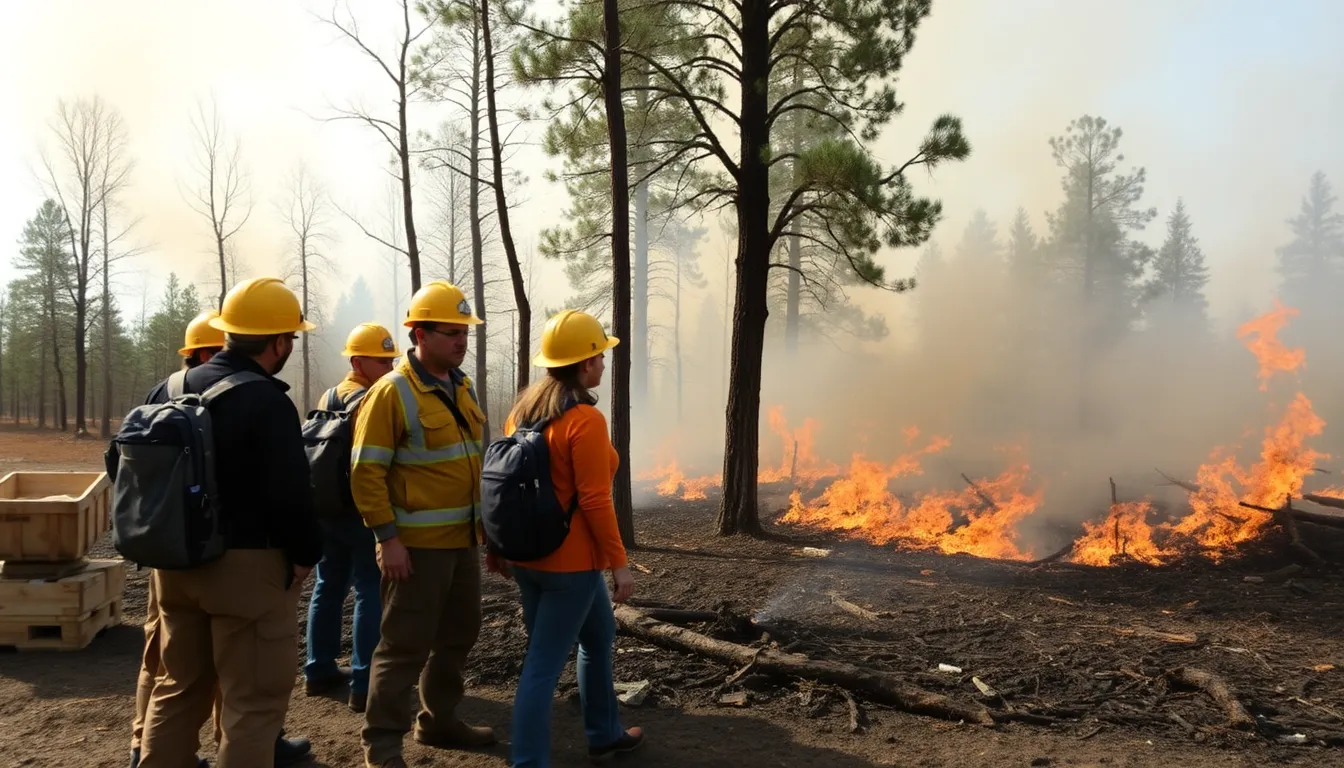
Environmental organizations and advocacy groups are likely to oppose the closures, arguing that they undermine efforts to understand and mitigate wildfire risks exacerbated by climate change. These organizations may raise concerns about the long-term consequences of reduced research capacity on biodiversity and forest health, as well as the implications for public safety in fire-prone regions.
Local communities, especially those in high-risk wildfire areas, face a direct impact from the closures. The loss of research initiatives may lead to insufficient preparation and response to wildfires, affecting property and lives. Residents may also feel a sense of uncertainty about the future of their local ecosystems and the resources they depend on.
- Data Loss: Closing research stations may result in a significant loss of valuable data on wildfire behavior and prevention.
- Community Safety: Local communities may face increased wildfire risks without the support of ongoing research and monitoring.
- Environmental Impact: Reduced research could hinder efforts to understand the ecological effects of wildfires and climate change.
- Economic Considerations: The closures may lead to economic trade-offs, impacting jobs related to forest research and management.
- Policy Implications: The decision may influence future policies on wildfire management and forest conservation.
Potential impacts on wildfire research and community safety
The decision to close research stations dedicated to studying wildfire risk will have significant repercussions for various groups and regions. Primarily, local communities, especially those in wildfire-prone areas, will be directly affected. These communities rely on the data and insights provided by these research stations to implement effective fire prevention and mitigation strategies.
Industries such as forestry, agriculture, and tourism may also feel the impact. The absence of research could lead to inadequate preparation for wildfire seasons, resulting in potential losses for businesses reliant on natural resources. Additionally, insurance companies may face increased claims from property damage, further straining their operations and leading to higher premiums for homeowners.
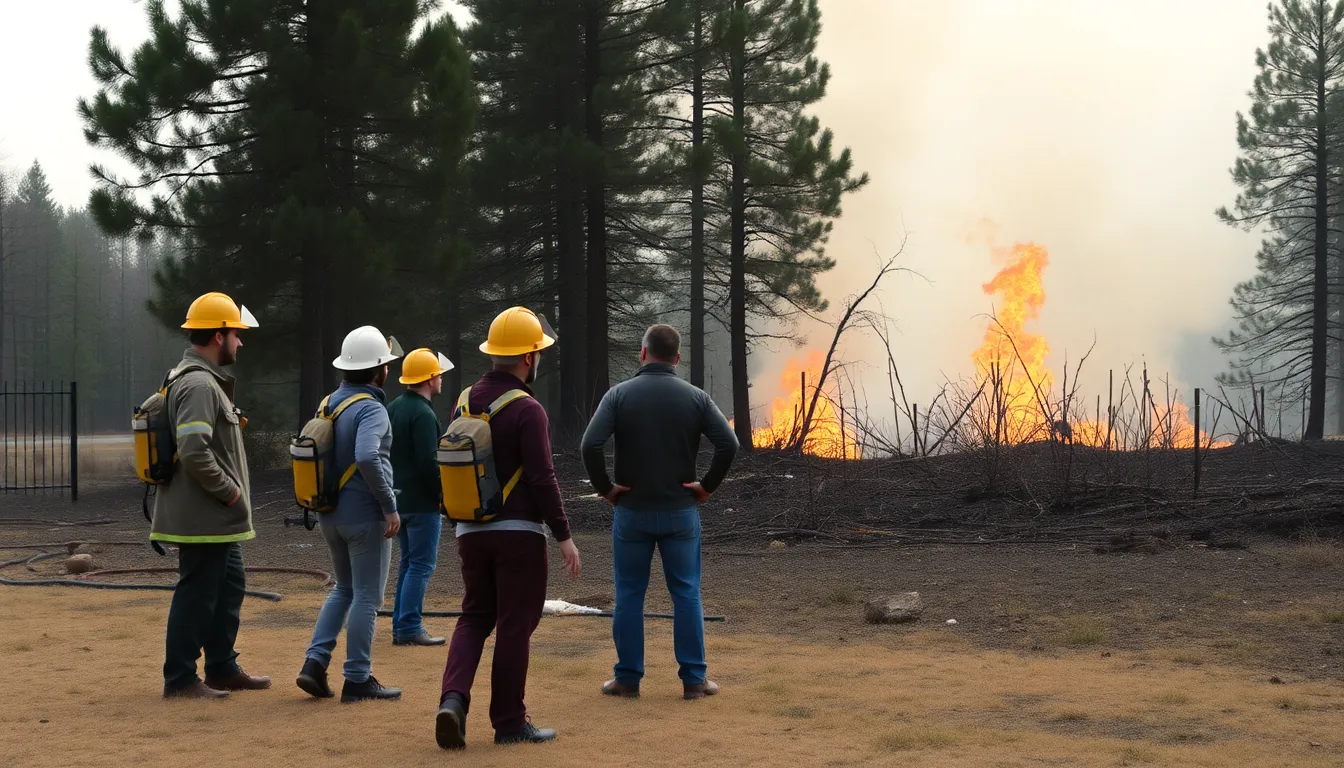
In the short term, the closure of these stations could hinder immediate access to critical wildfire risk assessments, leaving communities vulnerable during peak fire seasons. In the mid-term, the lack of ongoing research may result in outdated fire management strategies, ultimately affecting public safety and environmental health. This could lead to increased fire incidents and greater economic losses.
- Short-term risks: Increased vulnerability to wildfires, inadequate emergency response.
- Mid-term risks: Outdated fire management strategies, potential for larger and more destructive wildfires.
- Opportunities: Potential for private sector innovation in wildfire prevention technologies, community-led initiatives for fire safety.
While the situation presents significant challenges, there is a potential for communities and businesses to innovate in wildfire prevention and response. By fostering partnerships with private organizations and leveraging technology, communities can turn this setback into an opportunity for enhanced resilience against future wildfire risks.
A: The Forest Service is closing these stations as part of budget cuts and restructuring efforts. This decision has raised concerns about the future of wildfire research. A: Ongoing research projects may be affected, with some potentially being halted or relocated. Researchers will need to seek alternative funding and facilities. A: The closure of these stations could hinder the development of effective wildfire management practices, as vital research and data may be lost. A: Currently, there are no official plans to replace the research stations. The focus is on budgetary constraints rather than expanding research facilities. A: Communities at risk may face increased vulnerability without the ongoing research and data that inform wildfire prevention and response strategies.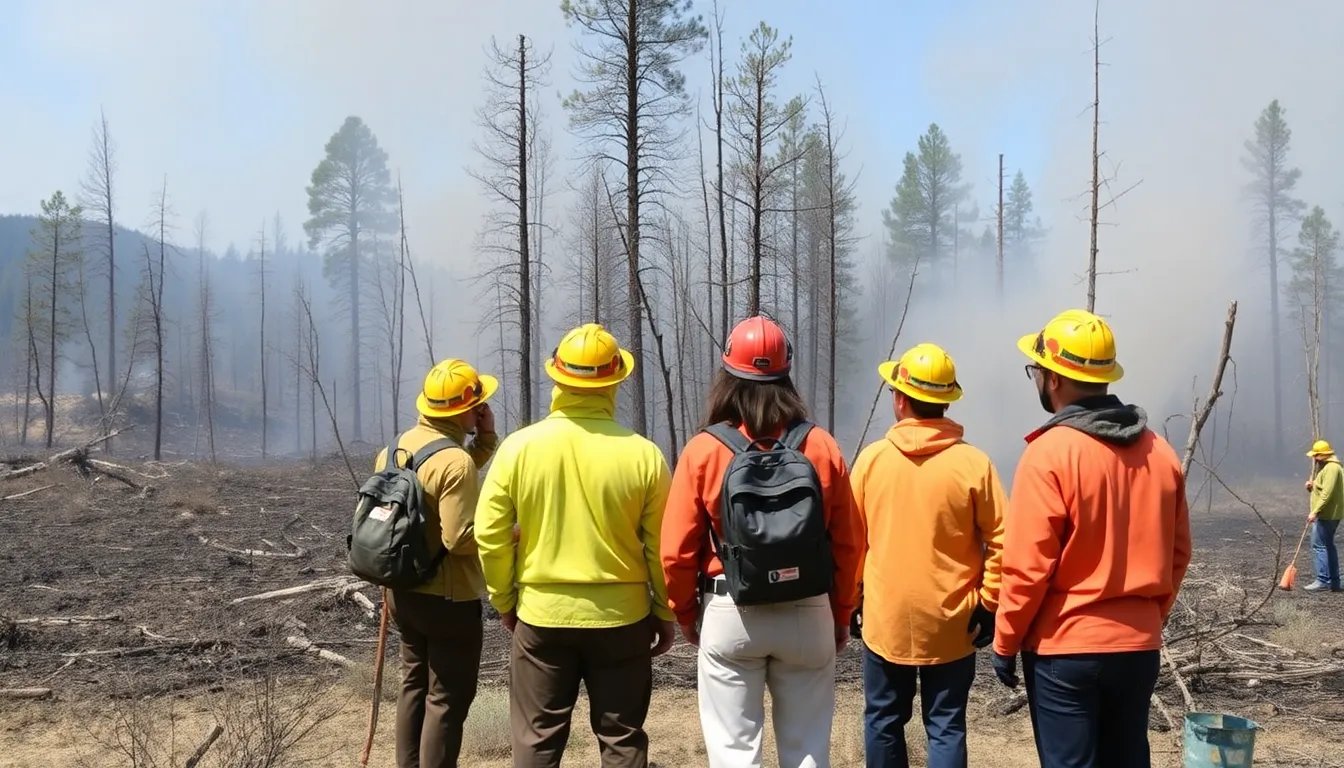
Frequently asked questions about the research station closures
Looking ahead: implications of the closures on wildfire risk management
The recent decision by the Forest Service to close research stations dedicated to studying wildfire risk raises significant concerns for future wildfire management strategies. These closures may hinder the development of innovative approaches to mitigate wildfire threats, potentially impacting both ecological health and community safety. As research capabilities diminish, the understanding of wildfire behavior and risk factors could stagnate, complicating efforts to protect vulnerable areas.
Stakeholders, including policymakers, environmental organizations, and local communities, must remain vigilant and proactive in addressing the gaps left by these closures. Collaborative efforts to share knowledge and resources will be crucial in maintaining effective wildfire management practices and ensuring that communities are prepared for the increasing threat of wildfires exacerbated by climate change.
- Increased collaboration: Stakeholders should seek partnerships with universities and private research institutions to fill the research void.
- Focus on community preparedness: Enhanced training and resources for local fire departments and community organizations will be essential.
- Advocacy for funding: There is a critical need to advocate for increased funding for wildfire research and management initiatives.
- Monitoring and adaptation: Implementing adaptive management strategies will be vital to respond effectively to changing wildfire dynamics.