
The Panamanian director of the documentary ‘Culebra Cut’ has publicly stated the urgency of addressing this issue, highlighting the film’s exploration of the impacts of military presence on local populations. The director argues that the return of U.S. military operations raises questions about sovereignty and the legacy of foreign intervention in Panama. For further insights, see this related article.
As the exercises take place, local activists and government officials are voicing their apprehensions about the implications for national security and regional stability. The Panamanian government, while acknowledging the need for security cooperation, is also faced with the challenge of balancing these military activities against public sentiment and historical grievances.
The situation is further complicated by the geopolitical dynamics in Central America, where U.S. military presence is often justified under the guise of combating drug trafficking and enhancing security. However, critics argue that these exercises could exacerbate tensions and undermine Panama’s autonomy.
Historical background of U.S. military presence in Panama
The U.S. military presence in Panama has deep historical roots, dating back to the early 20th century when the United States played a crucial role in the construction of the Panama Canal. Completed in 1914, the canal was not only a monumental engineering feat but also a strategic asset for U.S. military and commercial interests, facilitating faster maritime travel between the Atlantic and Pacific Oceans. This rich history is further explored in the context of Culebra Cut.
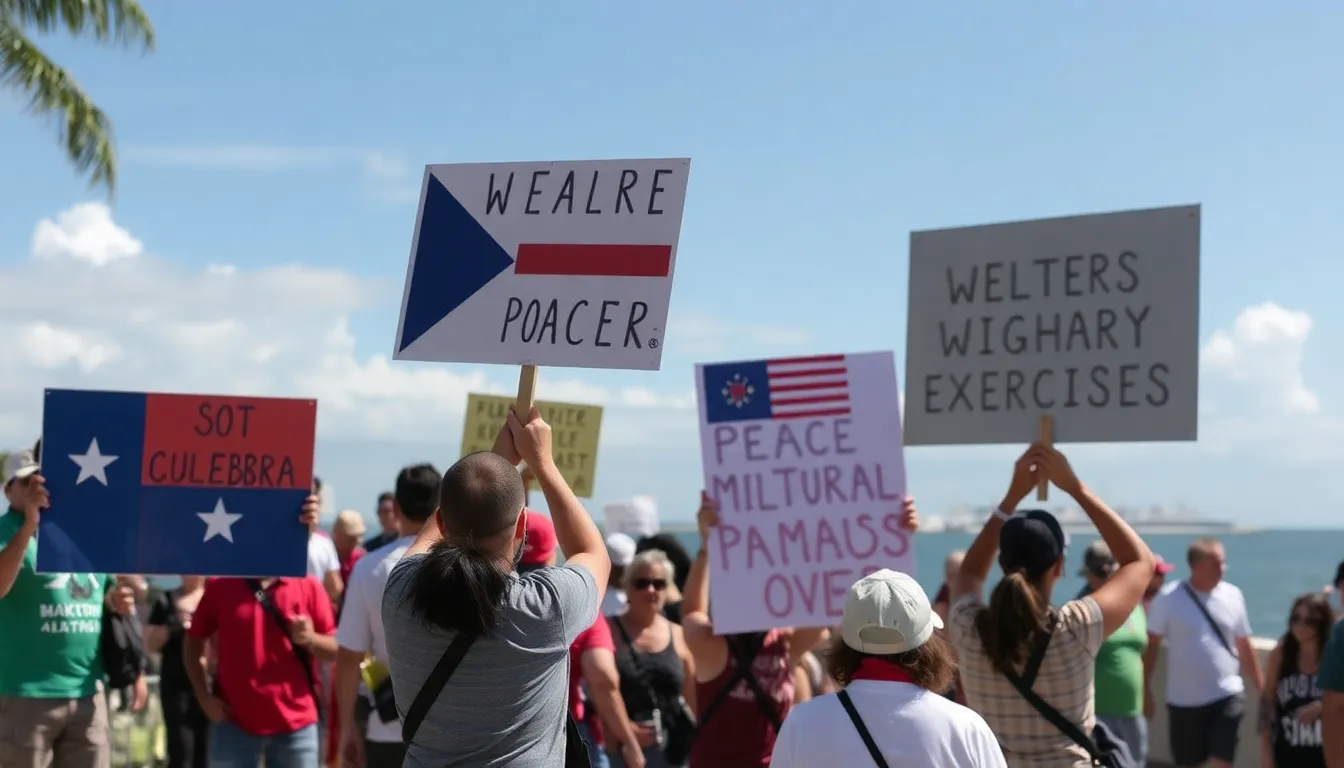
In 1903, the U.S. and Panama signed the Hay-Bunau-Varilla Treaty, granting the United States control over the Panama Canal Zone. This agreement effectively made Panama a protectorate of the U.S., leading to a significant military presence in the region. Over the decades, U.S. bases were established, and the military’s influence extended into various aspects of Panamanian life, often sparking local resentment and calls for sovereignty.
Key milestones in U.S.-Panama relations
The relationship between the U.S. and Panama saw significant changes in the late 20th century. The Torrijos-Carter Treaties, signed in 1977, marked a pivotal moment, as they outlined a plan for the gradual transfer of control of the Panama Canal from the U.S. to Panama. By the end of 1999, the canal was fully under Panamanian control, leading to the closure of several U.S. military bases.
However, even after the withdrawal of U.S. forces, the legacy of military presence lingered. The U.S. continued to conduct military exercises and maintain a strategic interest in the region, often citing security concerns related to drug trafficking and regional stability. For a broader discussion on the impacts of these military exercises, read this related piece.
Today, as the U.S. military conducts exercises on bases it left decades ago, the Panamanian director of ‘Culebra Cut’ emphasizes the urgency of addressing these historical grievances. The film serves as a reminder of the complex relationship between the two nations and the lasting impact of U.S. military actions on Panamanian society.
Key issues surrounding the film and military activities
The release of ‘Culebra Cut’ by Panamanian director is set against a backdrop of renewed U.S. military interest in Panama, particularly in areas where bases were previously abandoned. This situation raises significant concerns among various stakeholders, including local communities, the Panamanian government, and U.S. military officials, each with distinct interests and perspectives on the implications of these military exercises.
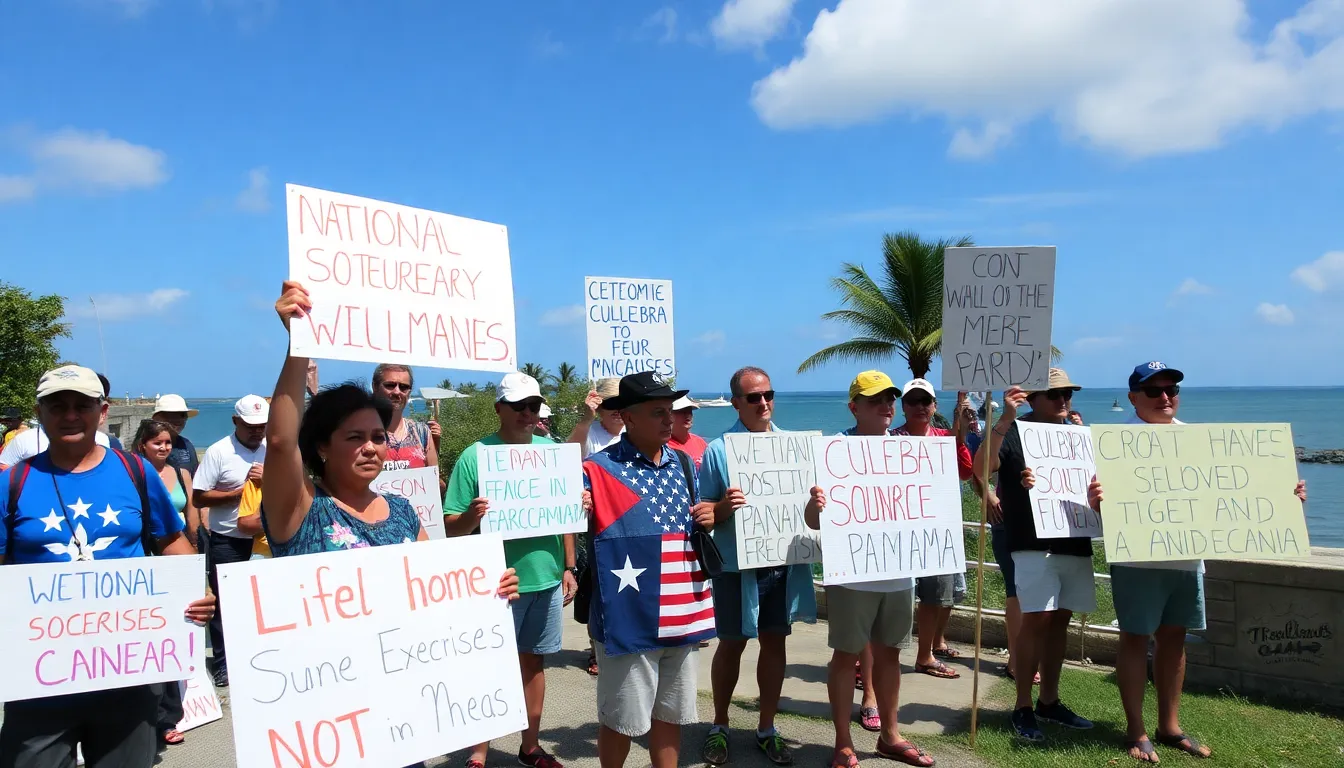
Local communities in Panama are particularly concerned about the potential impact of military activities on their daily lives and the environment. Many residents fear that increased military presence could lead to disruptions, environmental degradation, and a resurgence of tensions that were thought to have been resolved after the U.S. handed over control of the Panama Canal. The film aims to shed light on these issues, emphasizing the urgency of addressing local perspectives and historical grievances.
The Panamanian government, on the other hand, faces a complex balancing act. While it seeks to maintain a cooperative relationship with the U.S. for security and economic reasons, it must also consider the sentiments of its citizens. This duality creates a potential conflict where the government may have to prioritize military cooperation over community concerns, leading to trade-offs that could affect its legitimacy and public support.
- Historical Context: The legacy of U.S. military presence in Panama continues to influence local attitudes and international relations.
- Environmental Concerns: Military exercises may pose risks to local ecosystems, which are crucial for community livelihoods.
- Public Sentiment: There is a growing movement among Panamanians advocating for greater autonomy and respect for their sovereignty.
- Economic Interests: The U.S. military’s presence could bring economic benefits, but at what cost to local communities?
- Film as a Catalyst: ‘Culebra Cut’ serves as a platform for dialogue, urging stakeholders to confront uncomfortable truths about military and colonial legacies.
Ultimately, the intersection of film and military activities in Panama highlights a complex web of interests and issues that require careful navigation. The ongoing dialogue prompted by ‘Culebra Cut’ may serve as a crucial step toward fostering a more equitable understanding of these multifaceted dynamics.
Effects on local communities and international relations
The ongoing military exercises by the U.S. on former bases in Panama, as highlighted in the film ‘Culebra Cut,’ significantly impact various groups, including local communities, environmental advocates, and international relations. The Panamanian government and its citizens are at the forefront of this situation, facing both immediate and long-term consequences.
In the short term, local residents may experience disruptions in their daily lives due to increased military activity. Noise pollution, traffic congestion, and potential restrictions on access to certain areas could affect local businesses and tourism. Additionally, the presence of foreign military personnel may lead to cultural tensions and concerns about sovereignty.
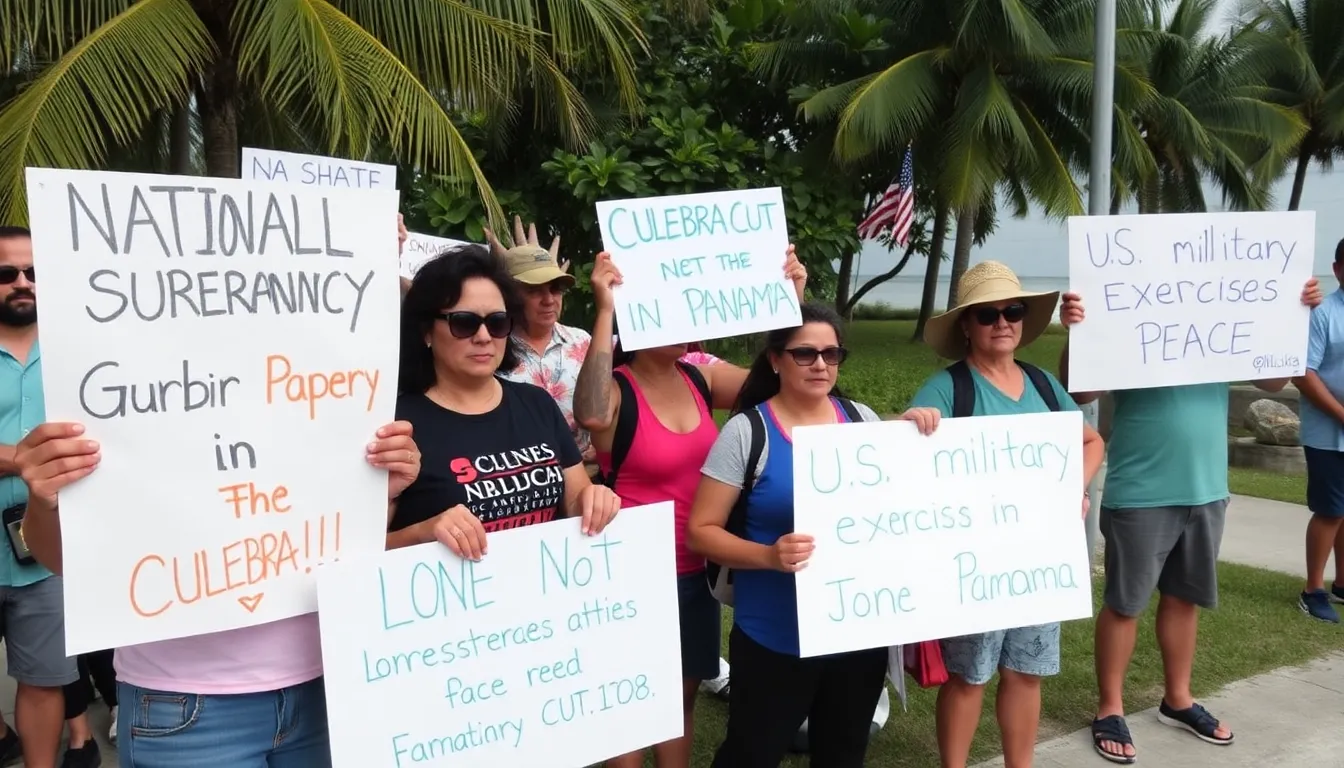
In the mid-term, these military exercises could influence policy decisions within Panama. The government may feel pressured to negotiate terms regarding the U.S. military presence, potentially leading to changes in defense and foreign policy. This situation also poses risks related to environmental degradation, as military activities can impact local ecosystems and biodiversity.
- Local Communities: Increased noise and traffic disruptions.
- Businesses: Potential decline in tourism and local commerce.
- Policy Changes: Possible shifts in defense and foreign policy negotiations.
- Environmental Risks: Threats to local ecosystems from military exercises.
- Cultural Tensions: Strain on relationships between locals and military personnel.
However, there are also potential opportunities arising from this situation. Increased international attention on Panama could lead to enhanced diplomatic relations and economic partnerships. Local businesses might find new avenues for collaboration with military contractors or through increased tourism driven by heightened visibility of the region.
A: The film emphasizes the urgency of addressing historical injustices and the ongoing impact of U.S. military presence in Panama. A: The exercises are part of ongoing military readiness efforts, but they raise concerns about historical tensions with the local population. A: Many community members express apprehension and frustration, feeling that their voices are overlooked in discussions about military activities. A: The director uses the film as a platform to highlight these concerns, aiming to spark dialogue and awareness among audiences. A: Culebra Cut is set to premiere at various film festivals and will be available in select theaters and streaming platforms.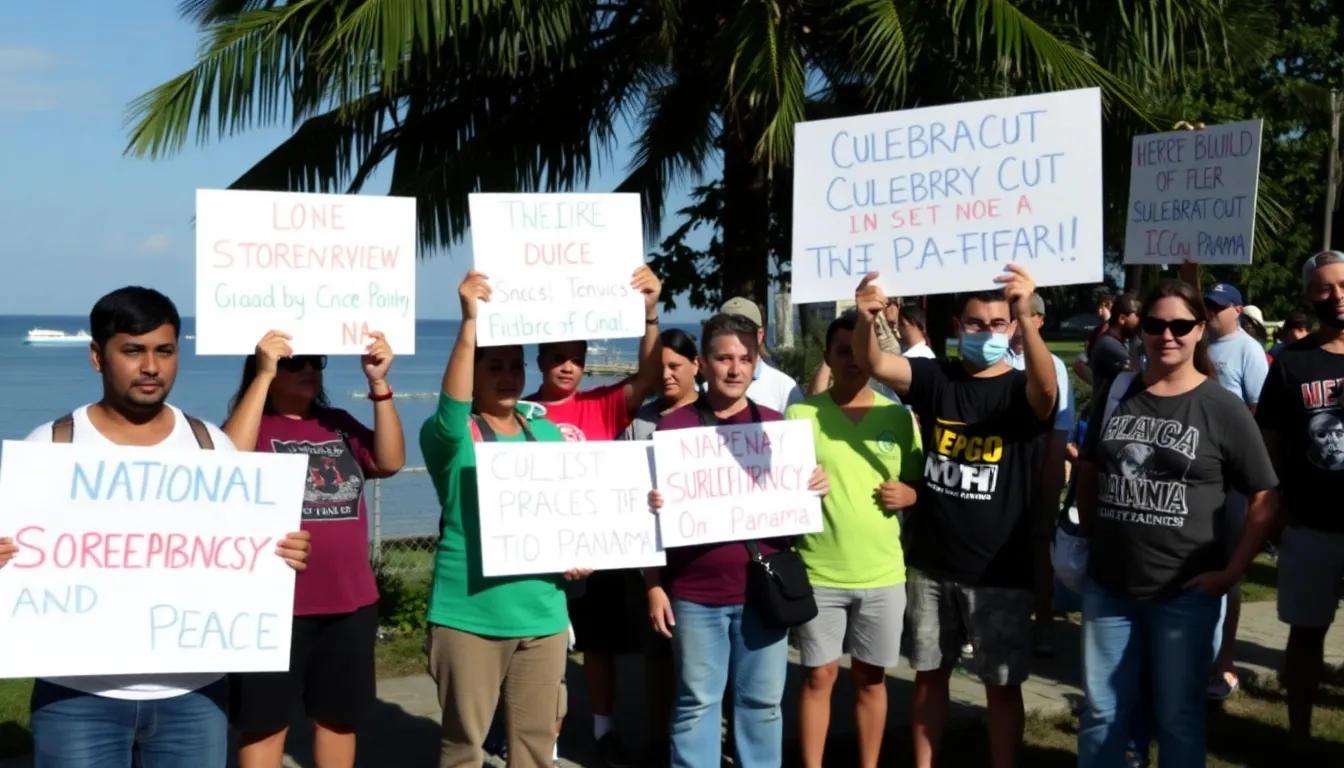
Frequently asked questions about Culebra Cut and military exercises
Insights on the film’s message and future implications
The film ‘Culebra Cut’ serves as a poignant reminder of the enduring impact of U.S. military presence in Panama, even decades after the bases were vacated. The director emphasizes that the narrative is not just about historical events but also about the ongoing socio-political dynamics in the region. As military exercises resume in areas once occupied by U.S. forces, the film raises critical questions about sovereignty, identity, and the legacy of foreign intervention.
Looking ahead, the implications of this film are profound. It invites viewers to reflect on the nature of military influence and its long-term consequences on local communities. As discussions around military presence and its effects continue, ‘Culebra Cut’ serves as a catalyst for conversations about autonomy and the future of Panama in a changing geopolitical landscape.
- Monitor the response from local communities regarding the renewed military exercises and their sentiments towards foreign influence.
- Observe how ‘Culebra Cut’ influences public discourse on national identity and historical memory in Panama.
- Consider the potential for similar films to emerge from other regions grappling with the legacy of foreign military presence.
- Watch for international reactions to the film, particularly from U.S. policymakers and military officials.
- Evaluate the film’s impact on future collaborations between filmmakers and social movements advocating for change in military policies.