
In recent developments, the military junta has announced plans to hold a presidential election in 2024, raising questions about the legitimacy and fairness of the electoral process. The junta’s leader, Min Aung Hlaing, has positioned himself as a central figure in this transition, with many analysts speculating that he may seek to consolidate power further under the guise of restoring democracy. For more insights on political transitions, check out our article on how scientifically accurate is Project Hail Mary.
The international community remains divided on how to engage with Myanmar’s military rulers. While some countries have imposed sanctions, others have opted for diplomatic engagement, complicating efforts to support a return to democratic governance. The situation is further complicated by ongoing armed resistance from ethnic and pro-democracy groups, which continue to challenge the junta’s authority.
As the situation evolves, the question of who will ultimately lead Myanmar remains uncertain. The actions taken by the military and the responses from the international community will be crucial in shaping the future of the nation and determining whether a genuine democratic transition can be achieved.
Background of the coup and its aftermath
The political landscape of Myanmar has been tumultuous for decades, marked by a series of military regimes and brief periods of democratic governance. The most recent coup occurred on February 1, 2021, when the military, known as the Tatmadaw, seized power just hours before the newly elected parliament was set to convene. This coup followed a landslide victory for the National League for Democracy (NLD), led by Aung San Suu Kyi, in the November 2020 elections, which the military claimed were marred by widespread voter fraud, despite no evidence to support these allegations.
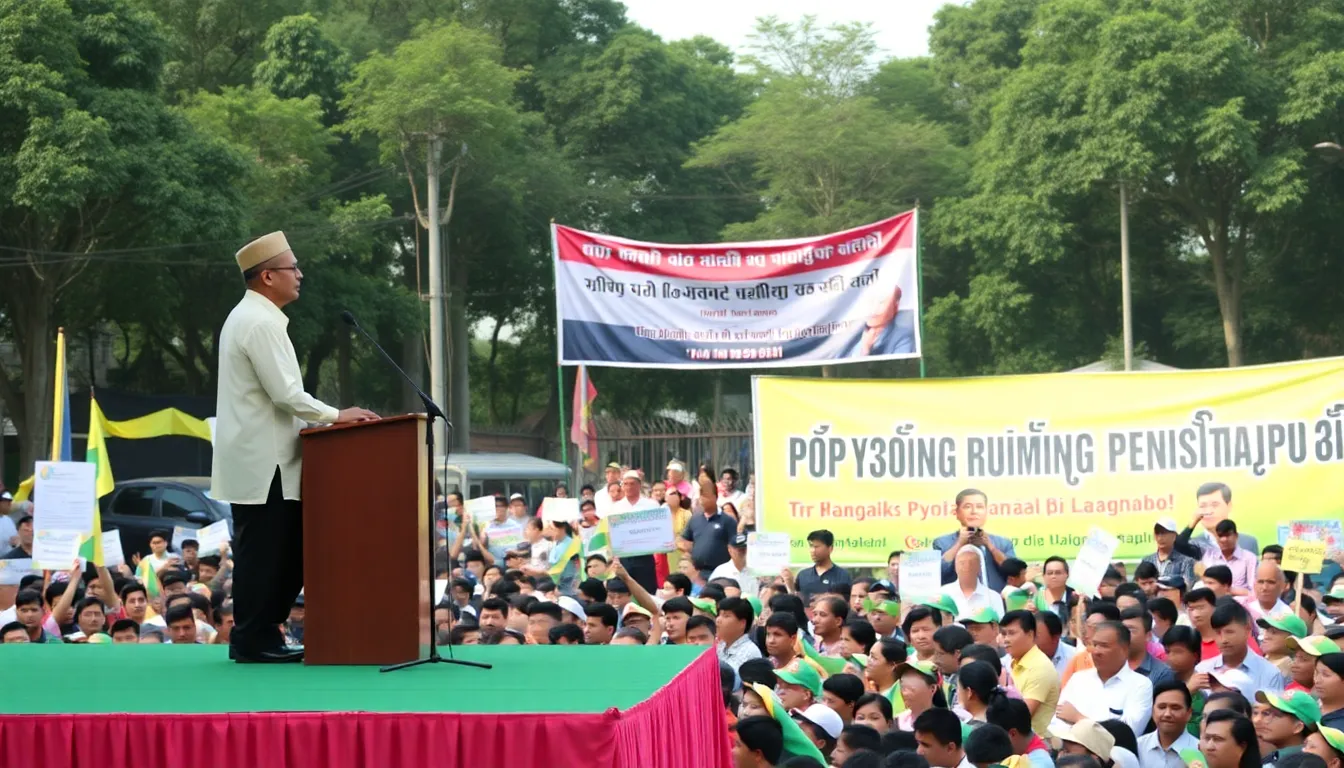
The military’s return to power was not merely a power grab; it was rooted in a complex history of military dominance in Myanmar’s political sphere. Since gaining independence from British colonial rule in 1948, Myanmar has oscillated between military and civilian rule. The military junta that ruled from 1962 to 2011 implemented strict controls over the political system, stifling dissent and limiting freedoms. The 2015 elections, which were seen as a turning point, allowed the NLD to assume power, yet the military retained significant influence over the government through a constitutional provision that reserved 25% of parliamentary seats for military appointees.
Following the coup, Myanmar plunged into chaos, with widespread protests erupting across the nation. The military’s violent crackdown on dissent led to thousands of deaths and arrests, drawing international condemnation and sanctions. The coup also sparked a civil disobedience movement, with healthcare workers, teachers, and civil servants refusing to work under military rule, further crippling the country’s economy and public services.
The Role of the Coup Leader
Min Aung Hlaing, the commander-in-chief of the Myanmar Armed Forces, emerged as the face of the coup and has since positioned himself as the de facto leader of the country. His military background and previous roles in various operations have made him a controversial figure, with many viewing him as a symbol of the oppressive regime. As Myanmar’s next president, his leadership raises concerns about the future of democracy and human rights in the country, as he has shown little willingness to engage in dialogue with opposition groups or the international community. You can read more about political figures facing controversy in our coverage of Gen.G star Ruler’s tax controversy.
Key stakeholders and issues surrounding the coup leader
The political landscape in Myanmar has been significantly altered following the recent coup, with various stakeholders emerging as key players in the ongoing crisis. The coup leader, who is poised to assume the presidency, represents not only the military’s interests but also the broader implications for governance and civil rights in the country.
At the forefront of this situation are the Tatmadaw, Myanmar’s armed forces, which orchestrated the coup to reclaim power from the democratically elected government. Their primary interest lies in maintaining control over the political narrative and suppressing dissent. This has led to increased tensions with pro-democracy groups and the general populace, who are demanding a return to civilian rule. The implications of these tensions are similar to those faced in other regions, as seen in our recent article about a warning to patients ahead of the next doctors strike.
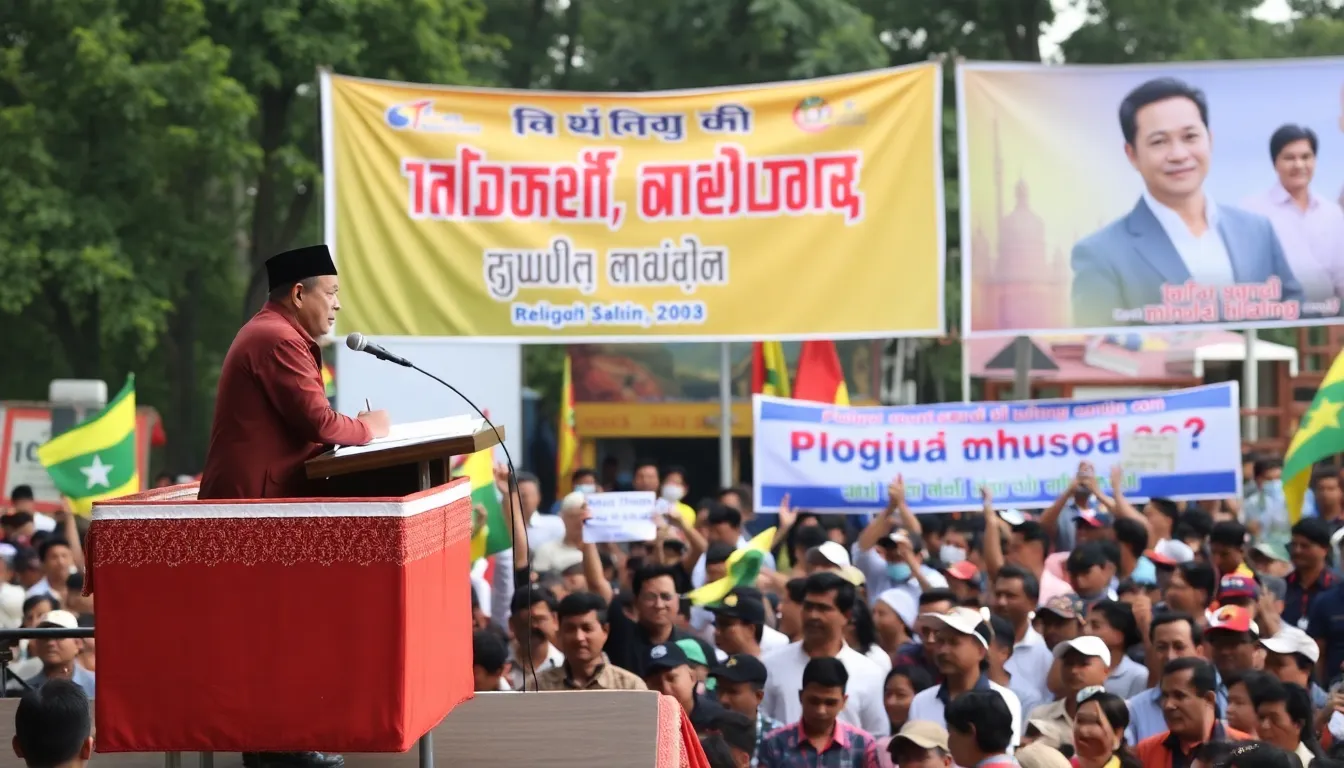
Internationally, several governments and organizations are closely monitoring the developments in Myanmar. The Association of Southeast Asian Nations (ASEAN) has been tasked with addressing the crisis, yet faces challenges in reaching a consensus on how to respond effectively. Meanwhile, Western nations have imposed sanctions on military leaders and their businesses, aiming to pressure the regime while also balancing concerns about humanitarian impacts.
- Human Rights Violations: The military’s crackdown on protests has raised alarm over potential human rights abuses, leading to calls for accountability.
- Economic Sanctions: The imposition of international sanctions could further destabilize Myanmar’s economy, affecting ordinary citizens.
- Regional Stability: The coup poses risks to regional stability in Southeast Asia, prompting discussions on collective security measures.
- Internal Divisions: The divide between the military and various ethnic armed groups complicates the potential for peace and reconciliation.
As these stakeholders navigate their interests and conflicts, the situation remains fluid, with the potential for both escalation and negotiation. The outcomes will depend on how effectively the coup leader can manage internal dissent and respond to international pressures while maintaining a semblance of legitimacy.
Impact on the people of Myanmar and regional stability
The recent coup in Myanmar has far-reaching consequences for various groups within the country, particularly affecting civilians, political activists, and ethnic minorities. The military’s consolidation of power threatens the fragile peace that has existed in the region, leading to increased tensions and uncertainty among the populace.
In the short term, daily life for many citizens is likely to become more challenging. Basic services may be disrupted, and there could be a rise in military presence on the streets. Families may face heightened fears for their safety, and many could experience economic hardships due to instability in the job market and potential sanctions from foreign governments.
Industries such as tourism, agriculture, and manufacturing may also experience significant impacts. Businesses may slow down or halt operations due to political unrest, which could lead to job losses and reduced income for workers. Additionally, foreign investment may dwindle as companies reassess the risks of operating in an unstable environment.
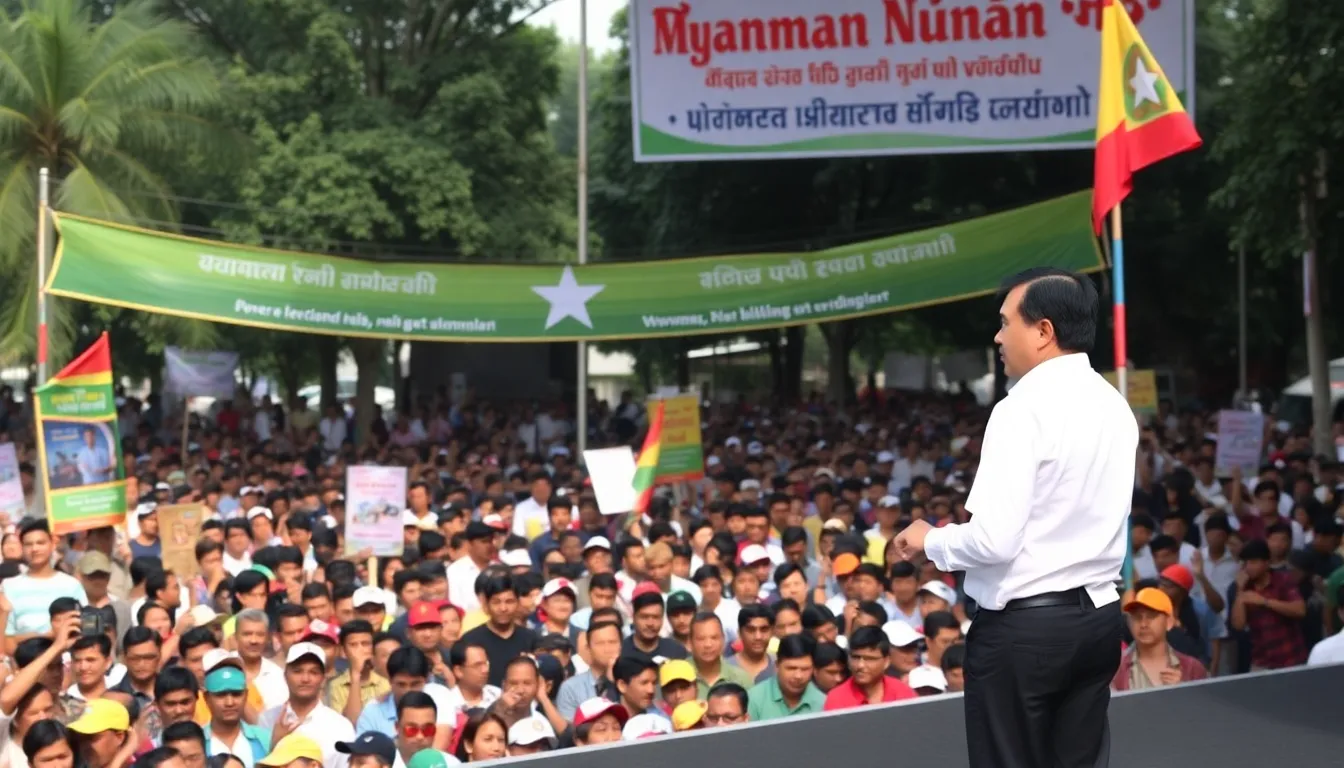
- Short-term risks: Increased violence, economic downturn, and reduced access to essential services.
- Mid-term risks: Prolonged instability could lead to a humanitarian crisis and further isolation from the international community.
- Potential opportunities: Regional powers may seek to mediate, potentially fostering dialogue and peace initiatives.
In the mid-term, the situation may create opportunities for grassroots movements and civil society organizations to mobilize for change. If the international community responds with support for democratic processes, there could be a renewed push for reforms that benefit the people of Myanmar. However, the risks of backlash from the military remain a significant concern.
A: The coup leader is General Min Aung Hlaing, who has been at the forefront of the military’s control over the country since the February 2021 coup. A: His presidency could lead to further military control, increased international sanctions, and ongoing civil unrest in Myanmar. A: Many countries have condemned the coup and imposed sanctions, while some have called for dialogue and a return to democracy. A: Civil unrest remains high, with protests and armed resistance against the military government continuing across the country. A: The prospects for democracy remain bleak as the military maintains a tight grip on power, and opposition groups face significant challenges.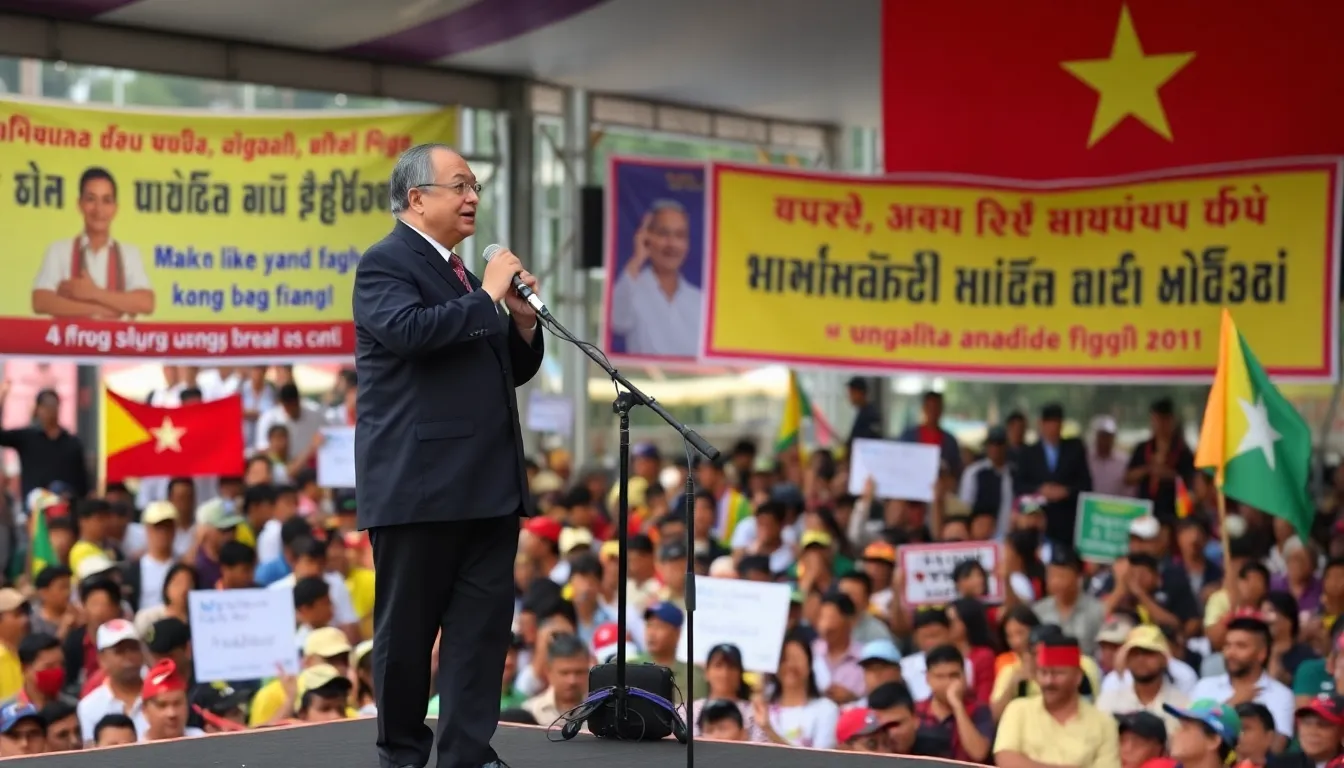
Frequently asked questions about Myanmar’s political situation
Insights and outlook on Myanmar’s future leadership
The recent developments in Myanmar’s political landscape highlight a significant shift in leadership dynamics, particularly with the emergence of the coup leader as a potential presidential figure. This transition raises questions about the future of governance, stability, and international relations in the country. Observers are keenly watching how this new leadership will navigate the complex socio-political environment, especially in light of ongoing domestic unrest and international scrutiny.
As the situation evolves, several key factors will likely shape Myanmar’s trajectory. The balance of power within the military, the response of the civilian population, and the reactions from foreign governments will all play critical roles in determining the effectiveness and acceptance of the new leadership.
- Monitor the military’s internal dynamics and how they influence policy decisions and governance.
- Watch for shifts in public sentiment and potential civil resistance movements as citizens respond to the new leadership.
- Observe international diplomatic efforts and sanctions, particularly from neighboring countries and global powers.
- Evaluate the economic implications of the leadership change, especially regarding foreign investment and trade relations.
- Consider the potential for reforms or changes in governance structures that could emerge from this leadership transition.