
After a tense period of negotiations, Kittleson was freed on October 15, 2023. The circumstances surrounding her release remain unclear, with various reports indicating that local authorities and international diplomatic efforts played a role in securing her safe return.
The incident highlights the increasing risks faced by journalists in conflict zones, particularly in Iraq, where violence and instability have been prevalent. Kittleson’s abduction underscores the urgent need for protective measures for media personnel in such environments.
As Kittleson reunites with her family and colleagues, the implications of her abduction and subsequent release continue to resonate within the journalistic community. This situation serves as a stark reminder of the challenges journalists encounter while striving to report on critical issues in dangerous regions.
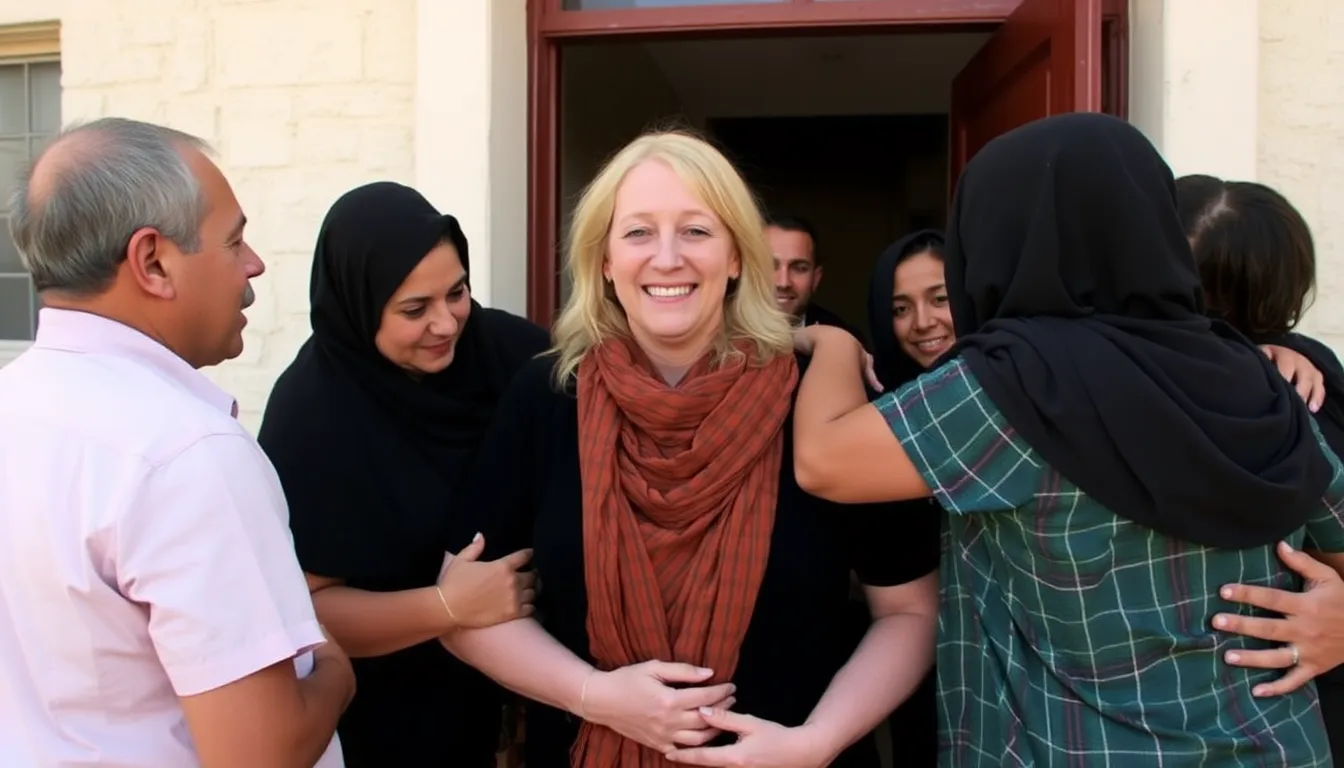
Understanding the circumstances surrounding Kittleson’s abduction
The abduction of Shelly Kittleson, an American journalist, highlights the ongoing dangers faced by media professionals operating in conflict zones like Iraq. Since the U.S.-led invasion in 2003, Iraq has experienced significant instability, characterized by sectarian violence, the rise of extremist groups, and a deteriorating security environment, making it perilous for both locals and foreign nationals alike. This context underscores the importance of articles discussing cases like journalist safety.
Historically, journalists in Iraq have been targeted due to their roles in reporting on sensitive political and social issues. High-profile cases, such as the kidnapping and murder of Italian journalist Enzo Baldoni in 2004 and the abduction of BBC journalist Alan Johnston in 2007, illustrate the risks that come with covering the region. These incidents have contributed to a climate of fear, discouraging many from reporting in Iraq and leading to increased self-censorship among local media.
In recent years, the resurgence of militant groups, particularly ISIS, has further complicated the landscape for journalists. The group has been known to target media personnel, viewing them as threats to their propaganda efforts. This has resulted in a significant decline in the number of foreign journalists willing to cover stories in Iraq, as many fear for their safety and the potential for abduction.
The evolving role of journalism in conflict zones
As the situation in Iraq continues to evolve, the role of journalism has become increasingly critical in providing accurate information to the public. However, the challenges faced by journalists, including the threat of violence, censorship, and legal repercussions, have made it difficult to maintain a free press. Kittleson’s abduction serves as a stark reminder of the sacrifices made by journalists who strive to report on the truth, often at great personal risk.
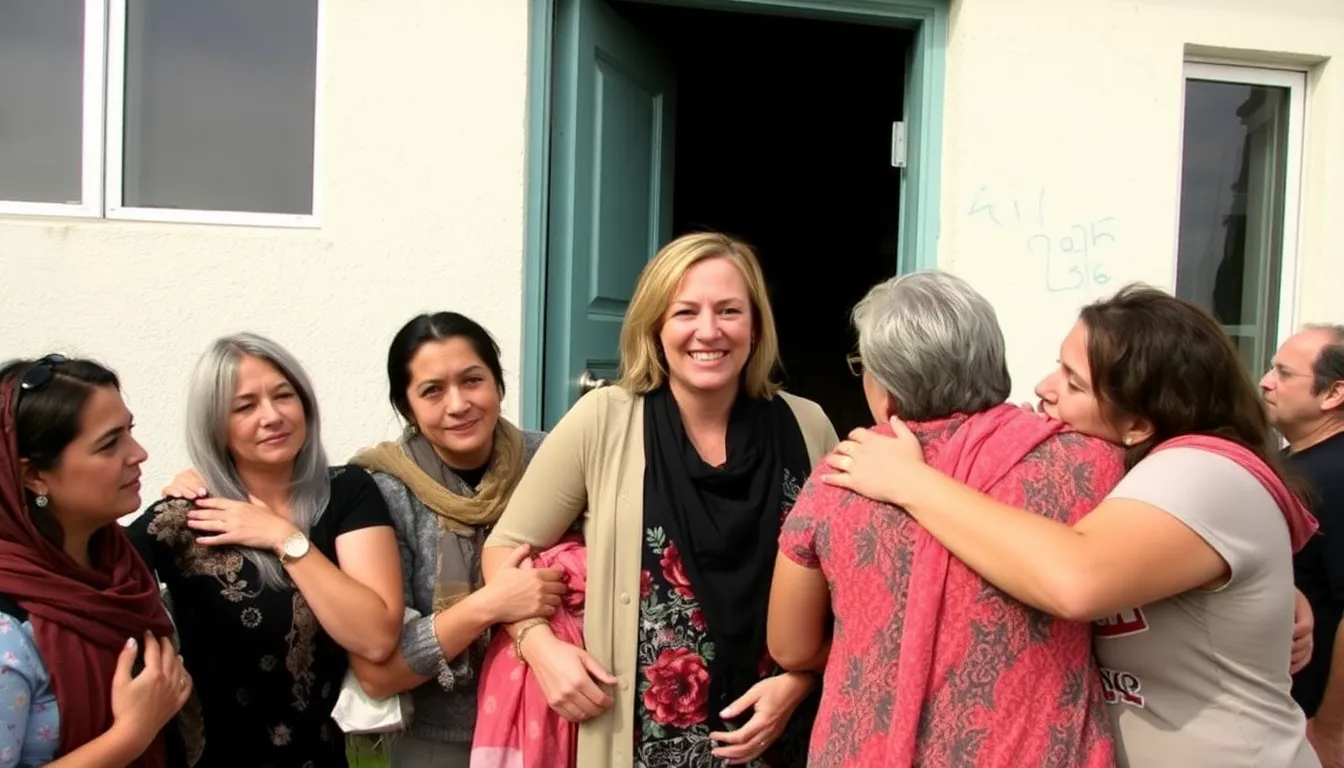
Examining the implications of Kittleson’s case on journalist safety
The abduction and subsequent release of Shelly Kittleson, an American journalist in Iraq, brings to light the precarious conditions under which journalists operate in conflict zones. This incident highlights the risks faced by media professionals and raises questions about the effectiveness of protective measures in place. Various stakeholders, including governments, media organizations, and local communities, have vested interests in the safety and freedom of journalists.
Key actors in this scenario include the U.S. government, which has a responsibility to protect its citizens abroad; the Iraqi government, which is tasked with ensuring safety and security within its borders; and media organizations that advocate for the rights and safety of their journalists. Each of these entities has different priorities, leading to potential conflicts and trade-offs in addressing the issue of journalist safety.
- U.S. Government: Interested in the safety of American citizens and maintaining its image abroad, especially in regions with high risks.
- Iraqi Government: Aims to stabilize the country and improve international relations, while also managing local security challenges.
- Media Organizations: Focused on advocating for press freedom and the protection of journalists, often pushing for stronger measures against violence in the field.
- Local Communities: May have mixed feelings about foreign journalists, balancing the benefits of international attention against potential risks to their safety.
Legal and economic issues also play a significant role in this analysis. The legal frameworks governing the protection of journalists vary widely between countries, complicating the enforcement of safety measures. Additionally, the economic implications of journalist safety are profound; the risk of abduction can deter journalists from covering critical stories, ultimately affecting the flow of information and public discourse.
Overall, Kittleson’s case serves as a reminder of the ongoing challenges faced by journalists worldwide. It underscores the need for a coordinated effort among all stakeholders to enhance safety protocols, promote press freedom, and ensure that journalists can operate without fear of violence or abduction, similar to the concerns raised in the case of humanitarian efforts.
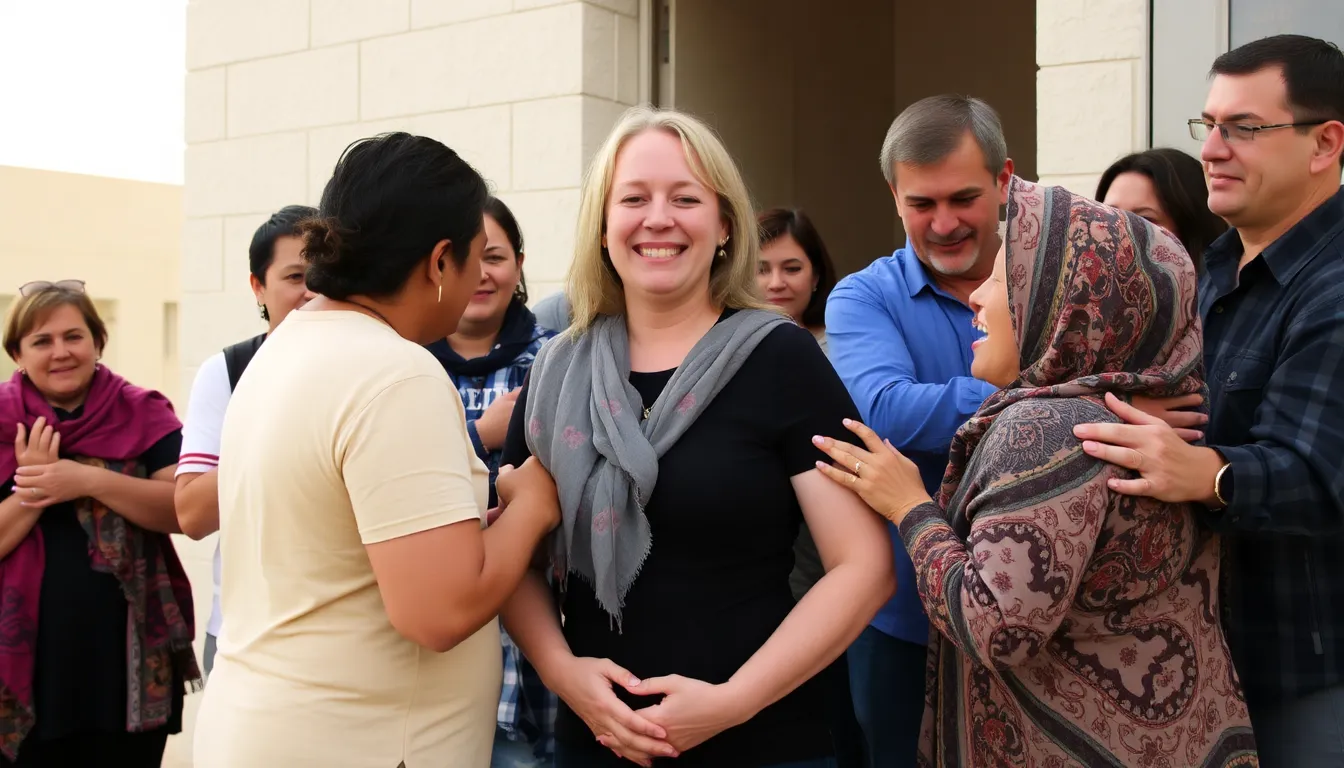
The broader impact of Kittleson’s abduction on media operations in Iraq
The abduction and subsequent release of American journalist Shelly Kittleson in Iraq have significant implications for various groups, particularly those involved in media and humanitarian efforts in the region. Journalists, local news agencies, and foreign correspondents are all affected as they navigate an increasingly perilous environment. The incident raises concerns about the safety of reporters operating in conflict zones and the potential for self-censorship as a response to heightened risks.
In the short term, media organizations may experience a chilling effect, leading to a decrease in on-the-ground reporting. This reduction in coverage can impact public awareness and understanding of the situation in Iraq, as fewer journalists may be willing to travel to the region. Additionally, local news agencies may struggle to maintain operations, facing increased pressure and scrutiny from both their governments and international bodies.
Mid-term impacts are likely to include a reevaluation of security protocols for journalists and a potential shift in how media organizations approach reporting in conflict zones. This could lead to greater investments in training and resources for safety measures, which may strain budgets. However, it may also foster collaboration among media outlets, NGOs, and security experts to develop better strategies for protecting journalists.
- Increased security measures: Media organizations may invest more in training and resources for journalist safety.
- Self-censorship: Journalists may limit their reporting to avoid risks, leading to less comprehensive coverage.
- Collaboration opportunities: Potential for partnerships between media and NGOs to enhance journalist safety.
- Public perception: The incident may shift how the public views the risks faced by journalists, increasing support for their work.
While the risks are significant, the situation also presents opportunities for advocacy and policy change. Increased attention to the dangers faced by journalists can galvanize support for protective measures and policies that prioritize press freedom. This heightened awareness may lead to stronger international coalitions advocating for the safety of journalists globally, ultimately benefiting the media landscape in Iraq and beyond.
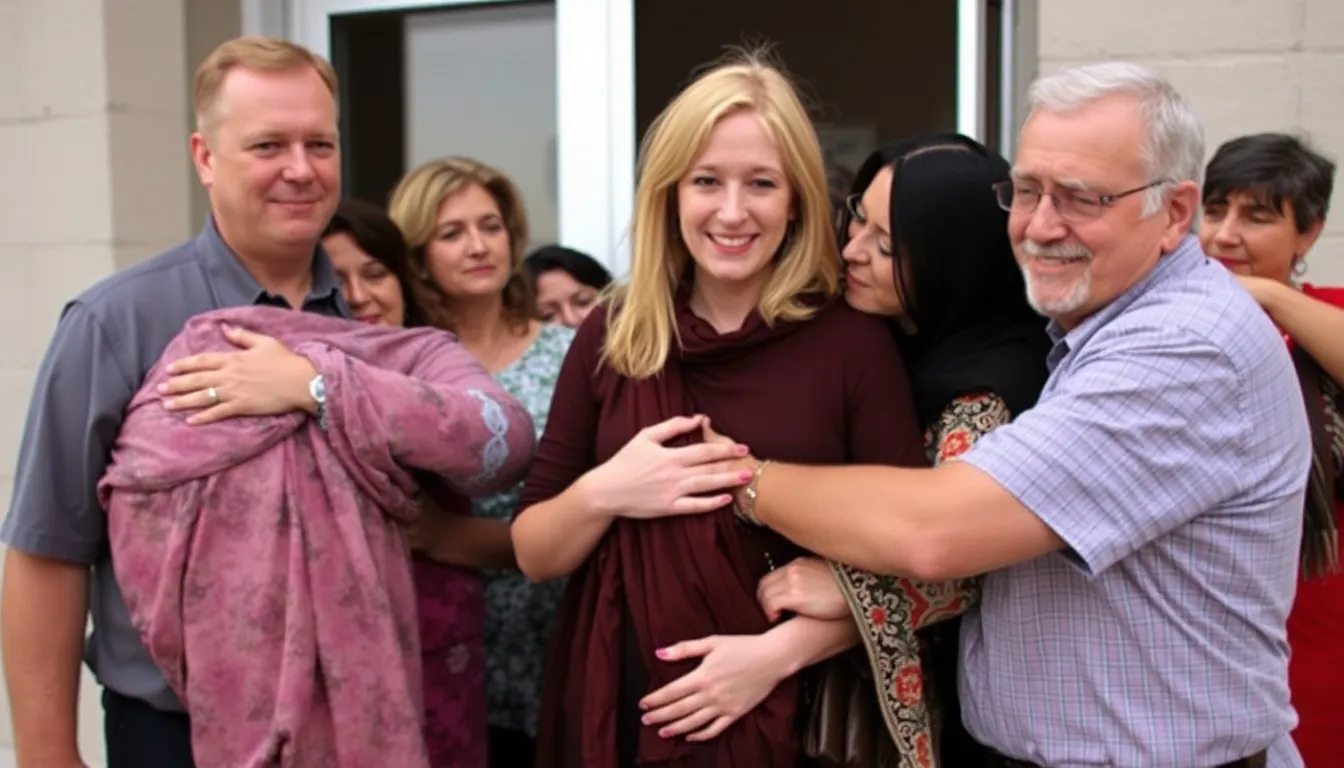
Frequently asked questions about Shelly Kittleson’s abduction
A: Shelly Kittleson, an American journalist, was abducted while reporting in Iraq but has since been freed. The details surrounding her release are still emerging.
A: Kittleson’s abduction raised serious concerns about the safety of journalists in Iraq, potentially leading to increased caution among media personnel operating in conflict zones.
A: Various organizations and governments implement safety protocols, including training, secure communication methods, and emergency response plans to protect journalists in conflict areas.
A: Yes, journalists in Iraq continue to face significant threats from various groups, making it a dangerous environment for reporting.
Key takeaways and future outlook on journalist safety
The recent abduction and subsequent release of Shelly Kittleson highlights the ongoing risks faced by journalists operating in conflict zones. Her experience serves as a stark reminder of the volatile environment in which media professionals work, underscoring the need for enhanced safety protocols and support systems. As the landscape of journalism continues to evolve, it is crucial to assess the implications of such incidents on both the safety of reporters and the broader media landscape.
Moving forward, the focus must be on fostering international collaboration to protect journalists, alongside advocating for policies that prioritize their safety. The situation in Iraq, while unique, reflects a global trend of increasing hostility towards the press, necessitating a unified response from governments, media organizations, and civil society.
- Increased Risk Awareness: Media organizations should implement comprehensive training programs for journalists operating in high-risk areas, emphasizing situational awareness and crisis management.
- Advocacy for Journalist Protection: There is a pressing need for advocacy groups to push for stronger legal protections for journalists, ensuring accountability for those who threaten their safety.
- Support Networks: Establishing robust support networks for journalists, including mental health resources and emergency response teams, can mitigate the impact of traumatic experiences.
- International Collaboration: Countries must work together to create frameworks that enhance the safety of journalists globally, recognizing the shared responsibility in safeguarding press freedom.
- Public Awareness Campaigns: Increasing public awareness about the challenges faced by journalists can foster greater appreciation for their role in democracy and support for their safety.