
This blend of talent aims to resonate with viewers looking for stories that not only entertain but also provoke thought about societal fears and the human condition, much like the film Harry Clark Goes to Rome.
Critics have noted that this revival aligns with a broader cultural fascination with true crime and real-life horror stories, similar to the recent buzz around Artemis II, which have gained immense popularity through various media platforms.
As horror continues to evolve, the current focus on realism may reshape industry standards and audience expectations. With box office numbers indicating a strong interest in these types of films, it is clear that the genre is undergoing a transformation that reflects contemporary societal anxieties.
Understanding the origins of Faces of Death
The 1978 film ‘Faces of Death’ emerged during a transformative period in cinematic history, marked by a growing fascination with horror and the macabre. This era saw filmmakers pushing boundaries, exploring themes that tapped into societal fears and the human condition. As the 1970s progressed, the horror genre began to shift from supernatural elements to more visceral and realistic portrayals of violence and death, reflecting the anxieties of a generation grappling with political upheaval and social change.
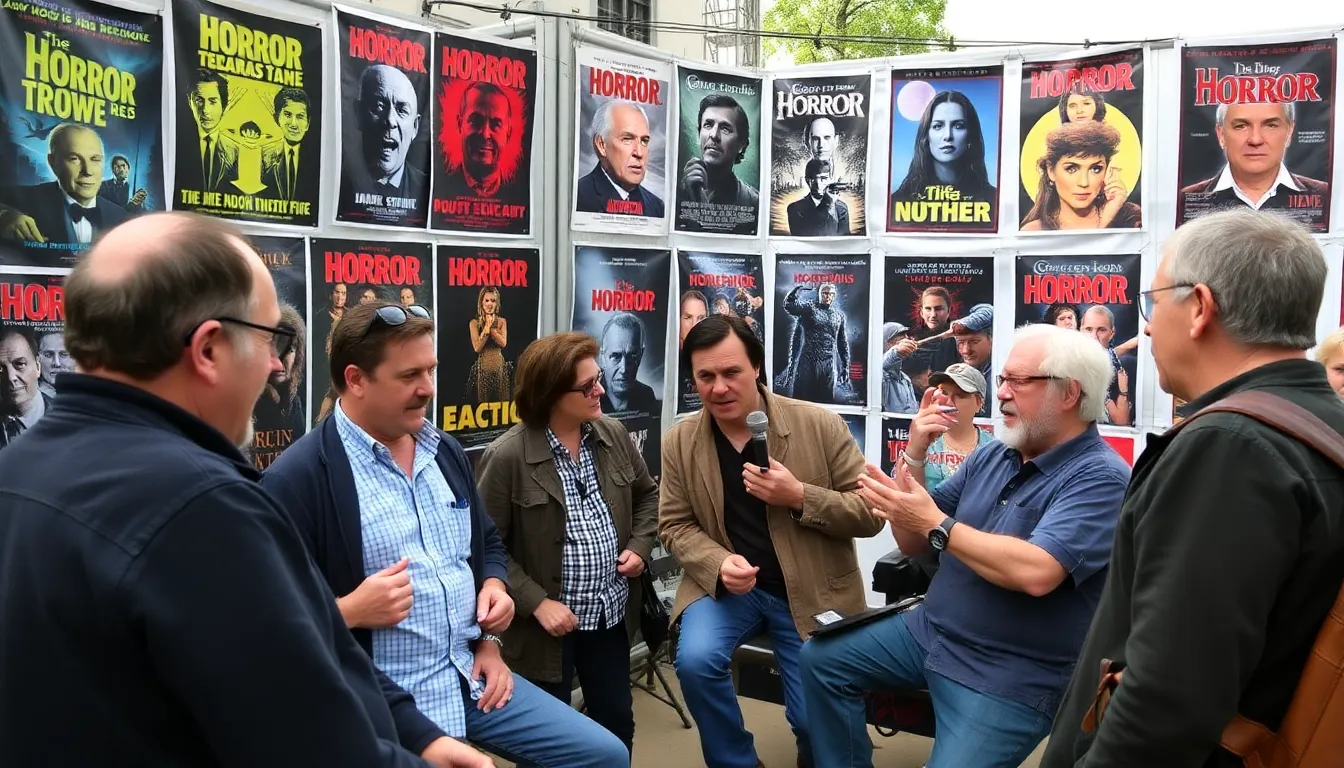
In the wake of the Vietnam War, the Watergate scandal, and rising crime rates, audiences were increasingly drawn to films that mirrored their tumultuous reality. ‘Faces of Death’ capitalized on this trend by presenting a controversial mix of staged and actual footage of death and dying, challenging viewers’ perceptions of what horror could entail. The film’s release coincided with the rise of the counterculture movement, which often rejected mainstream values and sought to confront uncomfortable truths about society.
Moreover, the economic landscape of the late 1970s played a significant role in the film’s creation. Independent filmmakers began to gain traction as the major studios were hesitant to invest in unconventional projects. ‘Faces of Death’ was produced on a relatively low budget, allowing it to bypass traditional distribution channels and appeal directly to a niche audience eager for something different. This shift in the industry paved the way for other low-budget horror films that would come to define the genre in the following decades.
The Impact of Home Video
This accessibility contributed to a burgeoning subculture that craved extreme content, which is reminiscent of the reception of films like Dude Where’s My Pie in their own unique contexts.
Ultimately, ‘Faces of Death’ serves as a historical artifact, encapsulating a moment when horror began to reflect the darker aspects of human existence more directly. Its legacy continues to influence contemporary horror films that seek to engage with the real fears and anxieties of society, showcasing the enduring appetite for narratives that confront the unsettling realities of life and death.
Key themes and controversies surrounding the film
The release of ‘Faces of Death’ has reignited discussions surrounding the portrayal of violence and death in cinema, especially within the horror genre. As audiences increasingly seek out films that reflect real-life horrors, this film taps into a growing appetite for authenticity in storytelling. However, this raises questions about the ethical implications of depicting such graphic content.

Key stakeholders in this discourse include filmmakers, audiences, and regulatory bodies. Filmmakers are driven by creative expression and the desire to push boundaries, while audiences may be drawn to the thrill of experiencing fear in a controlled environment. Regulatory bodies, on the other hand, face the challenge of balancing artistic freedom with the responsibility to protect viewers, particularly younger audiences.
- Filmmakers: Interested in creative expression and pushing genre boundaries.
- Audiences: Seeking authentic and immersive horror experiences.
- Regulatory bodies: Tasked with ensuring content is appropriate and does not incite real-world violence.
- Cultural critics: Concerned about the potential desensitization to violence.
- Streaming platforms: Evaluating the impact of such films on viewership and subscription rates.
Conflicts arise when filmmakers’ creative visions clash with societal norms and regulatory standards. The film’s graphic content may attract a niche audience but could alienate more mainstream viewers or attract backlash from advocacy groups. This trade-off between artistic intent and audience reception is a critical issue that filmmakers must navigate.
Moreover, the economic implications of producing and distributing such content cannot be ignored. While there is a market for extreme horror, the potential for controversy may deter traditional distributors. Independent filmmakers might find success in niche markets, but they also risk limited exposure and financial viability.
How Faces of Death has influenced contemporary horror audiences
The resurgence of interest in horror films that delve into the macabre and the unsettling has been significantly influenced by the cult classic ‘Faces of Death.’ This film has carved out a niche within the horror genre, attracting a diverse audience, including younger viewers who crave authenticity in their cinematic experiences. As a result, various groups, including filmmakers, distributors, and streaming platforms, are feeling the impact of this shift in viewer preferences.
In the short term, the popularity of ‘Faces of Death’ has led to an increase in the production of horror films that emphasize realism and gritty narratives. Independent filmmakers are particularly affected, as they find new opportunities to create content that resonates with audiences seeking raw and unfiltered storytelling. This trend may result in a surge of low-budget horror films that mimic the aesthetic and thematic elements of ‘Faces of Death.’
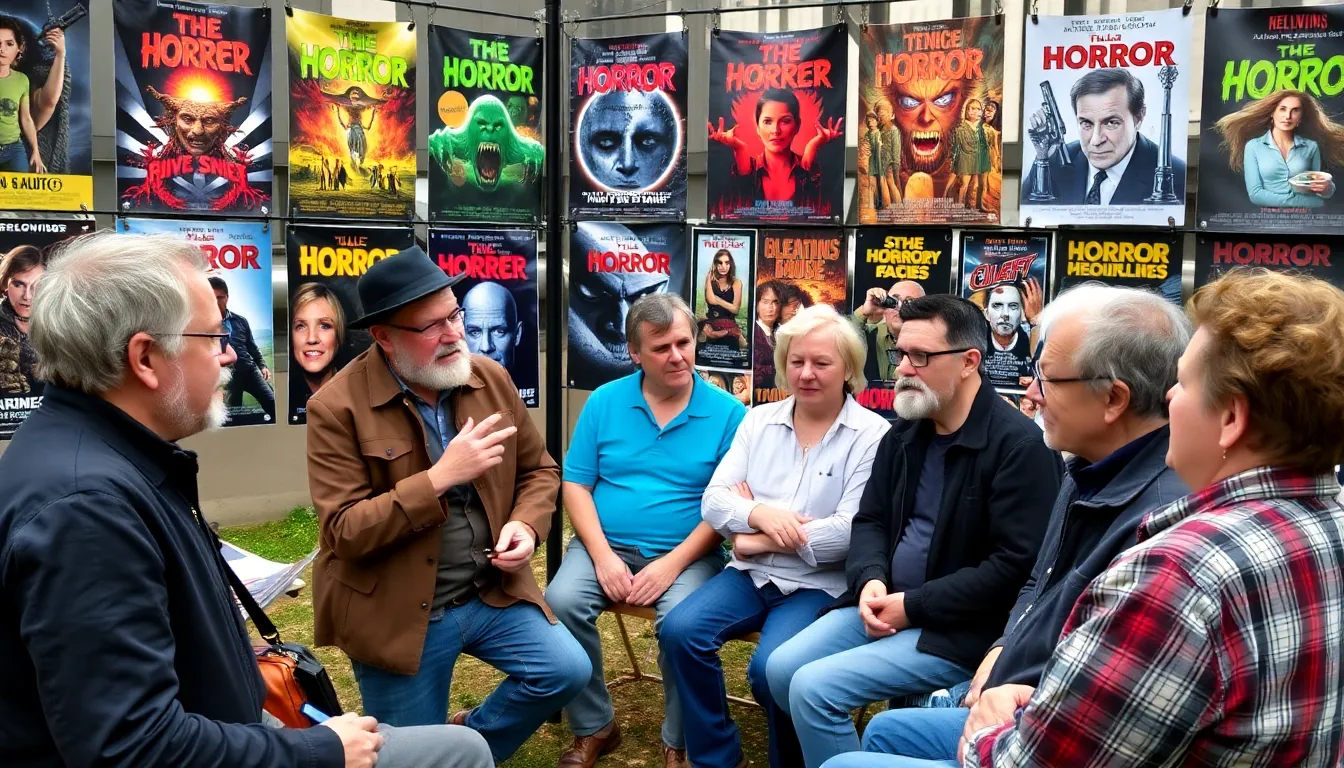
In the mid-term, the horror industry may see a shift in marketing strategies, with an emphasis on promoting films that highlight real-life horrors or psychological elements that evoke genuine fear. Traditional horror film studios could face challenges from emerging filmmakers who capitalize on this trend, potentially reshaping the competitive landscape of the genre.
- Risks: Increased desensitization to graphic content may lead to viewer fatigue, while established studios could struggle to adapt to changing audience preferences.
- Opportunities: New genres and sub-genres may emerge, fostering innovation in storytelling and attracting niche audiences.
- Policy Implications: Content regulation discussions may arise as films push boundaries, prompting debates over censorship and viewer discretion.
Regions with a strong film culture, such as Los Angeles and New York, are likely to see a greater influx of projects inspired by ‘Faces of Death.’ This could lead to a vibrant community of creators and audiences who are eager to explore the darker aspects of human experience through film. As the appetite for ‘real’ horror grows, the industry must navigate the fine line between artistic expression and ethical responsibility.
A: Faces of Death is a controversial film that presents a series of graphic and shocking sequences, purportedly showcasing real-life deaths and violent incidents. A: The film gained a cult following due to its provocative content and the debates it sparked about the ethics of depicting violence in media. A: Its raw and unfiltered approach to horror has inspired a new wave of filmmakers who seek to create more realistic and visceral experiences for audiences. A: No, the film contains graphic content and is not recommended for sensitive viewers or those who are uncomfortable with extreme violence. A: The film is available on various streaming platforms, but availability may vary based on your location.
Frequently asked questions about Faces of Death
The lasting legacy of Faces of Death in horror cinema
The revival of interest in ‘Faces of Death’ highlights a significant shift in audience preferences towards horror that feels more visceral and authentic. This trend suggests that contemporary viewers are increasingly drawn to narratives that blur the lines between reality and fiction, seeking experiences that provoke genuine emotional responses. As filmmakers continue to explore themes of mortality and societal fears, the impact of this cult classic will likely resonate in future horror projects.
Furthermore, the film’s controversial nature serves as a reminder of the power of shock value in storytelling. As the genre evolves, it is essential for creators to navigate the fine line between entertainment and exploitation, ensuring that their work engages audiences without crossing ethical boundaries. The dialogue surrounding ‘Faces of Death’ may inspire a new wave of horror that embraces realism while challenging viewers to confront their fears.
- Increased demand for authentic horror: Audiences are gravitating towards films that offer a more realistic portrayal of fear and death.
- Impact on future horror narratives: Expect a rise in projects that blend documentary-style elements with traditional horror tropes.
- Ethical considerations in storytelling: Filmmakers will need to balance shock value with responsible content creation.
- Potential for discussion: The film’s themes may spark conversations about societal attitudes towards violence and mortality.
- Influence on marketing strategies: Marketing campaigns may increasingly highlight the ‘realness’ of horror films to attract audiences.