
The Current Status of the Iconic Quote
The phrase “A succulent Chinese meal” has recently gained renewed attention as it has been officially recognized and preserved in the National Film and Sound Archive of Australia. This recognition highlights the cultural significance of the quote, which originated from a 1991 television interview featuring a man named Paul Charles Dozsa, who became an internet sensation due to his humorous and memorable remarks during a police encounter.
As of October 2023, the quote has transcended its original context, becoming a part of Australian pop culture. Its inclusion in the national archive not only immortalizes the moment but also serves as a reminder of the power of media to shape collective memory and identity. The phrase has been embraced by various generations, often referenced in memes and social media posts.
The decision to archive this quote reflects a broader effort to preserve unique aspects of Australian culture and history. The National Film and Sound Archive aims to document significant moments that resonate with the public, ensuring that future generations can appreciate the humor and relatability found in everyday interactions. This initiative underscores the importance of preserving cultural artifacts that may otherwise be forgotten.
Moreover, the revival of interest in this iconic phrase has sparked discussions about the role of humor in society and its ability to connect people across different backgrounds. As Australians reflect on this humorous encounter, it serves as a reminder of the lighter side of life and the shared experiences that unite them, even in challenging times.
Understanding the Background of the Quote
The phrase “A succulent Chinese meal” has become an iconic part of Australian pop culture, stemming from a 1990s television interview that captured a humorous exchange between a police officer and a Chinese restaurant owner. This moment, which was part of a broader discussion about a police raid, quickly resonated with the public for its comedic timing and the absurdity of the situation. The phrase has since been embraced by Australians as a representation of the quirky and often humorous nature of everyday life in the country.

The quote gained further prominence when it was included in the National Film and Sound Archive of Australia, which preserves significant audiovisual works that contribute to the nation’s cultural heritage. By archiving this moment, the institution recognized the impact of the phrase on Australian identity and the way it encapsulates a particular moment in time, reflecting the social dynamics and multicultural fabric of Australia during the late 20th century.
Social and Cultural Significance
At the time of the interview, Australia was experiencing significant changes in its demographic landscape, with an increasing number of immigrants contributing to the nation’s cultural diversity. The humorous portrayal of a Chinese restaurant owner in the quote highlights both the challenges and the richness of multicultural interactions in Australia. As the nation grappled with issues of identity, belonging, and acceptance, this quote served as a lighthearted reminder of the everyday encounters that could bridge cultural divides.
Moreover, the phrase has been adopted in various forms of media and continues to be referenced in popular culture, illustrating how a single moment can transcend its original context to become a part of the national lexicon. The enduring popularity of “A succulent Chinese meal” reflects not only the comedic value of the incident but also its role in shaping a collective memory that resonates with Australians across generations.
Analyzing the Cultural Significance and Stakeholders
The phrase “A succulent Chinese meal” has transcended its origins to become a significant part of Australian pop culture, primarily due to its association with a viral video that captured a police encounter. This moment has not only entertained audiences but also sparked discussions on various social issues. Key stakeholders in this phenomenon include the Australian public, cultural commentators, media organizations, and local government entities.
The Australian public represents a diverse group with varying interests in the quote’s cultural relevance. For many, it serves as a humorous reminder of a specific moment in time, while others see it as a reflection of broader societal attitudes towards law enforcement and authority. Cultural commentators and social media influencers play a pivotal role in shaping public perception, often highlighting the quote’s humorous aspects while also critiquing the underlying themes of power dynamics and societal norms.

Media organizations have a vested interest in the continued popularity of the quote, as it drives engagement and viewership. The way in which they frame discussions around the phrase can influence public sentiment and contribute to ongoing dialogues about Australian identity and humor. Furthermore, local government entities may find themselves in a unique position, as they navigate the implications of public sentiment and the portrayal of law enforcement in media.
- Public Interest: The quote resonates with various demographics, reflecting a shared cultural experience.
- Media Representation: The portrayal of the incident in different media outlets can shape public understanding and sentiment.
- Legal Implications: Discussions around the quote may highlight issues related to police conduct and accountability.
- Cultural Identity: The phrase contributes to the ongoing conversation about what it means to be Australian in contemporary society.
- Social Commentary: The humor derived from the quote often serves as a lens through which to critique societal norms and authority.
Impact on Australian Culture and Cinema
The immortalization of the phrase “A succulent Chinese meal” in the national film archive resonates deeply within various segments of Australian society. Primarily, it affects the film and entertainment industry, where iconic quotes from Australian cinema contribute to cultural identity and heritage. This recognition not only honors the original work but also inspires filmmakers and actors to explore uniquely Australian narratives.
Moreover, the quote’s inclusion in the national archive impacts educational institutions, particularly those focused on media studies and cultural history. Students and educators can utilize this reference to discuss the evolution of Australian cinema and its role in shaping societal values. The short-term effects may lead to an increased interest in film studies programs, while mid-term impacts could see a rise in projects celebrating Australian culture.
Local businesses, particularly those in the hospitality and tourism sectors, may also experience a ripple effect. As the quote gains renewed attention, themed events or promotions centered around Australian cinema could attract more visitors. This presents an opportunity for restaurants and cafes to create unique dining experiences inspired by the quote, potentially boosting their revenue.

- Film and entertainment industry may see a rise in culturally themed projects.
- Educational institutions could experience increased enrollment in media studies.
- Local businesses may capitalize on themed events, enhancing customer engagement.
- Tourism may benefit from increased interest in Australian cultural landmarks.
However, there are risks associated with this renewed focus on iconic quotes. Misinterpretation or commercialization of the phrase could dilute its original meaning and significance. Furthermore, there is a chance that the emphasis on nostalgia may overshadow contemporary Australian works, potentially stifling innovation in the film industry. Balancing homage with forward-thinking creativity will be crucial for sustaining the momentum generated by this cultural milestone.
A: The quote originated from a famous scene in the Australian film ‘The Castle’, where it humorously highlights the character’s love for food. It has since become a cultural touchstone. A: The quote embodies a sense of humor and identity that resonates with many Australians. It reflects the laid-back lifestyle and appreciation for good food. A: The quote was preserved as part of the national film archive’s efforts to maintain significant Australian cultural artifacts, ensuring future generations can appreciate its context. A: Yes, there are several iconic quotes from Australian cinema that have become part of the national conversation, reflecting the unique cultural landscape of the country. A: The public has generally reacted positively, celebrating the quote as a beloved part of Australian film history and sharing it widely across social media.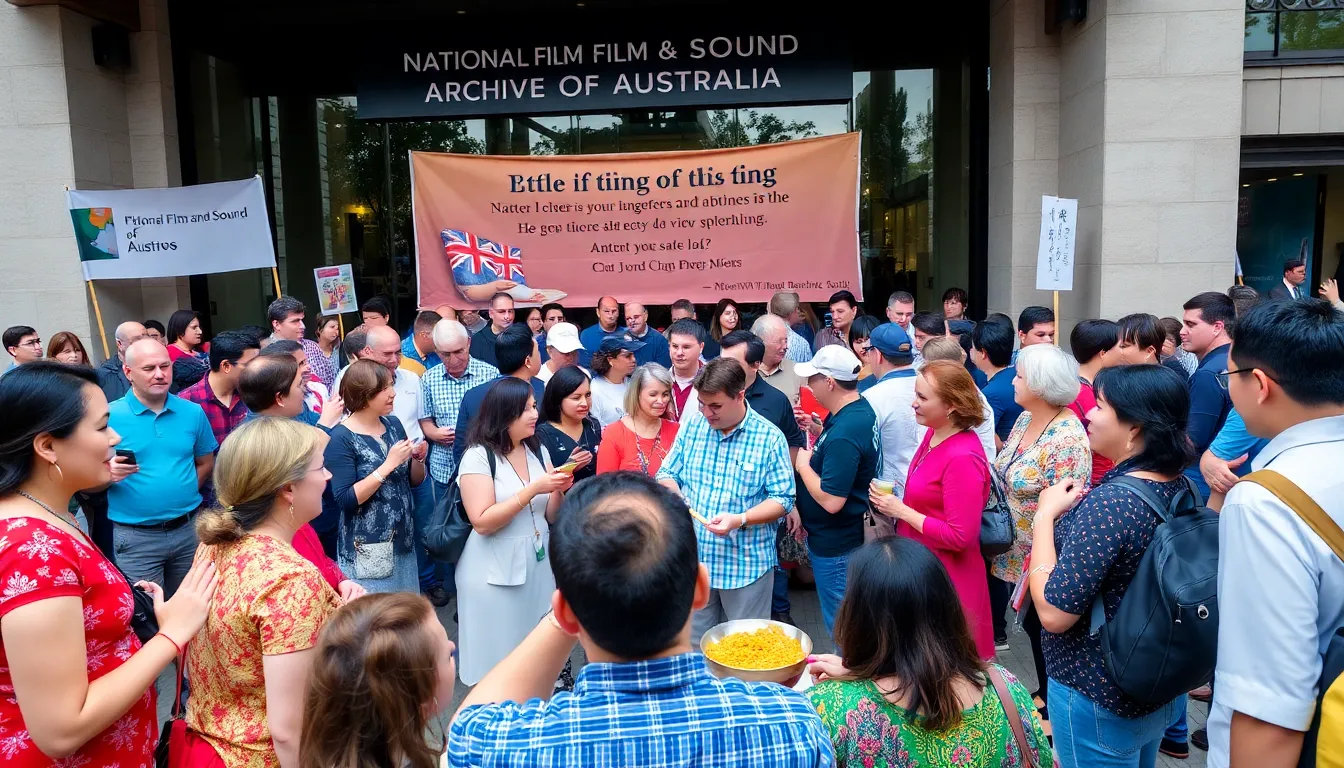
Frequently Asked Questions about the Quote
Key Takeaways and Future Outlook
The phrase “A succulent Chinese meal” has transcended its origins, becoming a cultural touchstone that reflects the unique blend of humor and identity in Australian society. Its inclusion in the national film archive highlights the importance of preserving such expressions as part of the national narrative. As we move forward, the impact of this iconic quote on popular culture and social discourse may continue to evolve, prompting discussions about the representation of Australian identity in media.
Observing the ongoing relevance of this phrase in contemporary conversations can provide insight into the broader themes of cultural humor and national pride. Additionally, the way this quote is embraced in various contexts may serve as a lens through which to examine the changing dynamics of Australian society.
- The enduring popularity of the quote indicates a strong connection to Australian humor and cultural identity.
- Future media projects may draw inspiration from such iconic phrases, reinforcing their significance in storytelling.
- Monitoring social media trends could reveal how younger generations reinterpret or engage with classic cultural references.
- Public discussions around the quote may highlight shifts in societal values and attitudes towards humor in Australia.