
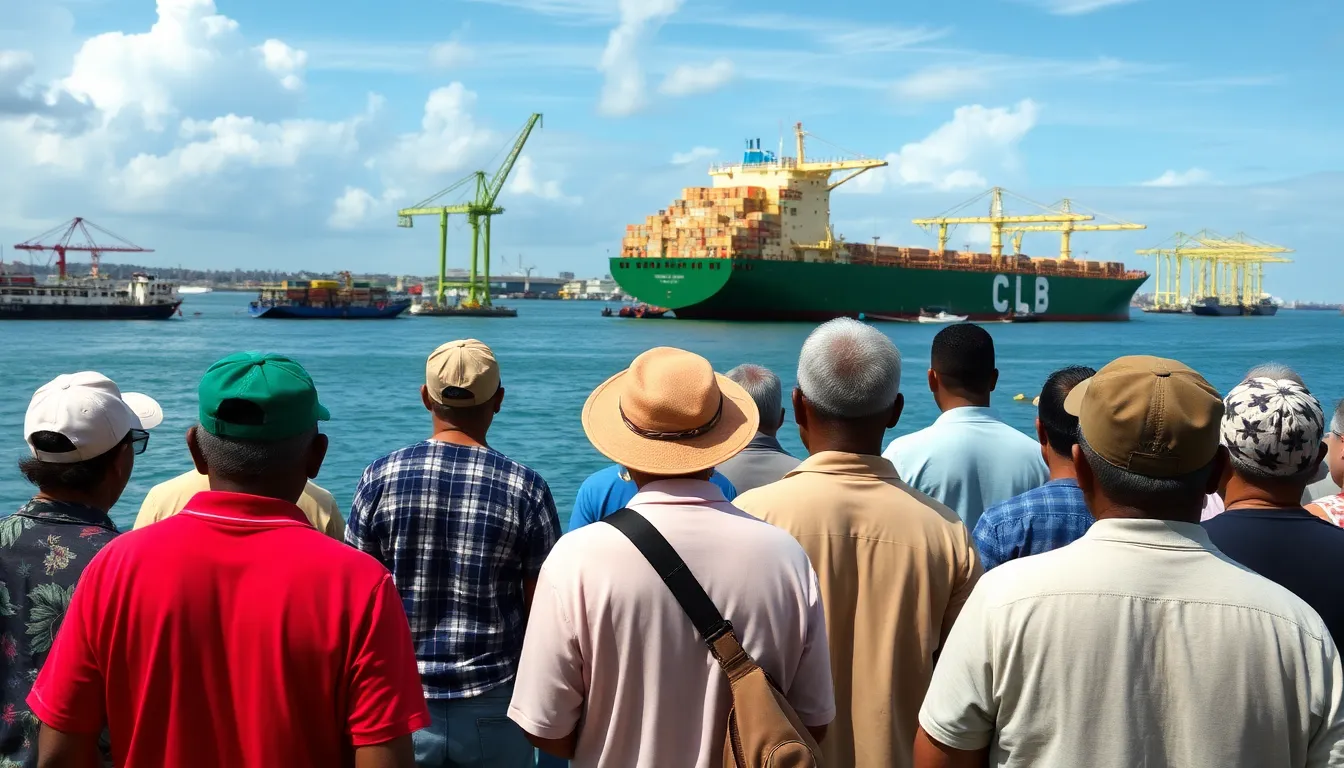
Notably, the arrival of tankers carrying crude oil from countries like Venezuela has been a focal point for analysts. In October 2023, several shipments were recorded, suggesting an increase in energy supplies that could stabilize Cuba’s struggling economy. This development has led many to speculate whether these deliveries are part of a broader strategy to strengthen ties with the U.S. or simply a response to immediate energy needs. For more insights on global oil markets, check out our article on oil stocks and gas prices.
The context of these oil movements is further complicated by the geopolitical landscape. The U.S. has maintained an economic embargo against Cuba for decades, but recent signals from Washington have hinted at a willingness to engage in dialogue. Analysts believe that any easing of restrictions could hinge on Cuba’s ability to navigate its energy dependencies and improve its economic situation.
As the situation evolves, both governments are likely to be watching each other’s actions closely. The implications of these oil tanker movements extend beyond mere logistics; they could represent a pivotal moment in U.S.-Cuban relations, with potential ramifications for regional stability and economic recovery in Cuba. Understanding this dynamic is crucial when examining how geopolitical shifts influence nations, a topic we delve into in our piece on Cuba’s socio-economic challenges.
Understanding the historical context of US-Cuba relations
The relationship between the United States and Cuba has been fraught with tension and conflict since the late 19th century. Following the Spanish-American War in 1898, Cuba gained independence but quickly fell under the influence of the U.S. government. The Platt Amendment of 1901 allowed the U.S. to intervene in Cuban affairs and established a naval base at Guantanamo Bay, setting the stage for a complex and often adversarial relationship.
The Cuban Revolution in 1959 marked a significant turning point, as Fidel Castro’s government aligned itself with the Soviet Union, leading to the Cold War’s ideological battle in the Caribbean. The U.S. responded with economic sanctions, the Bay of Pigs invasion in 1961, and the Cuban Missile Crisis in 1962, which brought the two nations to the brink of nuclear war. These events solidified a long-standing embargo that has persisted for decades, severely impacting Cuba’s economy and its citizens’ quality of life.
In the years following the Cold War, attempts at dialogue and normalization of relations were sporadic. The 1990s saw the introduction of the Cuban Liberty and Democratic Solidarity Act, which tightened sanctions further. However, the Obama administration made significant strides toward reconciliation, easing some restrictions and re-establishing diplomatic ties in 2015. This thaw in relations allowed for increased travel and trade, as well as a more open dialogue between the two nations. For further information on the historical context of U.S.-Cuban relations, check our article detailing the impacts of these changes on various sectors.
Recent Developments and Oil Tanker Diplomacy
Despite the progress made during the Obama era, the Trump administration rolled back many of these policies, reinstating stricter sanctions and limiting travel. Recently, however, there have been indications that both nations may be seeking to re-engage, particularly in the context of oil tanker diplomacy. This approach has emerged as a potential means for Cuba to secure much-needed fuel supplies while exploring the possibility of renewed talks with the U.S. The evolving geopolitical landscape, including shifts in energy politics and the impact of the COVID-19 pandemic, has prompted renewed interest in finding common ground.
Key stakeholders and issues in the current diplomatic landscape
The ongoing discussions surrounding oil tanker diplomacy between Cuba and the United States involve a complex web of stakeholders, each with distinct interests and concerns. At the forefront are the Cuban government, U.S. policymakers, and various international oil companies that have vested interests in the region’s energy resources.
The Cuban government, led by President Miguel Díaz-Canel, seeks to alleviate economic hardships exacerbated by U.S. sanctions. Access to U.S. oil supplies and investment could significantly boost the Cuban economy, providing much-needed relief for its citizens. Additionally, the Cuban regime aims to showcase progress in diplomatic relations to strengthen its domestic legitimacy.
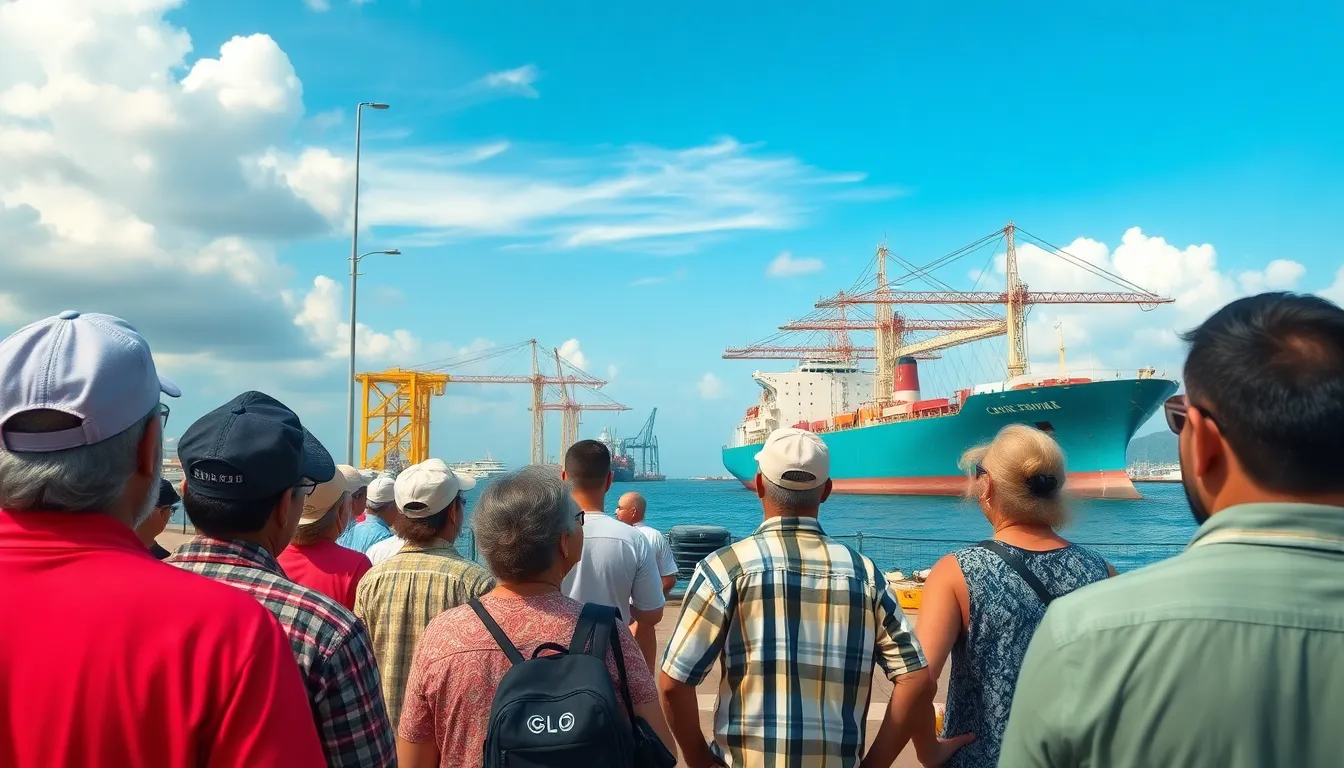
On the U.S. side, the Biden administration is navigating the delicate balance of supporting democratic reforms in Cuba while also considering the geopolitical implications of energy supply chains. Key U.S. stakeholders include the Department of State, which is focused on human rights issues, and the Department of Energy, which may see potential benefits in energy cooperation.
- Economic Interests: Both nations stand to gain economically through potential oil trade agreements, yet they must navigate the complexities of existing sanctions.
- Political Dynamics: The U.S. faces internal pressure regarding its Cuba policy, with some advocating for engagement and others pushing for a tougher stance.
- Legal Challenges: Any agreements made could be complicated by existing U.S. laws governing trade with Cuba, particularly the Helms-Burton Act.
- International Relations: The involvement of other countries, particularly those opposed to U.S. sanctions, could influence the outcome of these discussions.
As the situation evolves, the interplay of these interests will be crucial in determining the future of U.S.-Cuba relations, particularly in the energy sector. Stakeholders must carefully consider the implications of their actions, as missteps could lead to escalated tensions or missed opportunities for collaboration.
How oil tanker diplomacy affects Cuban citizens and the economy
The ongoing oil tanker diplomacy between Cuba and the United States has significant implications for various groups within Cuban society. The most directly affected are the citizens who rely on stable energy supplies for their daily lives. The oil industry, which is crucial to Cuba’s economy, is also in the spotlight as these diplomatic efforts unfold.
In the short term, the potential for increased oil imports from the U.S. could lead to more reliable energy access for households and businesses. This could result in improved daily life for Cubans, who often face power outages and fuel shortages. Additionally, the transportation and hospitality sectors may experience a boost as energy stability fosters economic activity.
However, there are risks associated with this diplomacy. Should negotiations falter, Cuba may face heightened energy insecurity, exacerbating existing economic challenges. Furthermore, reliance on U.S. oil imports could create vulnerabilities, making the Cuban economy susceptible to fluctuations in U.S. policy and market conditions.
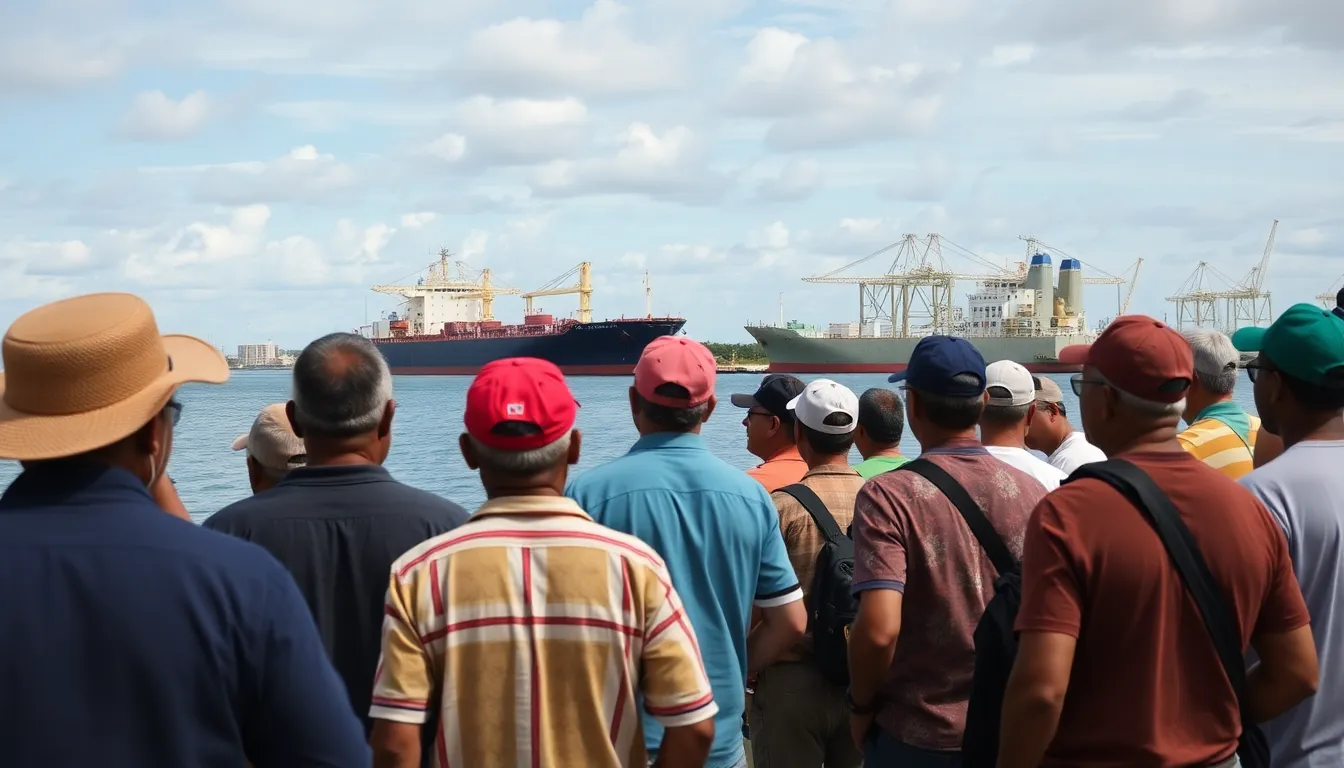
In the mid-term, successful negotiations could pave the way for broader economic reforms and increased foreign investment, particularly in the energy sector. This could lead to job creation and improved infrastructure. Conversely, if the talks do not yield positive outcomes, stagnation in economic growth may ensue, impacting employment and public services.
- Short-term impacts: Improved energy access, enhanced business operations, and increased tourism.
- Mid-term impacts: Potential for economic reforms, job creation, or stagnation and economic challenges.
- Risks: Energy insecurity, dependency on U.S. oil, and vulnerability to policy changes.
- Opportunities: Foreign investment, infrastructure development, and stronger bilateral relations.
A: Oil tanker diplomacy refers to the strategic use of oil shipments to influence diplomatic relations. In the context of Cuba, it involves monitoring shipments to gauge the US’s intentions. A: Cubans see oil tanker movements as potential indicators of progress in negotiations with the US, which could impact their economy and daily lives. A: Improved relations could lead to economic benefits for Cuba, including increased trade and investment, which would significantly impact the local population. A: The US is cautiously optimistic about potential diplomatic breakthroughs, but remains focused on human rights and political reforms in Cuba. A: Recent reports suggest that backchannel communications have been ongoing, with both sides exploring areas of mutual interest.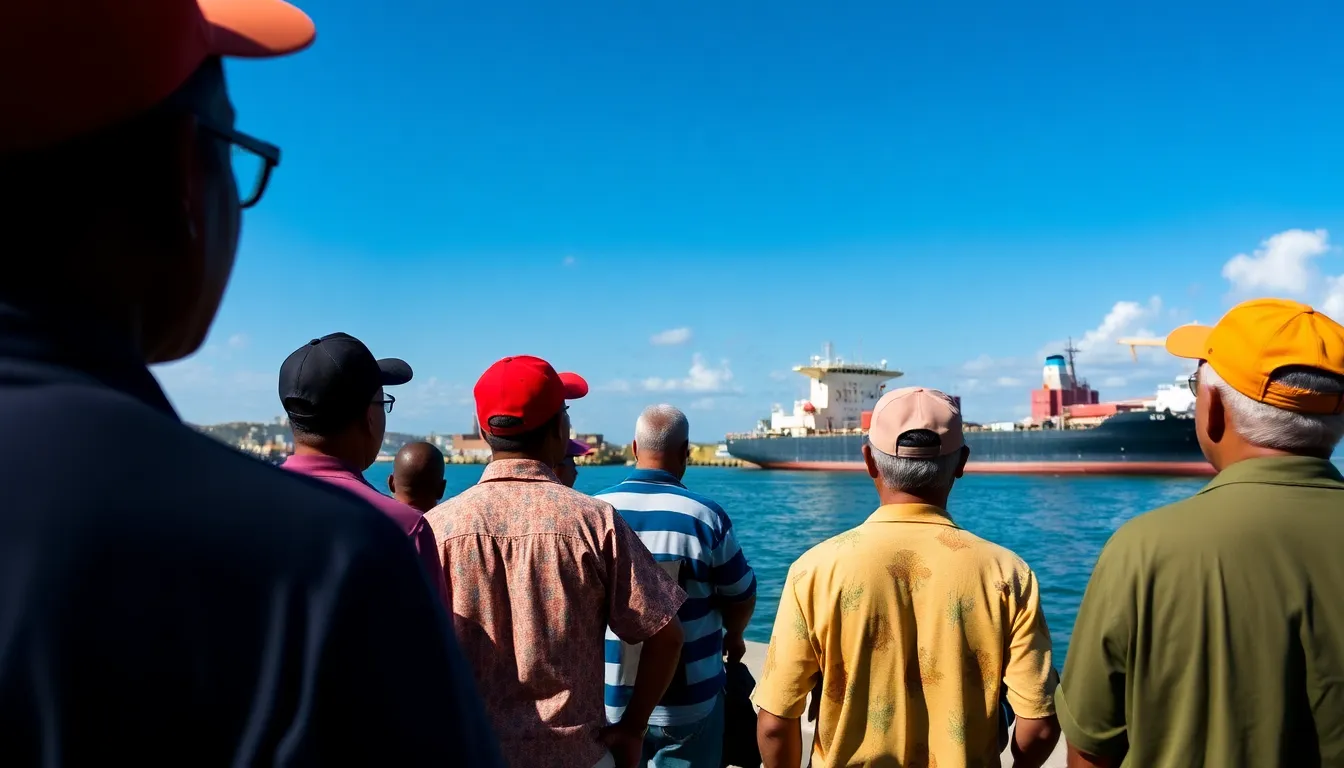
Frequently asked questions about US-Cuba oil diplomacy
Future outlook on US-Cuba relations and diplomatic efforts
The recent developments surrounding oil tanker diplomacy highlight a critical phase in US-Cuba relations, suggesting a potential thaw in long-standing tensions. Observers are keenly watching these interactions for indications of progress in secret talks, which could lead to a more stable and cooperative relationship between the two nations. As both countries navigate their complex histories, the outcomes of these discussions may reshape economic and political landscapes in the region.
Key factors to monitor include the response of the US administration to Cuba’s overtures, the impact of external geopolitical influences, and the domestic reception of any agreements that may arise. The evolving dynamics could signal a shift not only in bilateral relations but also in broader regional cooperation.
- Watch for official statements from both governments that may indicate a willingness to engage in more transparent negotiations.
- Monitor the role of third-party nations and organizations that could facilitate or hinder diplomatic efforts.
- Observe economic indicators in Cuba as potential changes in US policy could lead to increased investment and trade opportunities.
- Pay attention to public sentiment in both countries, as domestic pressures may influence the pace and direction of negotiations.